
It is monsoonal in the early morning. My mother drives me to the local airport and I am joined by two friends at the old departures hall.
The El Trompillo Airport seems to have seen better days and a leak in the roof has been ducked taped and contained in a yellow bucket right in the middle of the hall. Two windows are covered in plywood and a light flicks and buzzes like a noisy cricket from inside the gate totem.
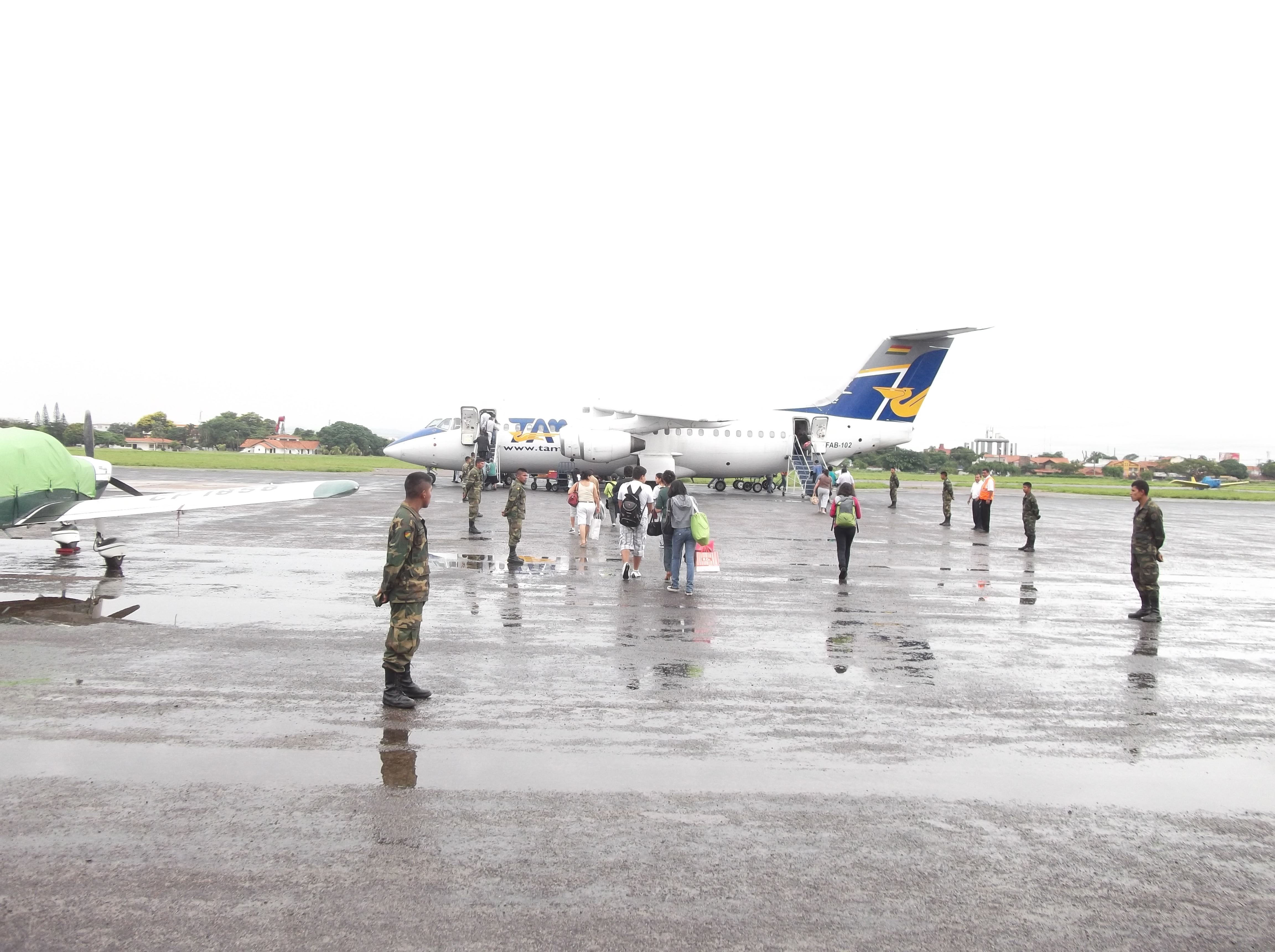
Delayed due to weather for two hours, we finally board the aircraft surrounded by a military line up and the fragile British Aerospace 146 rockets up West to make up for lost time.
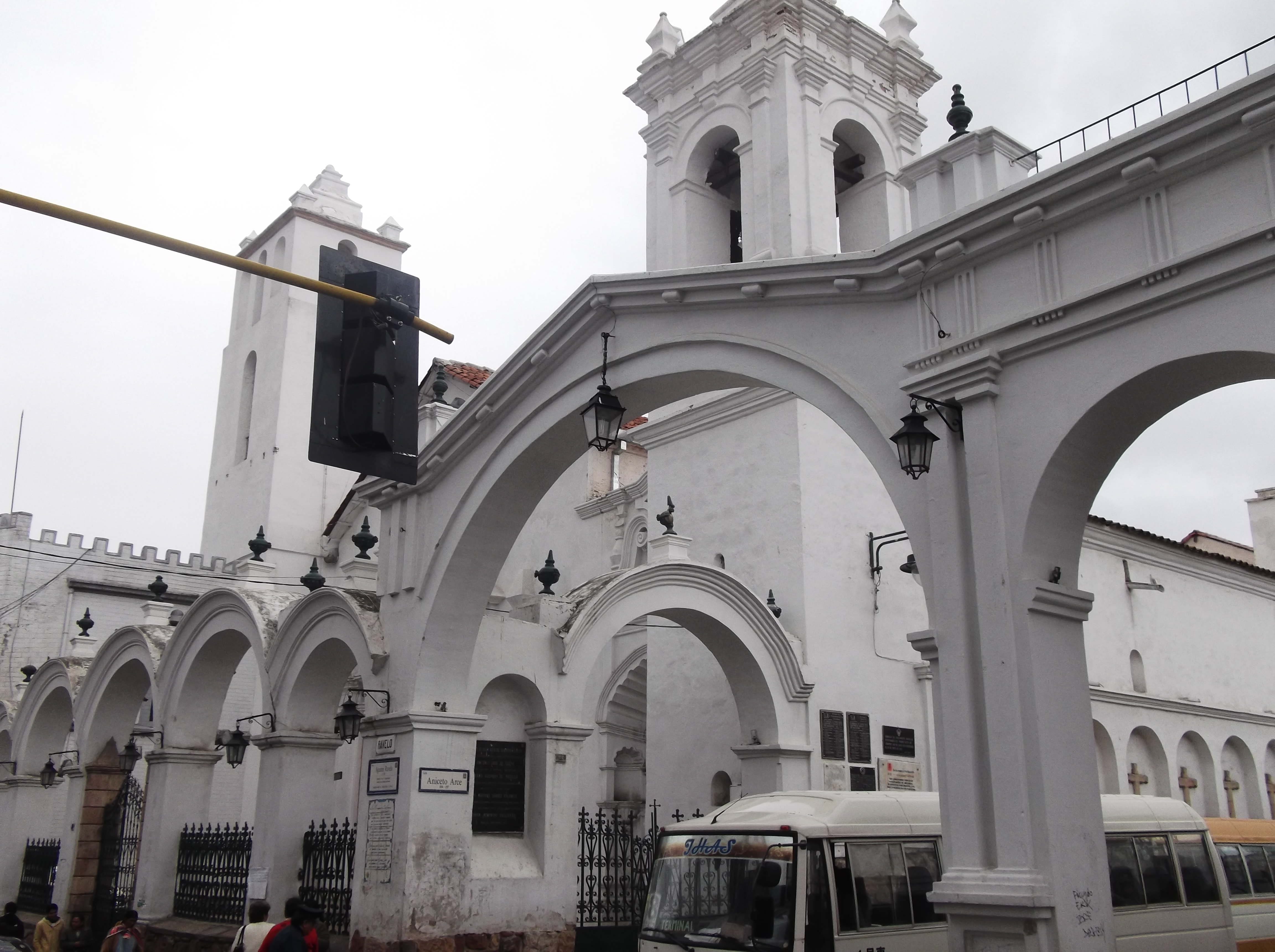
For forty five minutes, the 80-seaters rocks up and down sideways until a sea of colonial red tiled roofs emerge from the thick haze and the aircraft performs a sharp U-turn for one of the most challenging final approaches in the world. Outside, everything seems to happen in a second, the houses and mountains dangerously close to the wingtips, the undercarriages bobbing from underneath as we use almost double the speed at sea level to land on a runway that it resembles more like a deep cut in a mountain. Brakes are slammed on touchdown and everyone releases a long sigh, we have landed in Juana Azurduy Airport in Bolivia’s capital: Sucre.
Upon arrival, my friends and I take a local bus down the hill to the city centre and grab some lunch. With no time to lose, we head down steep streets of whitewashed walls and ceramic roofs clogged with traffic. Near the bus terminal, a cluster of white taxis call for customers. Faster and more comfortable than grabbing a bus at a tiny difference in price, we cram our backpacks in the small Toyota Corolla and climb up the Cordillera Real for a two-hour vertigo inducing trip to Potosi.
Outside the scratched window, the deep valleys carved by the Pilcomayo River roar with heavy pebbles and hide in between tall mountains that rise up to nearly five thousand meters above sea level. The car revs on sharp hairpin turns and overtakes on trucks once we reach the altiplano, the cold highland rich in minerals and poor in vegetation.
The air is thin and cold. Altitude sickness, you were not missed. I down a sorojchi pill made of caffeine and paracetamol with a coca leaf tea. The late afternoon sun draws colonial lines across walls made of stone and crumbly mortar and invites the cold highland air into the city, chilling skin and bones on its way despite being summer.
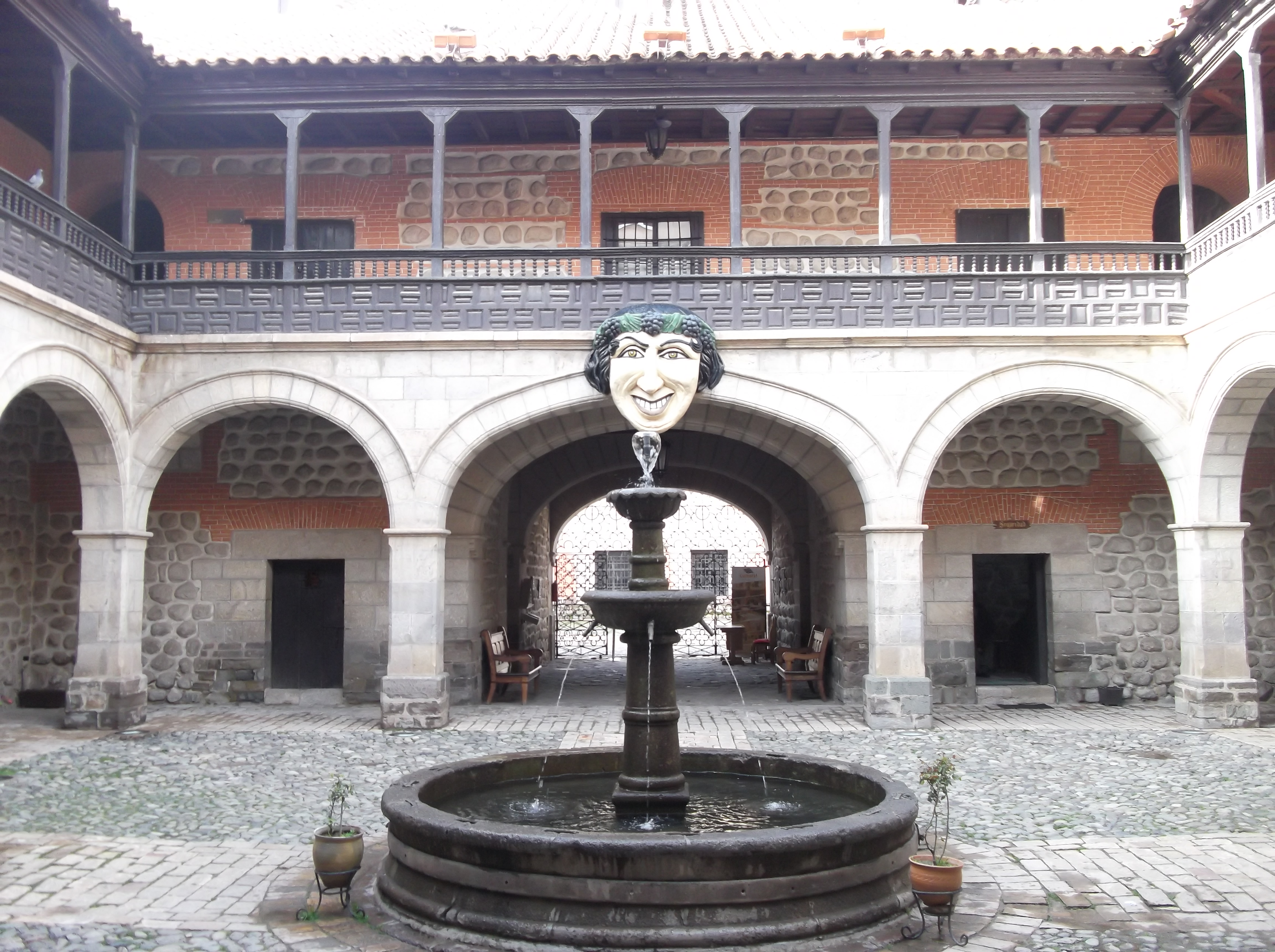
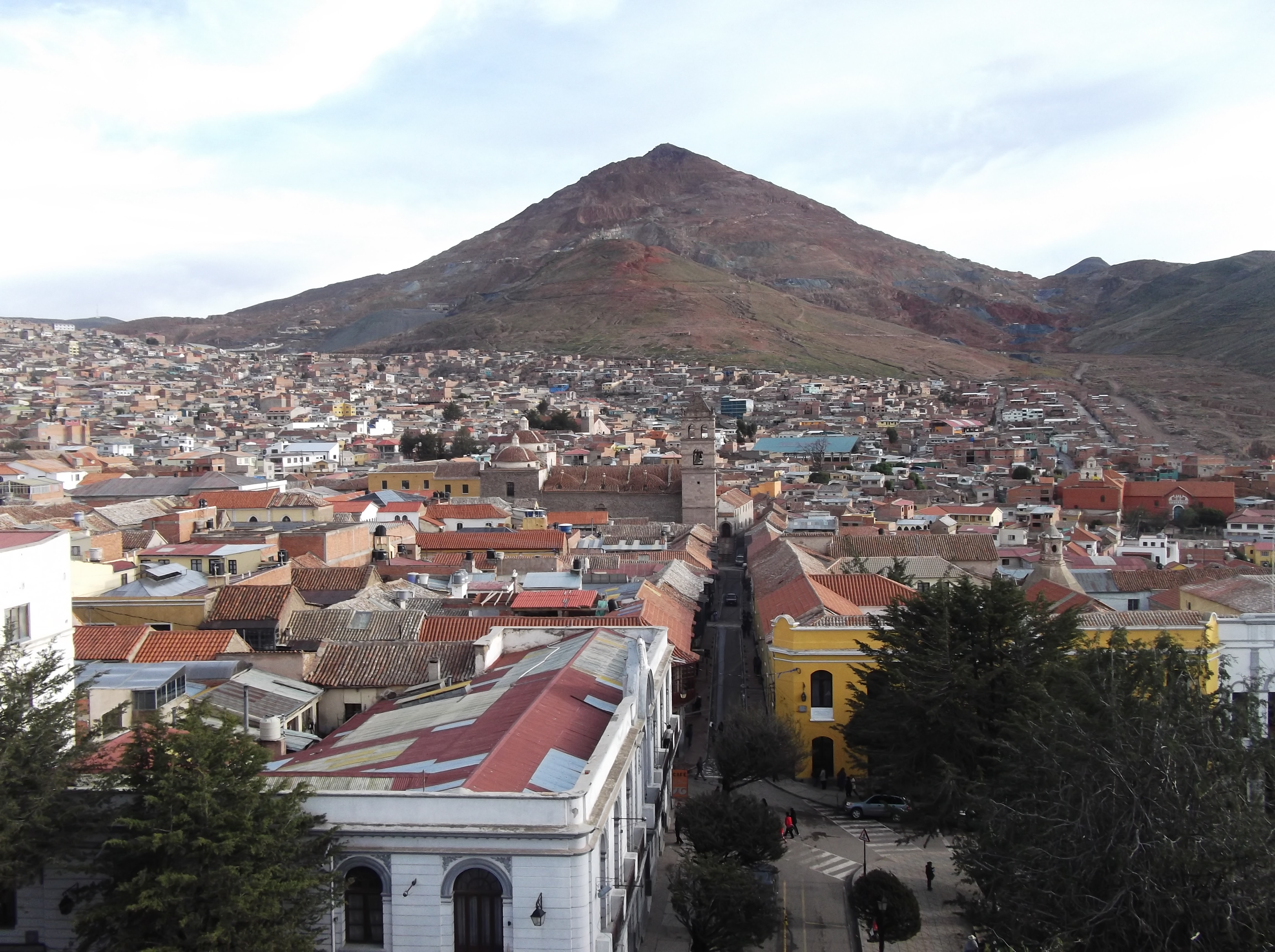
At Casa de la Moneda, the most photographed indigenous face smiles to a beautifully built colonial patio. It perhaps smiles at the memory of the once richer-than-London city, in a time in which the entrails of nearby Cerro Rico exchanged local human lives for silver coins exported to the Iberian Peninsula. If the Egyptians built pyramids to bury their dead, the neatly cone-shaped Cerro Rico became the best makeshift mausoleum of thousands of slaves past and present.
From the top of the main cathedral, a broken bell tower salutes a tapestry or ceramic tiled roofs that vanish in the nearby hills of shiny corrugated tin and mud huts.
The night brings a frosty breeze across the streets of Potosi. My friends and I bundle up and beg the driver to take us on one of the already fully-booked buses. We slide a few extra Bolivianos with our pledge and fixing two battered cushions next to his seat, we ride for the remainder of the trip in the front view.
The brand-new paved road lasts for four hours and it is replaced with a slippery gravel road for the last two. We make jokes and chew on coca leaves while talking about politics with the driver, heavily awake on Evo Morales and Coca-Cola.
The bus pulls into a deserted street in Uyuni and we disembark cold and starved. A cheap hotel does for a deep and well deserved rest after a fifteen-hour journey across Bolivia.
Uyuni is not a place of happenings. Across its dusty streets, rubbish gathers in mounts shuffled by the cold wind, while trees are a precious commodity. A makeshift market gathers stands in the town centre and we grab a wobbly table where we are served homemade bread with butter and jam and coca leaf tea. Slowly paced, we walk by a row of small houses selling budget tours and once we find the cheapest, the visit to the moon begins.
My friends and I are joined together with two best-friend backpackers from Argentina, with a solo traveller from Peru and a free soul from Venezuela. On a large Land Cruiser, the first stop is just outside the rubble-riddled Uyuni, the Train Cemetery.
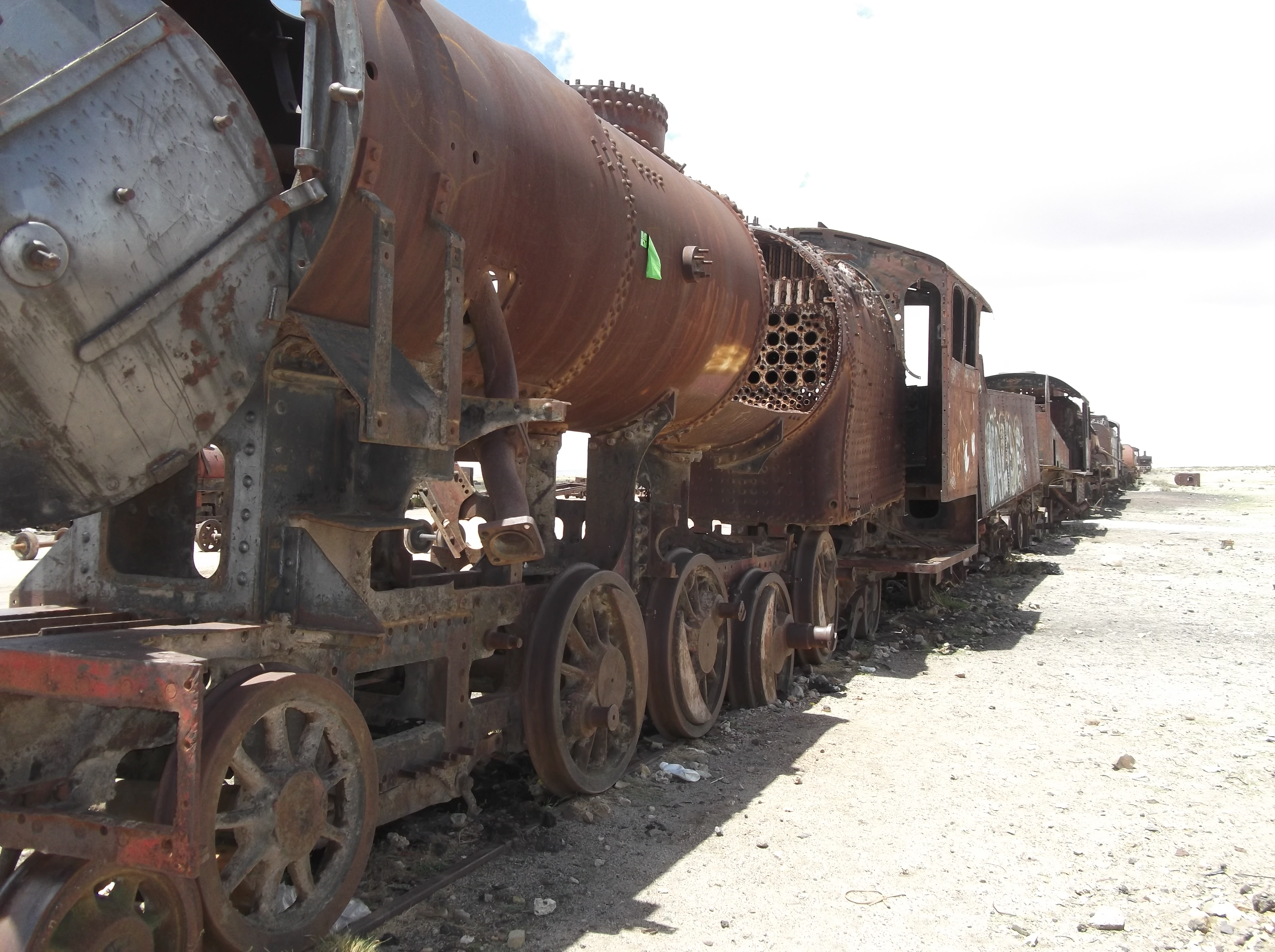
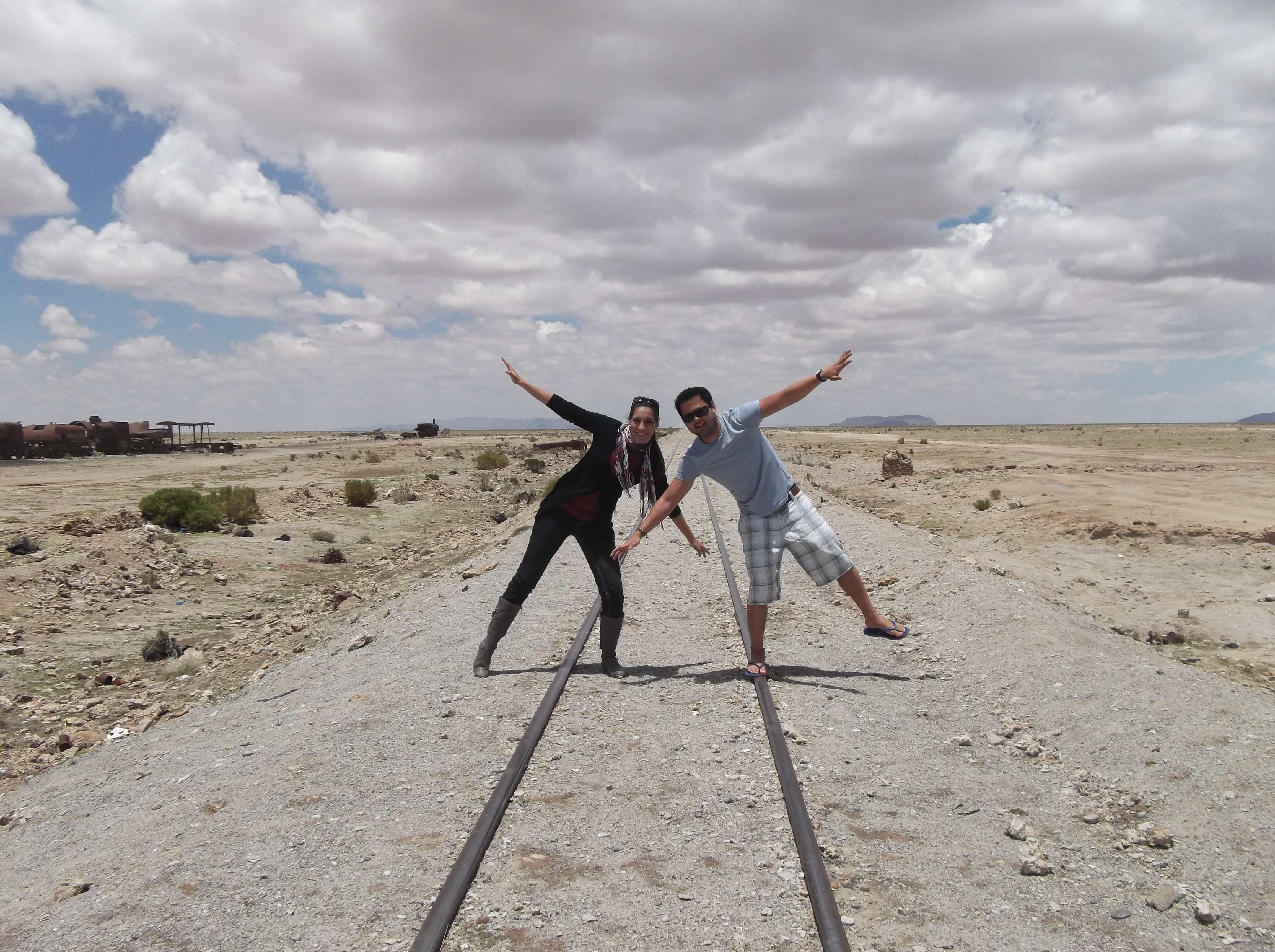
Once a booming railway junction in times in which tin and ore were king, the rusting dead locomotives are the best witness of how decades of abandonment have affected this region of the country, forcing people to emigrate to the big cities. A landscape worth of ‘Butch Cassidy and the Sundance Kid’, a land in which is it believed the duo found their final days, forgotten just like Uyuni did.
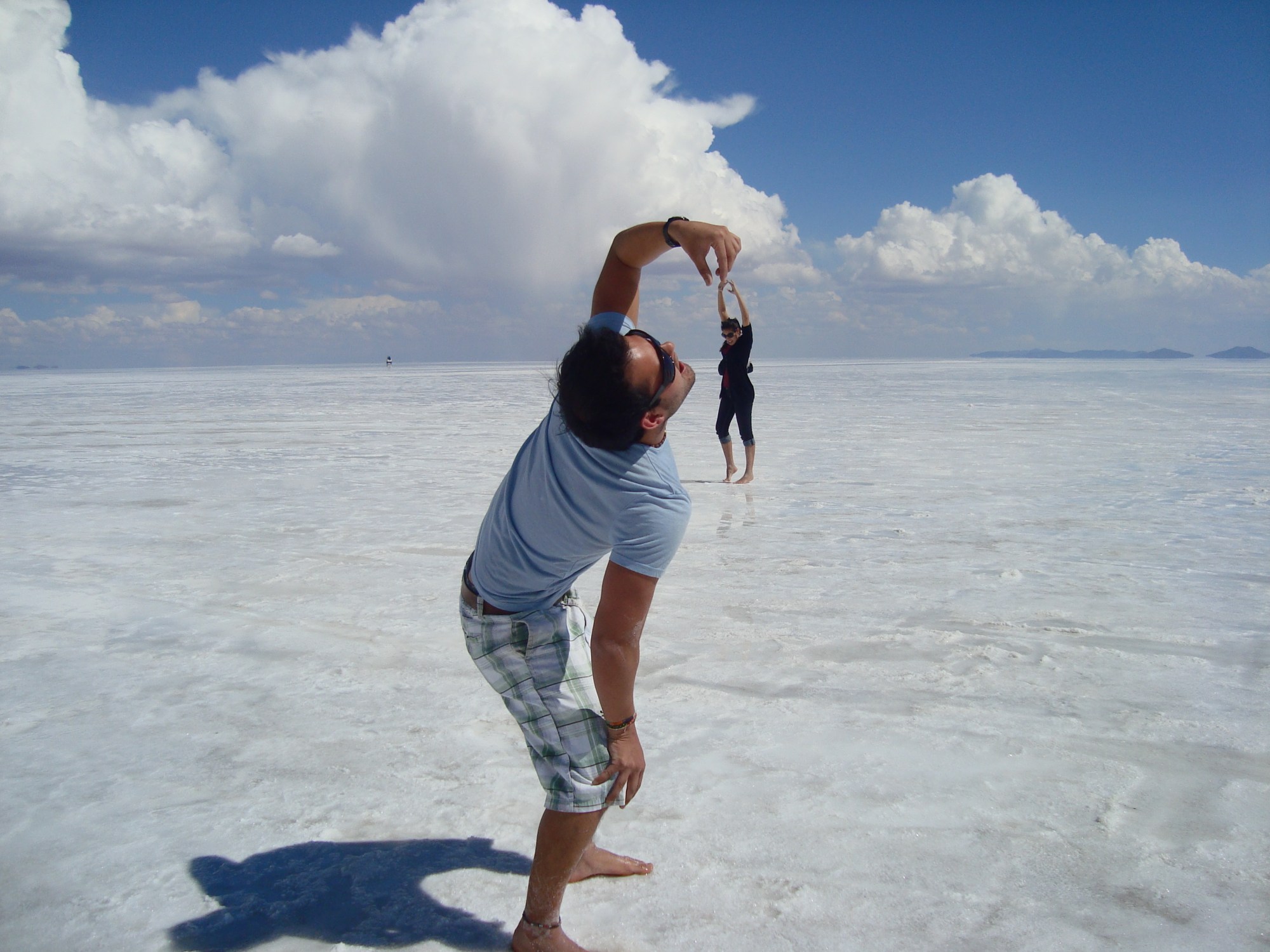
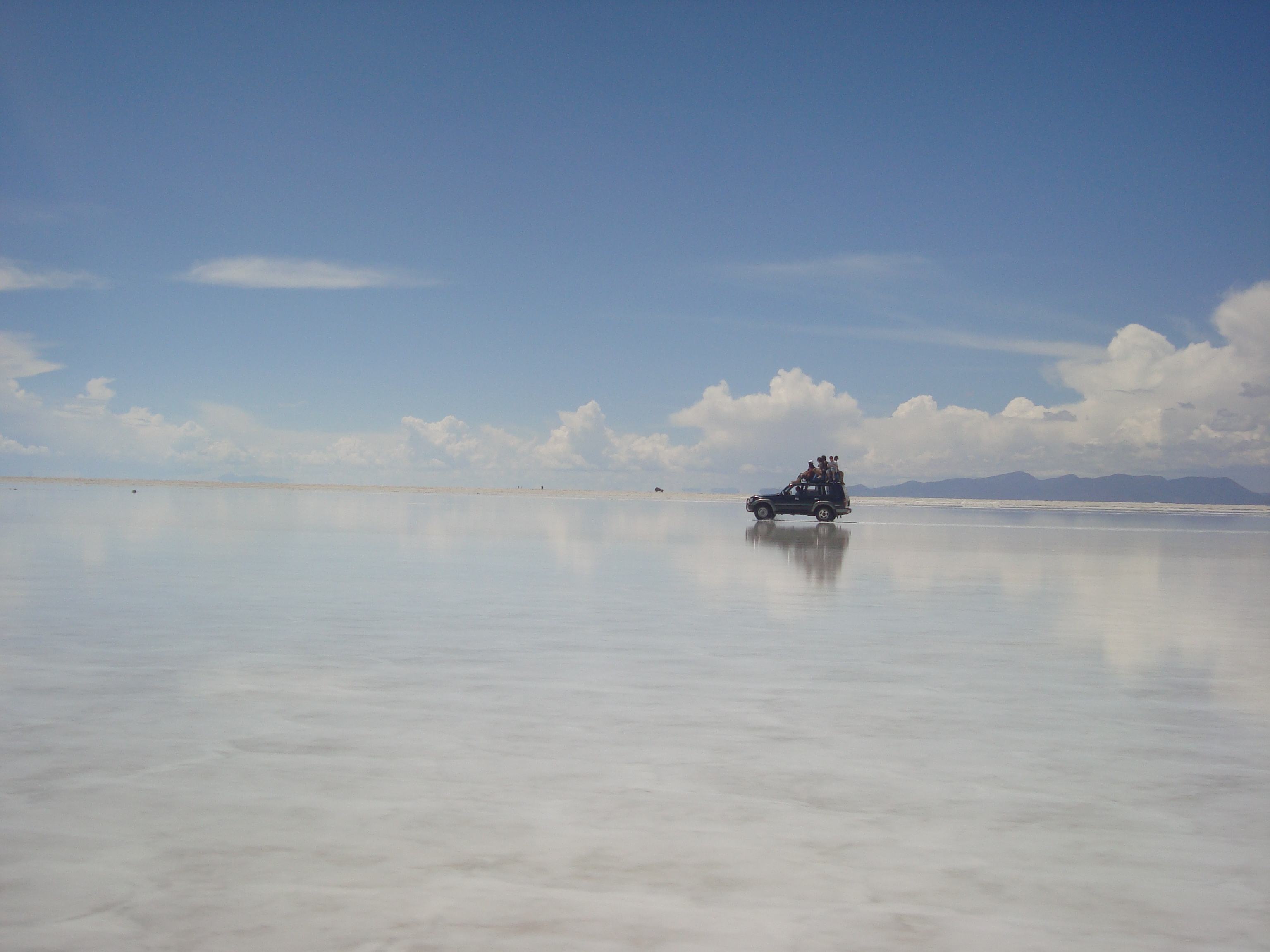
We drive through muddy streets contouring the small town and without warning, the mirage becomes real. The largest salt flat in the world, ten thousand square kilometres of white bliss reflecting on the sky like a gigantic mirror encrusted in the desert. Within its area, the horizon finds no line and becomes endless, while the hotel made of salt near the rim is the only beacon between the life in town and death in the deser
We step off the car and play in the salt. We play visual tricks with the camera, we lick the furniture at the hotel and we have an improvised lunch on a salt table.
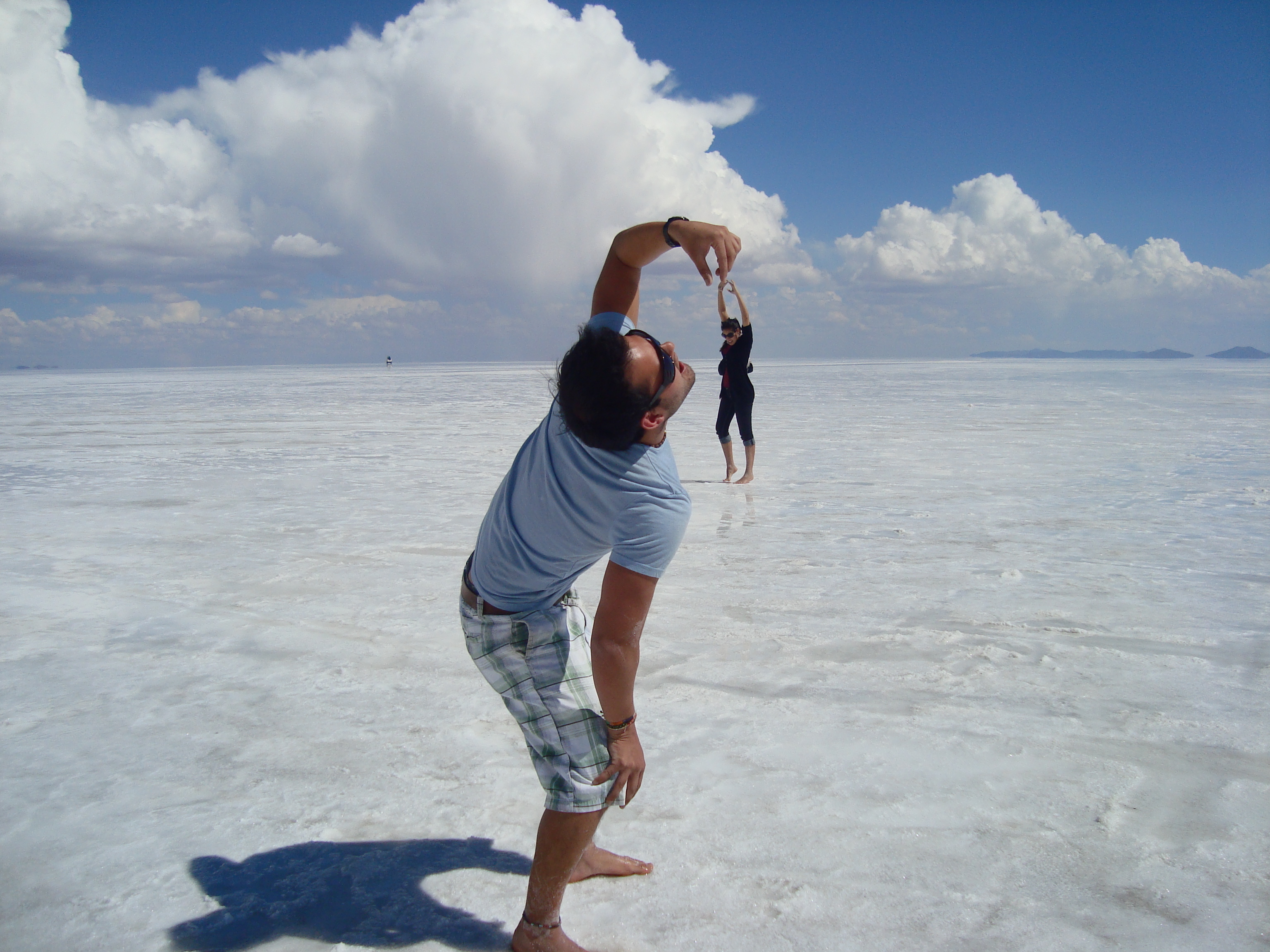

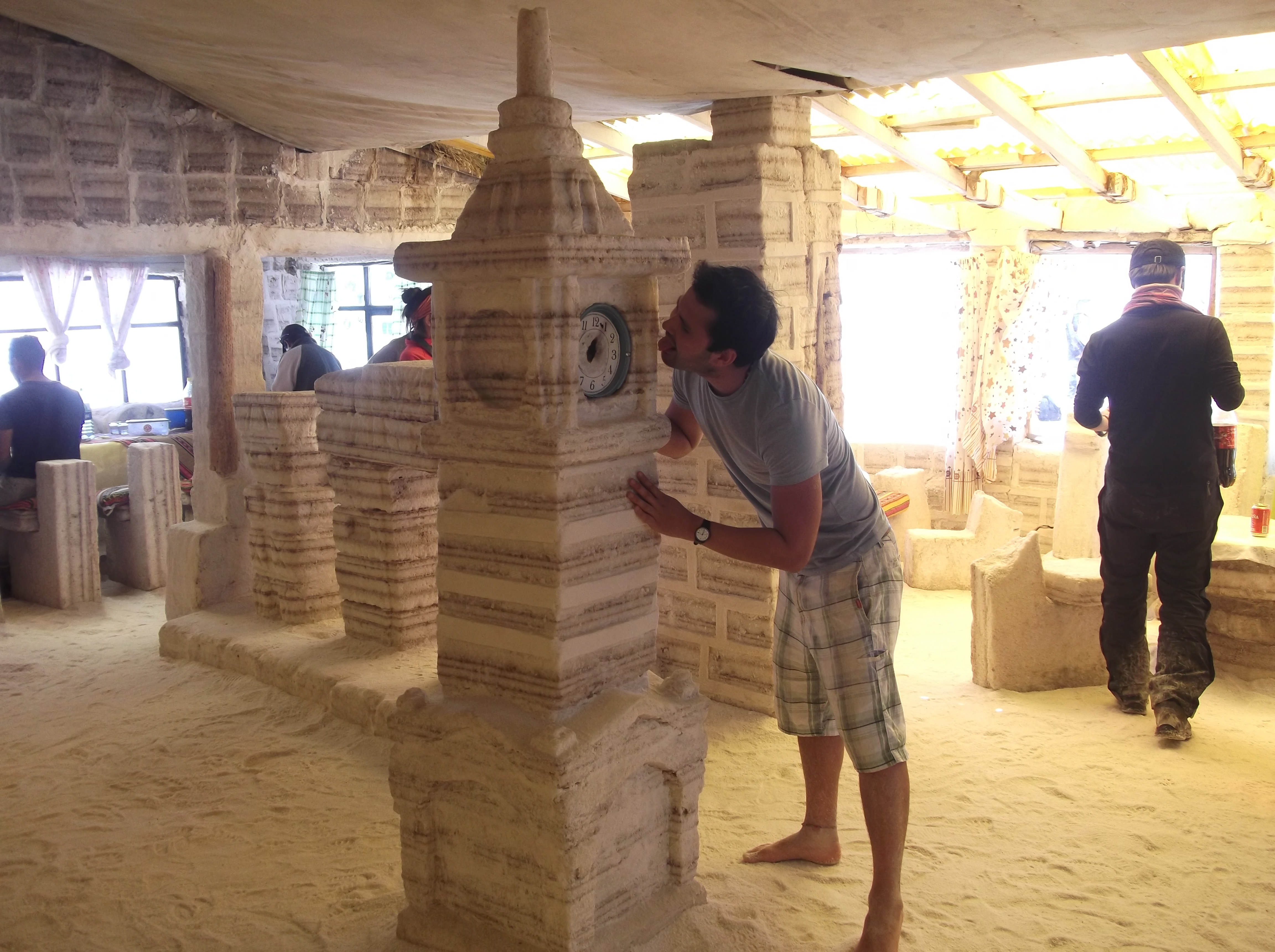
The tour follows West towards the border with Chile. Here, villages are mere clusters of houses resisting the cruel weather and the horizon is a soft line of hills crowned by distant dormant volcanoes. We turn in at the coldest and hardest beds in life at Villa Allota and try to get some sleep amidst the sound of wandering alpacas and the soft chilly wind.
In the morning:
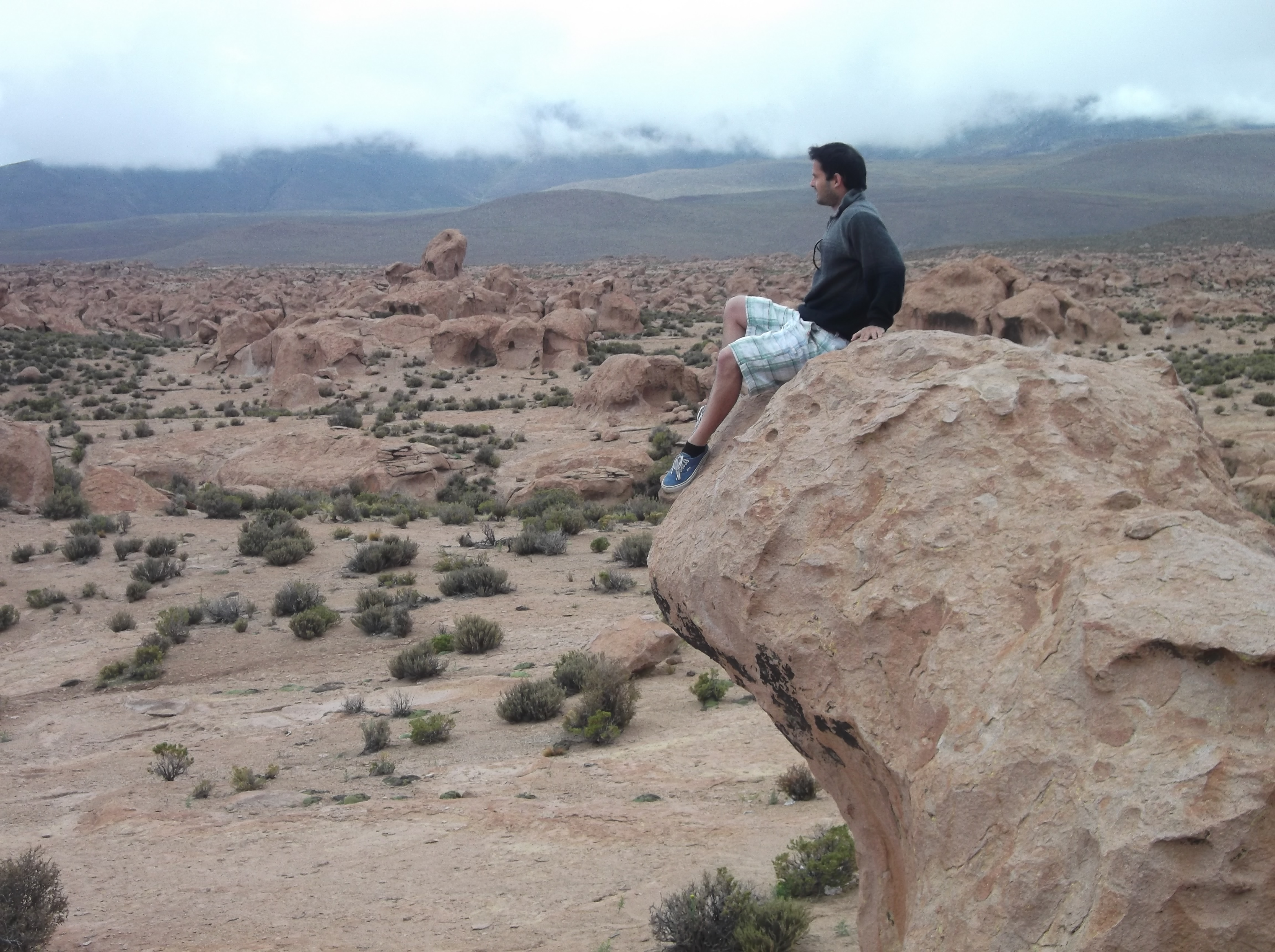
‘ We drove down the road towards the border with Chile into a land in the middle of nowhere. No trees in sight but a jungle of rocks and a landscape resembling the Moon or even Mars. First stop was Valle de Piedra (Stone Valley) where erosion over thousands of years created the most amazing shaped stones I have ever seen. Figures resembling condors (Andean eagle), tigers, half donuts and arches. Figures that played with our minds and our imagination right in vastness of the Andes’ .
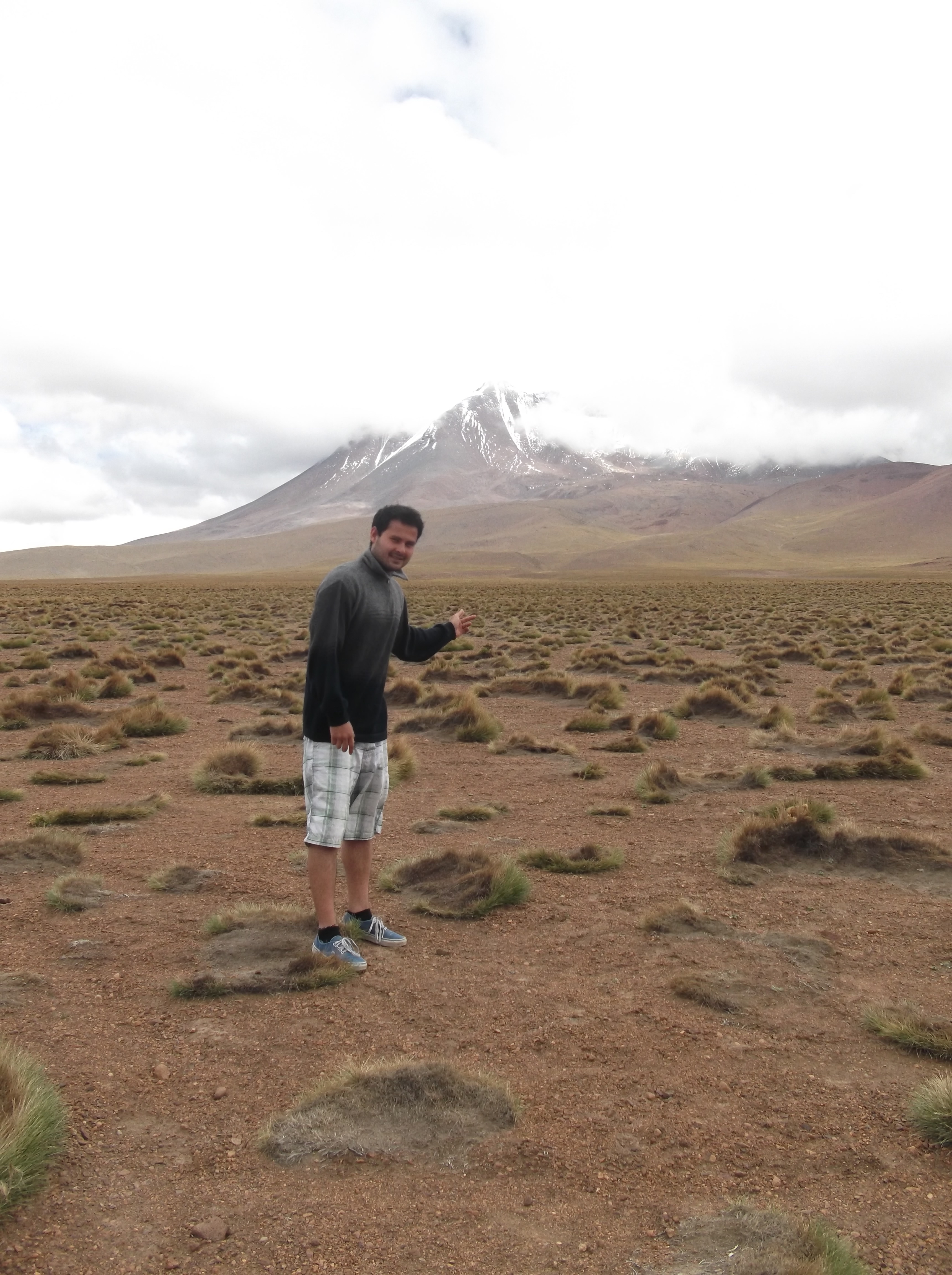
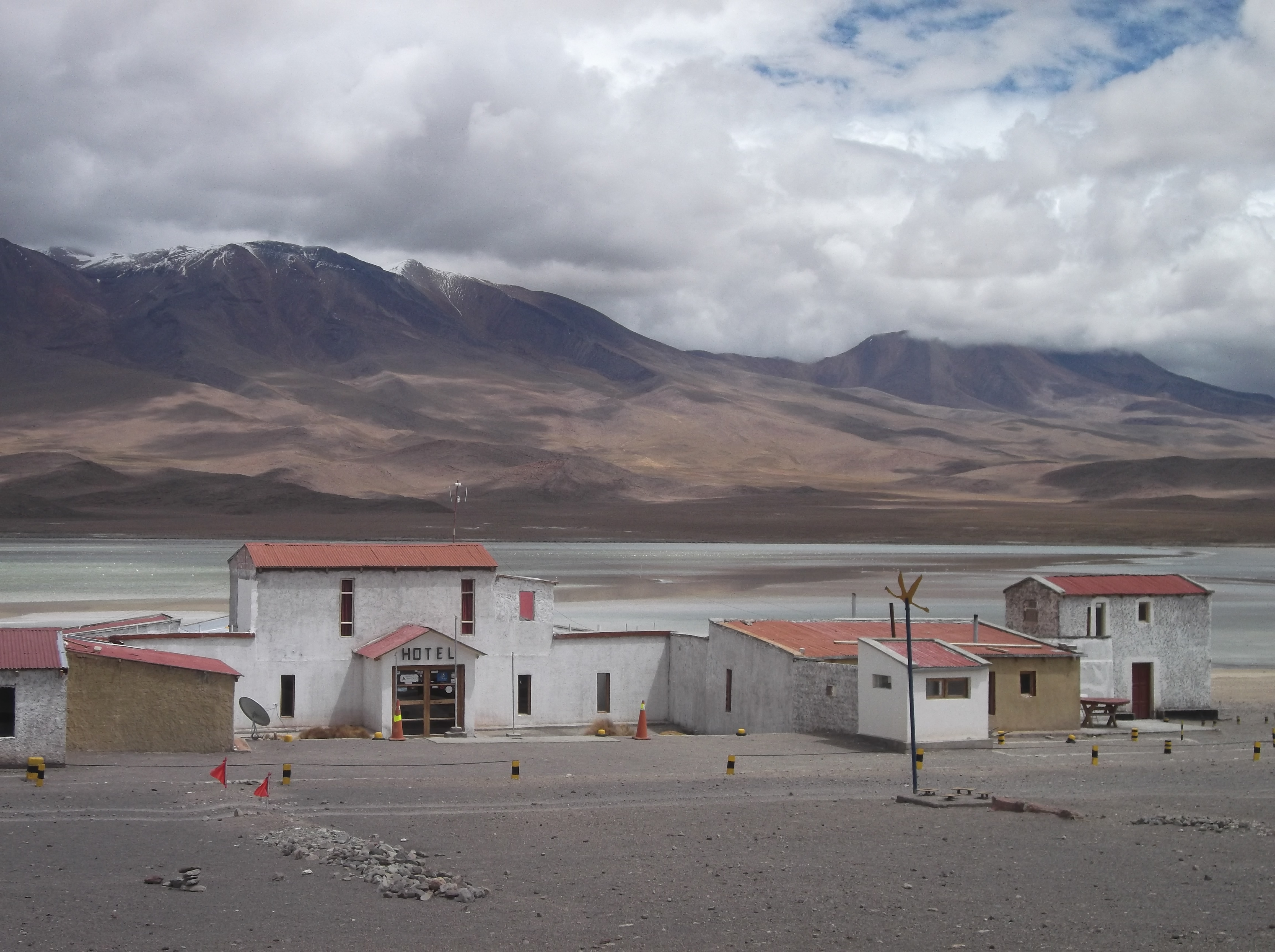
A few minutes down the national road, the wild trail follows steep valleys and highlands that collide straight faced with the cone-shaped Corina Volcano rising up to five thousand meters above sea level. In Laguna Chiarkota, a very shallow lagoon is the sulfur-scented playground of pink flamingos resting in the silver mud.
We finish the tour with a tricky bone-shaking drive across the plain and onto the main road, following the main road connecting Atacama with Uyuni.
The rain catches up with us shortly after San Cristobal and turns the gravel road into a skating rink. On the front seat, with no seatbelt on, everything happens in slow motion: a long wide curve ahead, the driver swerving his arms trying to regain control, the car detaching itself from the main road and floating to the side before hitting the ditch, one, two , three times, each time felt like a slap in the head after misbehaving. Upside down and for a number of seconds, all that I can hear is silence, before the cries for help begin and the survival instinct kicks in.
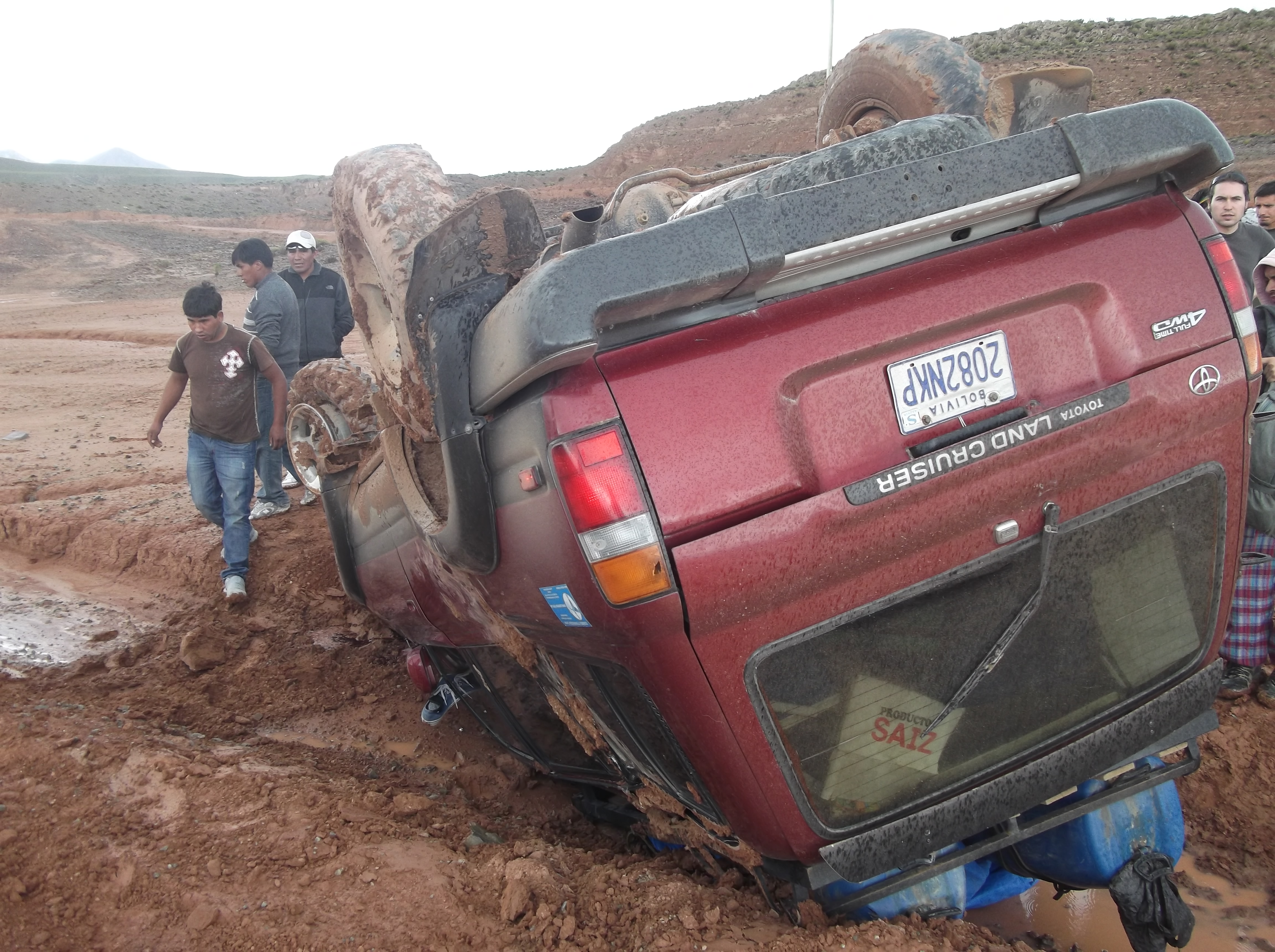

I crawl out of the seat through the window and onto a puddle of mud. I look back and open the rear door to help my friends in escaping. Half empty plastic containers of petrol ooze from the now inverted roof. We all crawl out and I am intact, though one of my friends has a worrying head bump.
The driver turns against us and so do his colleagues, forcing us to hitch a ride on the back of a pickup truck to Uyuni.
In Uyuni, the policeman files a report and smirks knowing the case will never be pursued. The Argentine girls purchase train tickets home the same night, the Peruvian and Venezuelan travel to La Paz and we jump on the first bus to Potosi, the next six hours an endurance test of bad roads, of patience, and of lack of sleep.
In Potosi, we rush to the taxi rank and descend to Sucre in two hours, the air again breathable and the worries slightly lighter.
When the morning cracks, my friend’s head bump is smaller and for the first time in hours, we can smile. At the Mercado Central we eat empanadas con api before heading to the airport and catch our flights to end this adventure, this almost surreal trip to the moon.
 THE FLYING CAMBA