
I walk through the empty streets of a sleepy Portobello. The quietness of the fresh springy Saturday morning only broken by a few drunk party animals ending yet another night of pub-crawling.
Wasting no time at check in, I try to ensure a seat at the front of the plane with the idea of sprinting through Charles de Gaulle Airport to make it to my connecting flight. In the end, I have only been given over an hour to make it.
With a full house, we take off and fly over Britain to be told we will be delayed by twenty minutes to my growing anxiety. Upon landing, I push my way through corridors of transferring passengers and board the triple seven shortly before the gate closes for Sao Paulo.
For the next twelve hours, the snowy French Pyrenees open to the sunny Iberian peninsula and like some sort of magic trick, the Moroccan coastline seems to nearly touch the Brazilian beaches in an embrace of blue ocean. Three movies, five sitcoms and a little nap later, we start our descent over the Cantareira Mountains and into the concrete jungle of the largest city in Brazil.
As with every arrival in Brazil, I am first stricken by the stuffiness of the humid air in Guarulhos, despite now being autumn. I walk down to Terminal Two to watch my parent’s flight arrive from Viru Viru. A long overdue treat, I have flown them to the city I lived in for four years with the intention of finally showing them the life I once had within its confines.
Tired but not over with the trip, the three of us alight at the bus platform underneath tall palm trees early in the night and board a ridiculously air conditioned bus through the congested valley of Anhangabau at peak time and South towards the end of the city and the beginning of the long descent to the Atlantic coast through tunnels carved deep into the mountains.
In Santos, the warm sea breeze is a delightful chowder of fried calamari and gasohol. Across from the short ferry ride, we briefly leave the continent to seclude ourselves in the island of Guaruja. Seclude ourselves from airplanes or from family or business obligations, the same way I would when I lived in Brazil.
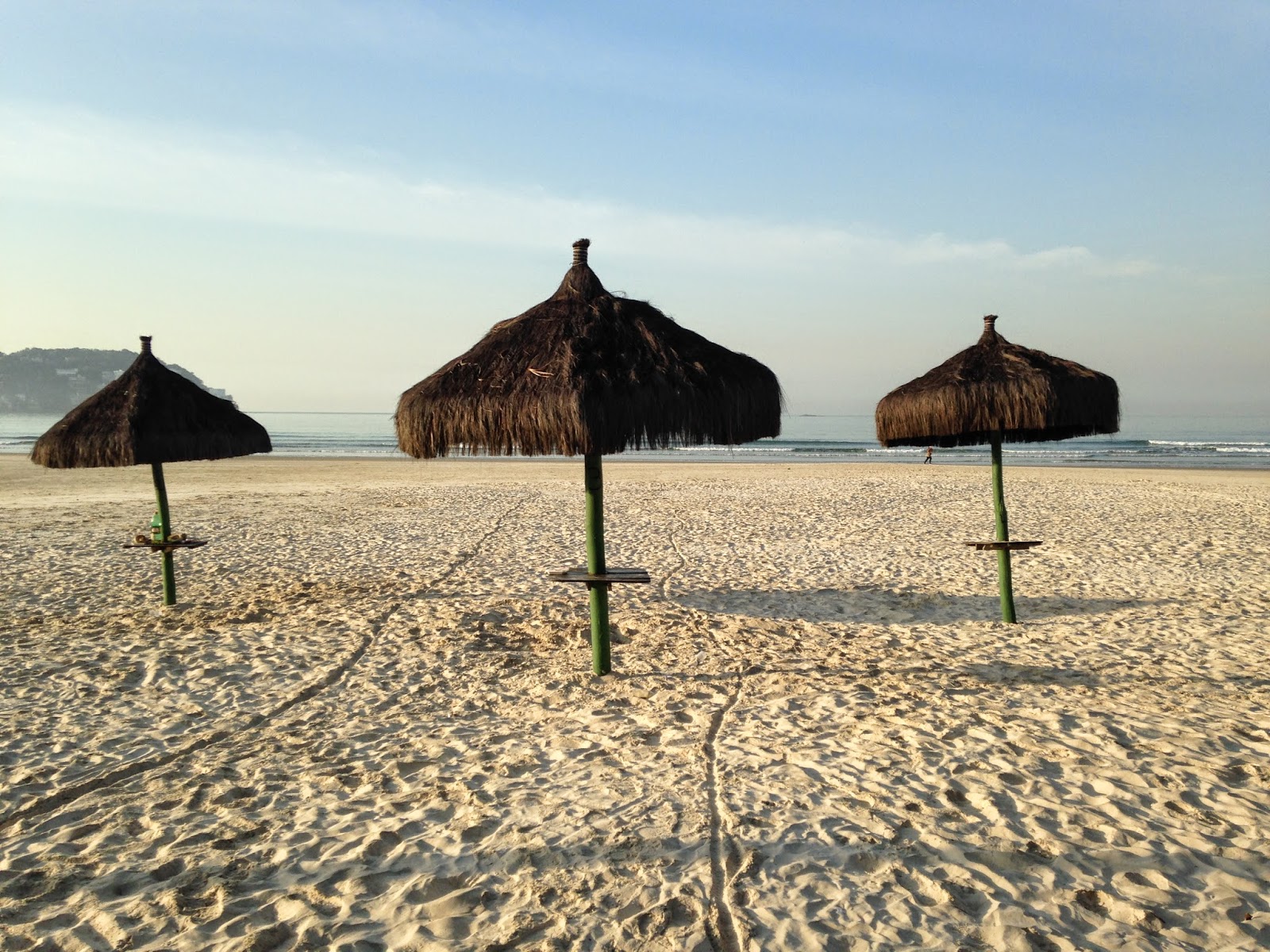
Rested, my stepdad and I rise at the crack of dawn and venture to the blissful sight of a complete empty beach. In Brazil, the sun rises over the sea and with it, the country slowly comes to life. A light breeze flirts with the palm trees and freshens the sweat off rich morning runners and fishermen’s foreheads, and the owners of small bars, still groggy from the previous night, wash the floors with white soap at the sound of a morning samba.
Throughout the day, we succumb to the guilty pleasures of a lazy day in a Brazilian beach: we indulge in the spicy red tubs of freshly-made crab chowder, down cold caipirinhas in between naps, or fight the blue waves when the sun challenges skin endurance.
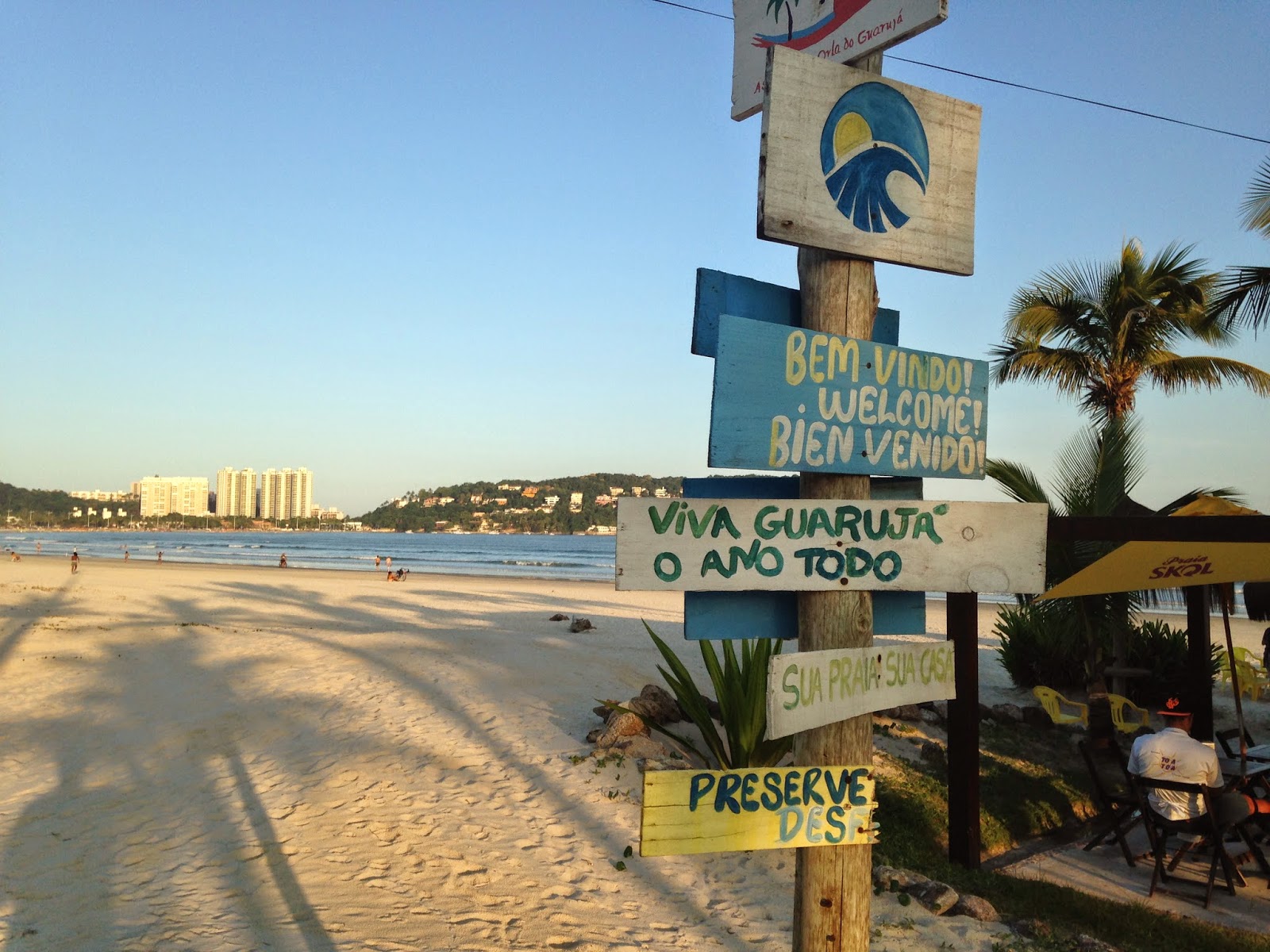
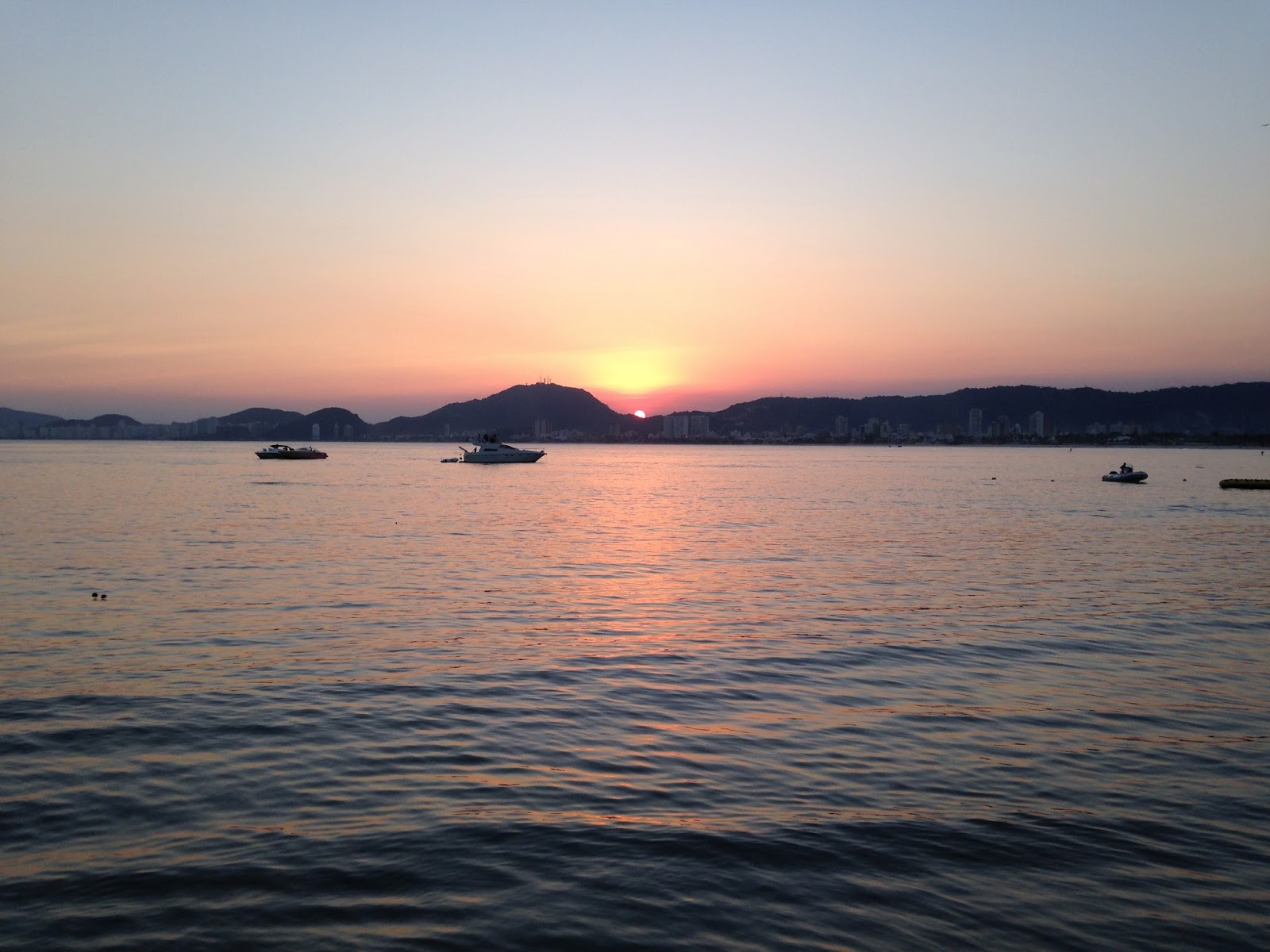
Looking West, the sun is cradled by the mountains of the plateau at sunset. The Serra Do Mar strikingly defining the edge of the South American continent as it sinks beneath the sea towards the mighty Atlantic.
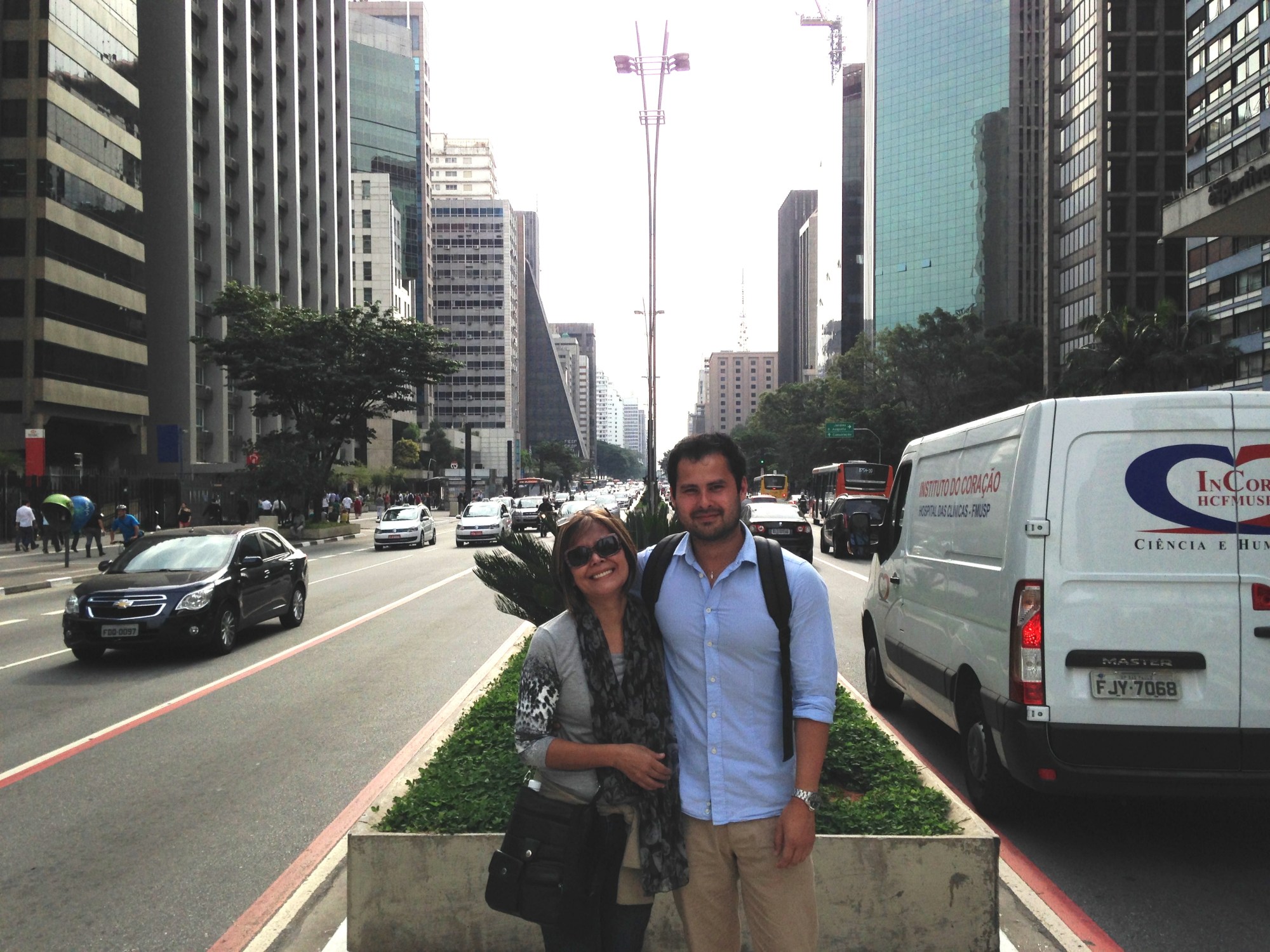
On Monday morning, the solitude of the beach is traded by the frenzy of the city and, once checked into the hotel, it almost feels like I never left. With no map in hands, I walk my parents down streets of familiar sights, familiar stores and even familiar faces.
Aircraft overfly low and roar as they U-turn away from nearby Congonhas Airport as a gentle reminder of the evenings I spent dreaming about finishing my degree and traveling the world. At Ibirapuera Park, I set a bedsheet on the grass overlooking the skyscraper jungle of the Paulista Avenue with some sort of pride. It was here in this exact spot that many times I celebrated, I cried, I exercised, I planned.
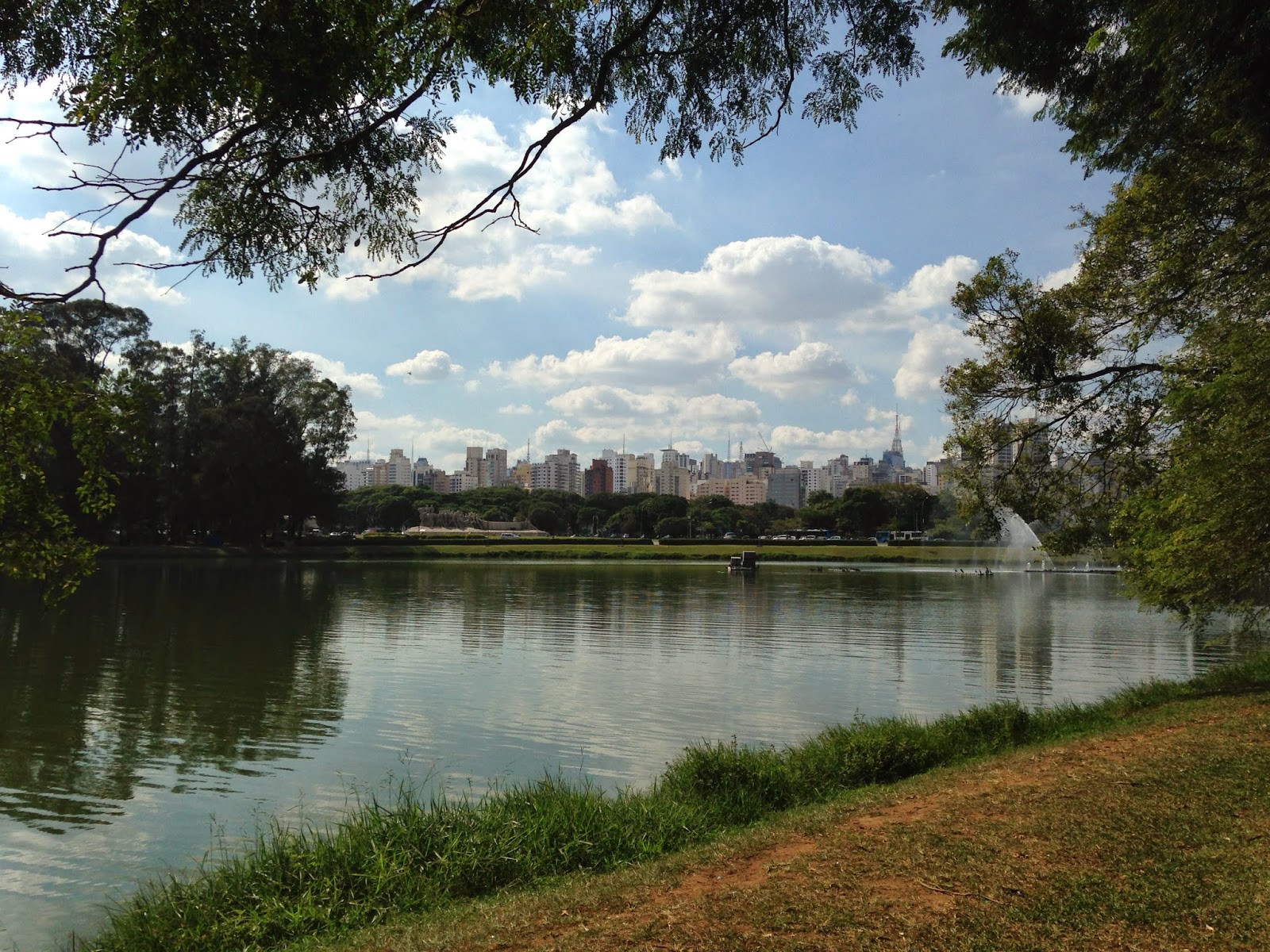
‘Sao Paulo continues to be business for me. I arrange meetings throughout the city around quality time with my parents. A business meeting in the West end means a brunch near the campus of the university I attended at Barra Funda with them, a business meeting in the city centre means afternoon coffee near the building I rented an apartment at in Higienopolis with them.
It is like now I am a mere viewer of the life I once had. A book of pictures I created through time lived here, and most importantly, a book of pictures I can now proudly display to the most important people on Earth for me.’

However, the toughest time in Sao Paulo has barely started and, in the morning of the fourth day with shoes that seem to weight a ton, I take my parents to the Tiete Terminal in an awkward stomach-knotting silence.
With no looking back, I wave the bus goodbye and wipe tears while I take the metro back into the city. With no looking back, I take a deep breath, retrieve my laminated badge at the strikingly-designed Oscar Niemayer’s Bienal do Ibirapuera and organise totems and stand ready for Travelweek.
For the next three days, I work around a routine beginning with an early start of coffee and Masters’ degree essay writing. Five thousand words due in one essay, two thousand in the other. At eight, when the city is heaving with activity both over and underground, I take the green line down to Avenida Paulista, and with a bagel in hands, I walk down to the Ibirapuera Park for work.
Inside the Bienal, fifteen-minute slots are arranged in the space of eight hours, for a total of one hundred and forty seven agents to be met in three days. Presentation for ten minutes, questions for five. English, Spanish and Portuguese.
In the late evenings, I meet old friends in a freshly-build luxury shopping centre in Morumbi, and I meet an old teacher in her small studio apartment overlooking the Anhangabau Valley. I meet the ones that remained in my life, the ones that made my time in Sao Paulo great.
On Friday evening, my last night in the city, I dress in white and I am refused entry into the Unique Hotel due to issues with my badge. I ring a friend and meet him for dinner instead as I change into flip-flops, grab my backpack and wait for the last bus of the night at Republica bound for the International Airport. I find a corner near the empty check in counters and work on my essays as I wait in the cold dark terminal overnight. My flight is finally called and we board it just as the sun is cracking over the horizon.
I rest my head on the seat as we take off and, in between episodes of light sleep , I smile at the thought of having been in Sao Paulo with almost the same routine as I did half a decade ago: a busy working schedule, a daily battle squeezed in the crowded public transport, and escaping times at both the beach and the park.
A window to bitter struggles from the past. Of a transformation from teenager to adult now shared with my parents and sweetened by the taste of victory. A sweetness as pleasant as the dulce de leche oozing from my alfajor on final approach into Buenos Aires Aeroparque Airport.
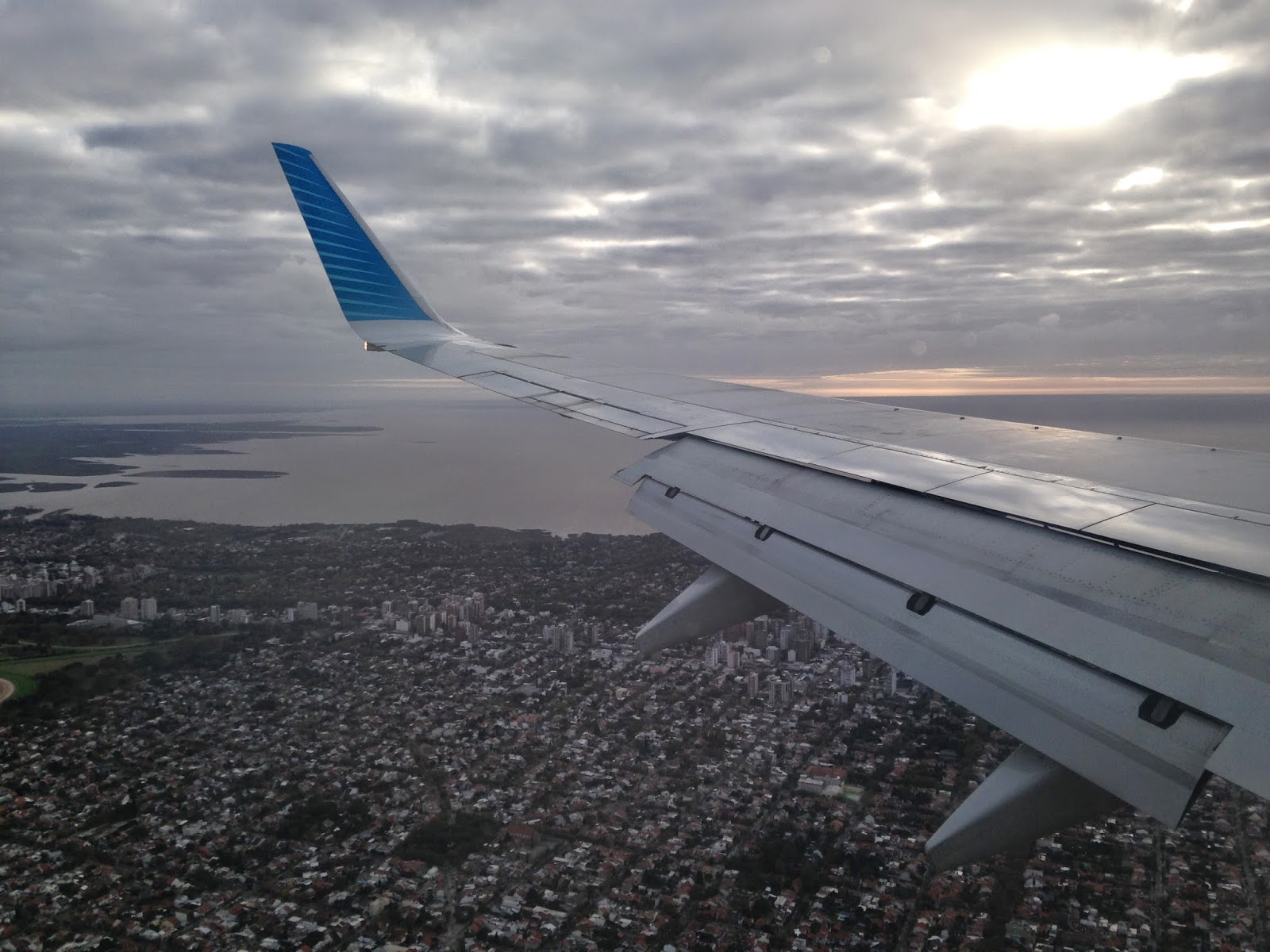
Let the real holiday begin.
 THE FLYING CAMBA