
I drive to Dublin Airport early in the morning at a time in which crowds of sleepy Dubliners run for shelter under the October rain, a clear reminder that autumnal weather has now invaded our daylight-deprived days.
A timid beam of sunlight fills up the departure halls seconds before a forecasted downpour engulfs our airplane as we finish boarding.
I contemplate the rough weather through my airplane window as we taxi and take off, the much appreciated sunshine a true bliss across the thick cloud layer. Ryanair has introduced a policy of quiet morning flights, so the once annoying announcements and Persian market-like sales have been clamped for the time being. I nap for a couple of hours and wake up to stare at the Tyrolean Alps opening wide to the coast of Trieste, marking our cue to start descending into the former Kingdom of Croatia.
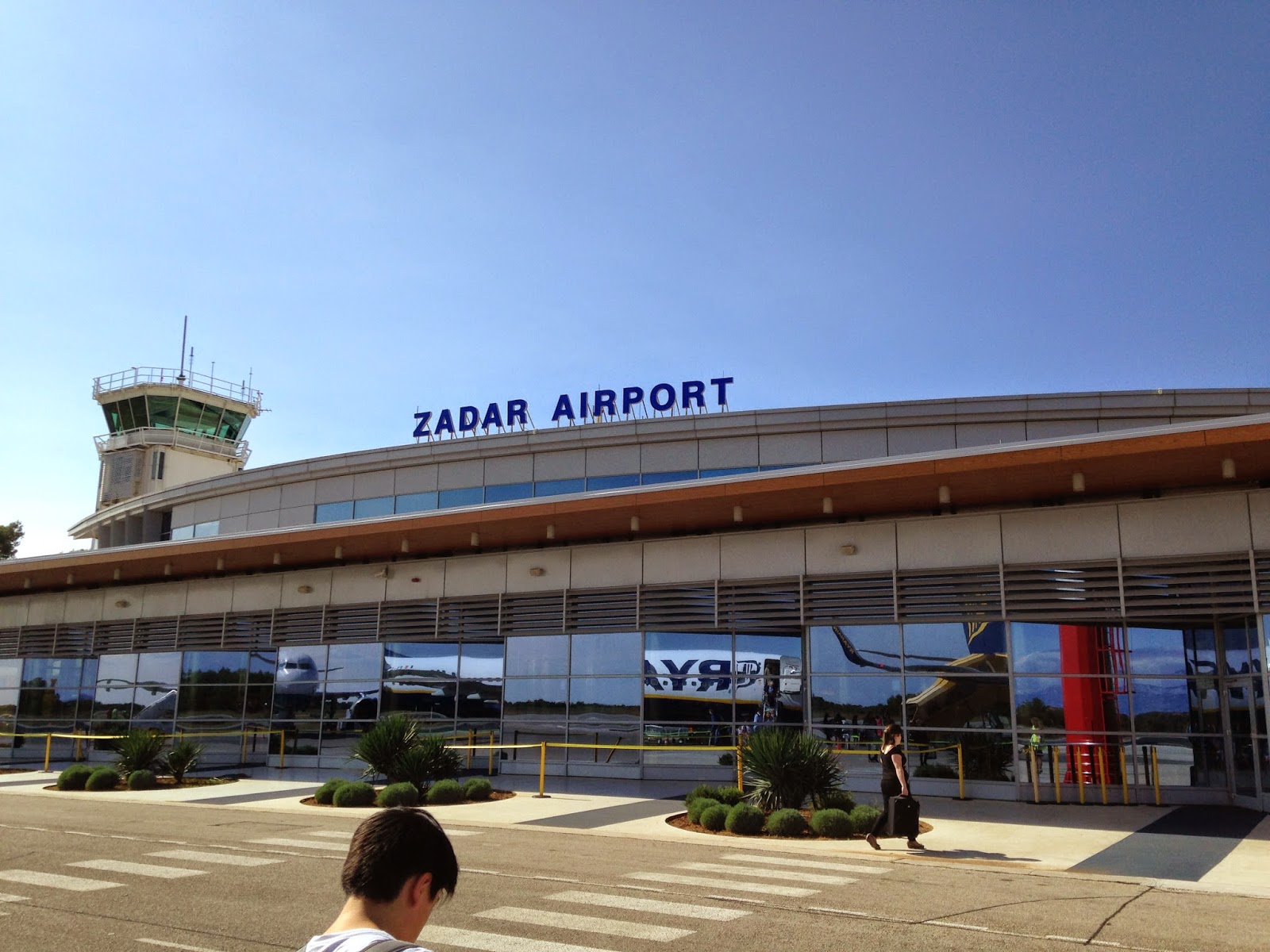
Zadar Airport is a small yet efficient airfield but most importantly, is the much sought gateway to a weekend of blue skies and sea. Once my passport is stamped, I hop on a bus route of Soviet-era tanks and what looks like decommissioned bunkers. Past the large industrial estate following the motorway flyover, I enter a town of wide avenues organised in leafy grids.
At the soulless concrete bus terminal, I purchase a ticket onwards, along the Dalmatian coast, to Split.
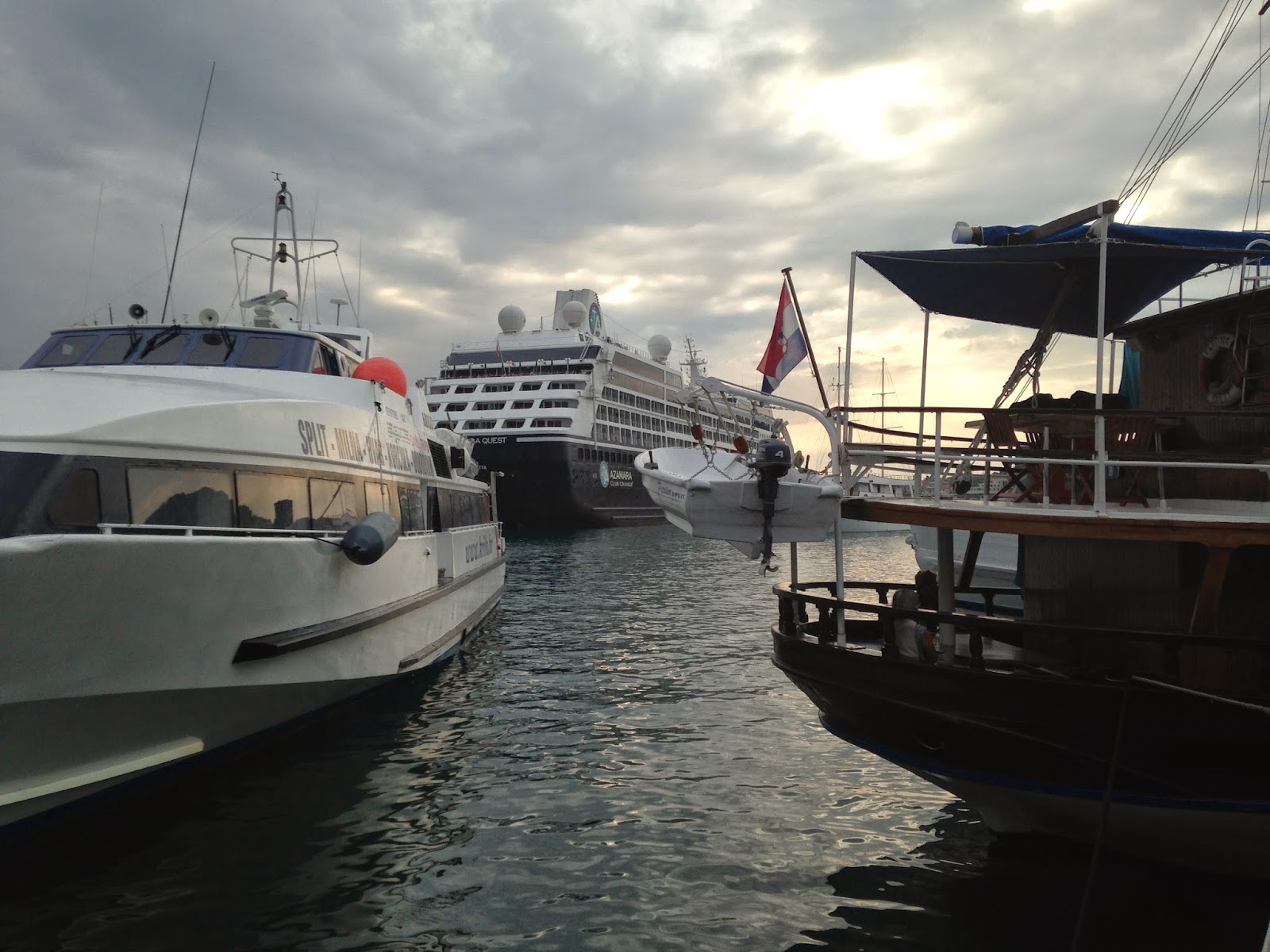
The packed bus leaves through a local road and stops at charming villages of vacant red-tiled houses. The remnants of yet another busy season in the Croatian Riviera. Three hours later, I finally make it to Split, which is synonym of party in these latitudes. The bus pulls into a coach station located next to a busy port of large white cruise liners docking for the day, ferries being loaded for a crossing to Italy and leisure boats.
The last of the Chinese tourists are seen wandering around a guide that vigorously holds a green flag while counting heads.
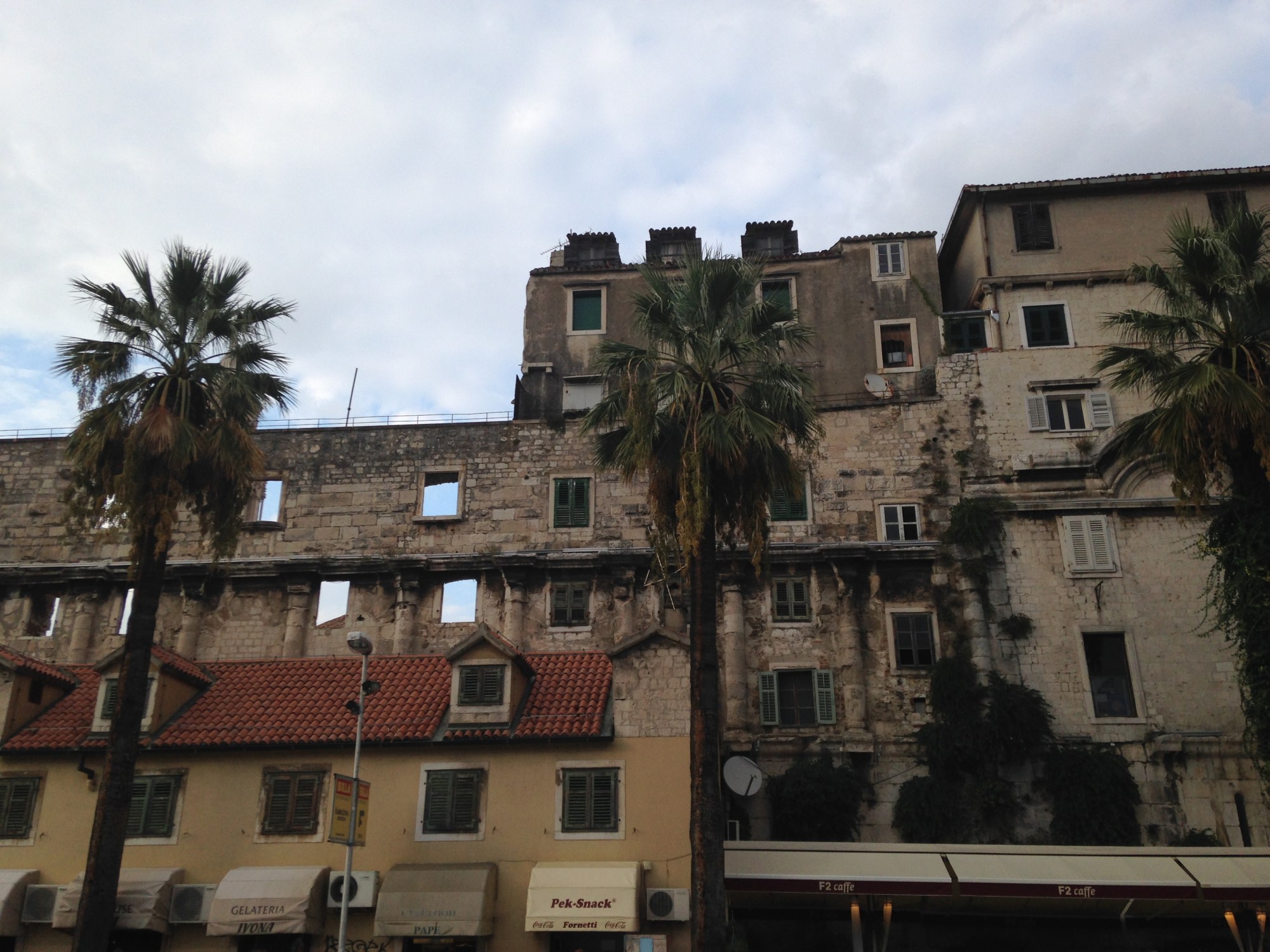
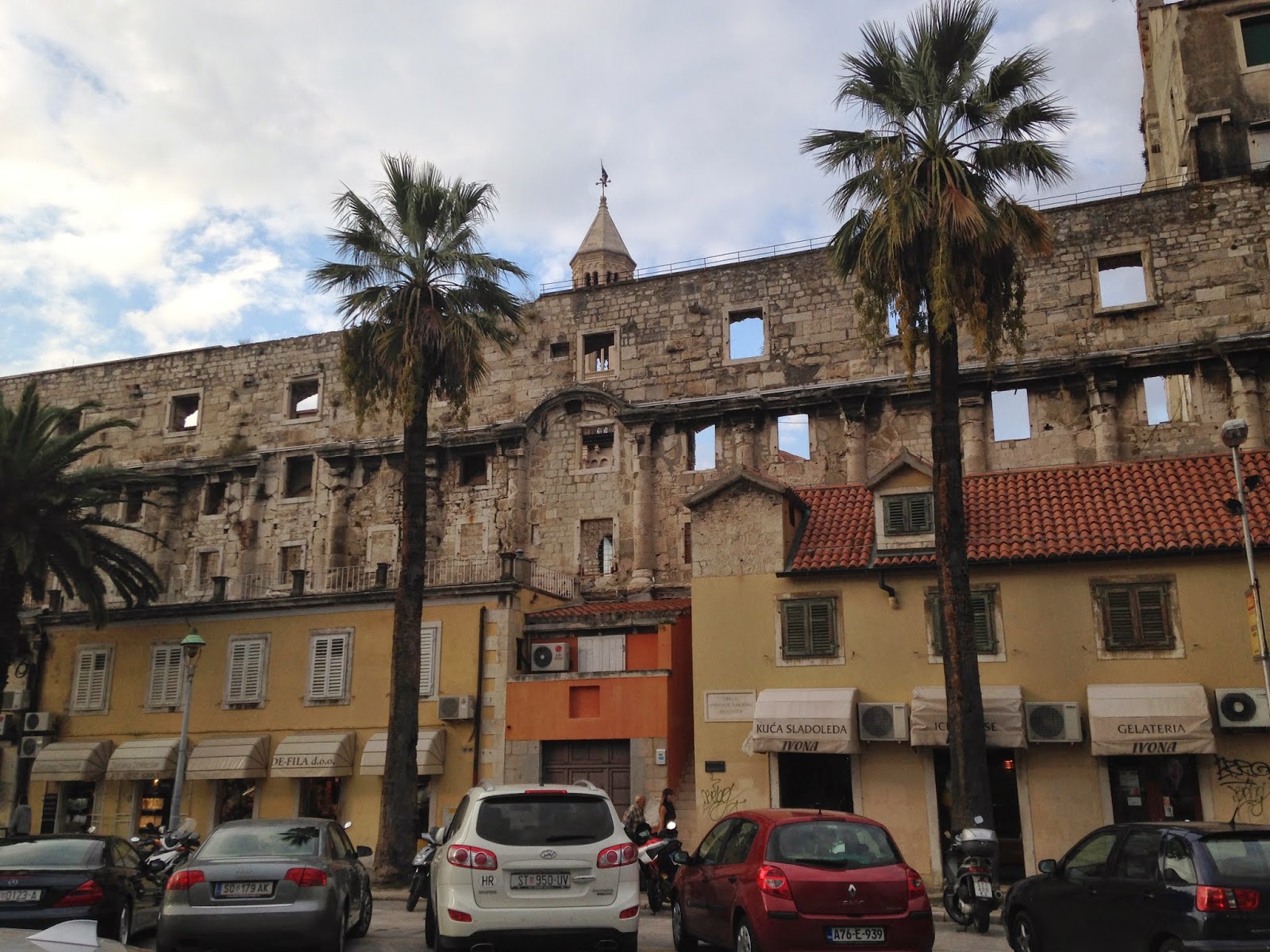
Few steps along the marble-tiled corniche, the Old Town of Split wraps the turbulent history of the region around the ruins of a Roman palace, with walls that have seen the city -and the Dalmatia region- to be conquered and ruled by Greeks, Romans and Ottomans, to become an important crossroads in the Venetian and Italian Republics and finally, to be part of Yugoslavia shortly before the dissolution that gave Croatia a new origin.
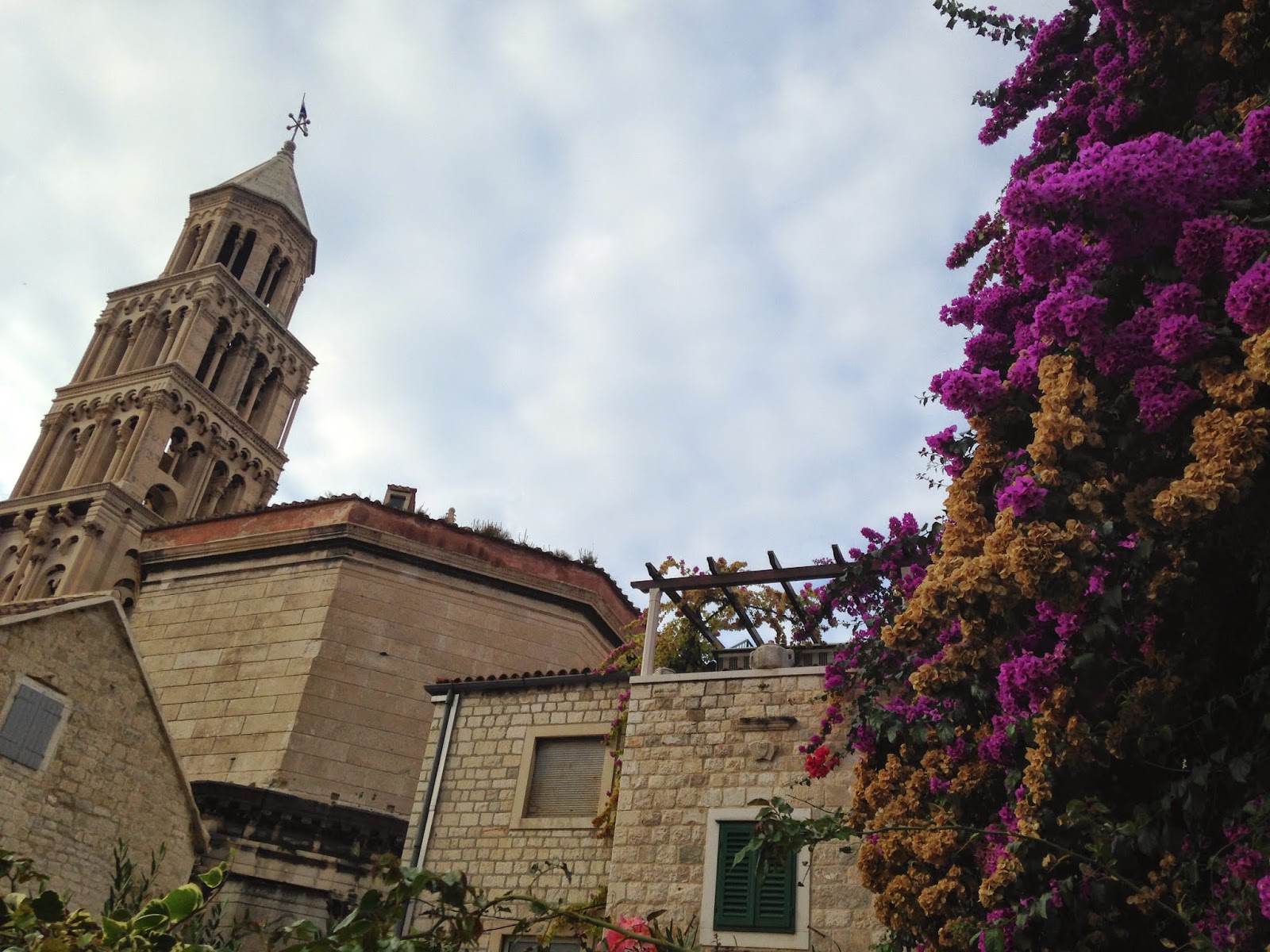
I am somewhat confused about the whereabouts of my hostel as around me, I can only see a long lineup of apartment buildings. I ring the bell at the address on my map and I am led through a set of stairs towards a fourth floor. A friendly local girl checks me in as she offers me a shot of Croatian rakija and explains that with very few budget accommodation in a city of casinos and five-star hotels, a floor in an old apartment block has been sublet for the purpose of the hostel.
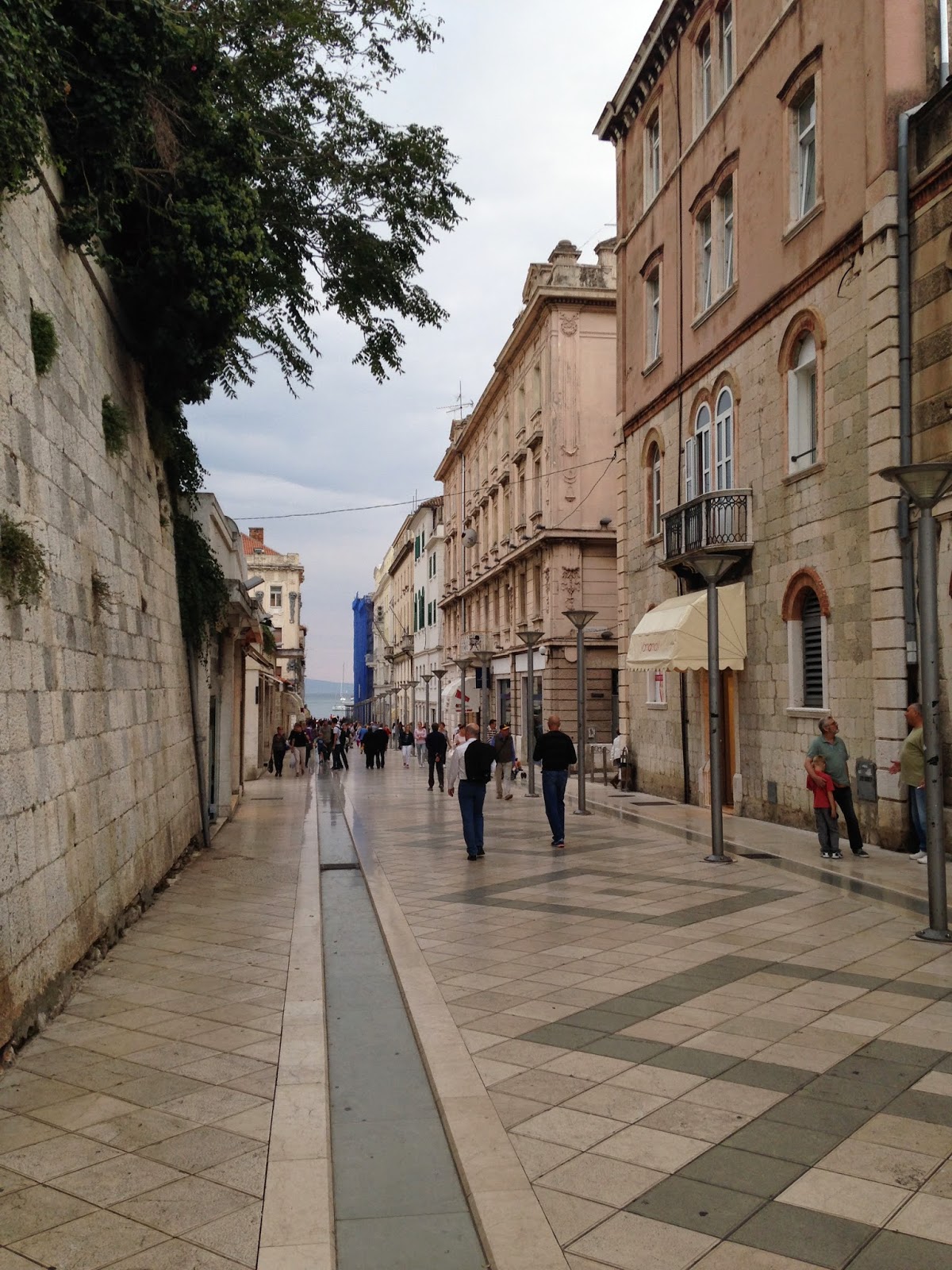
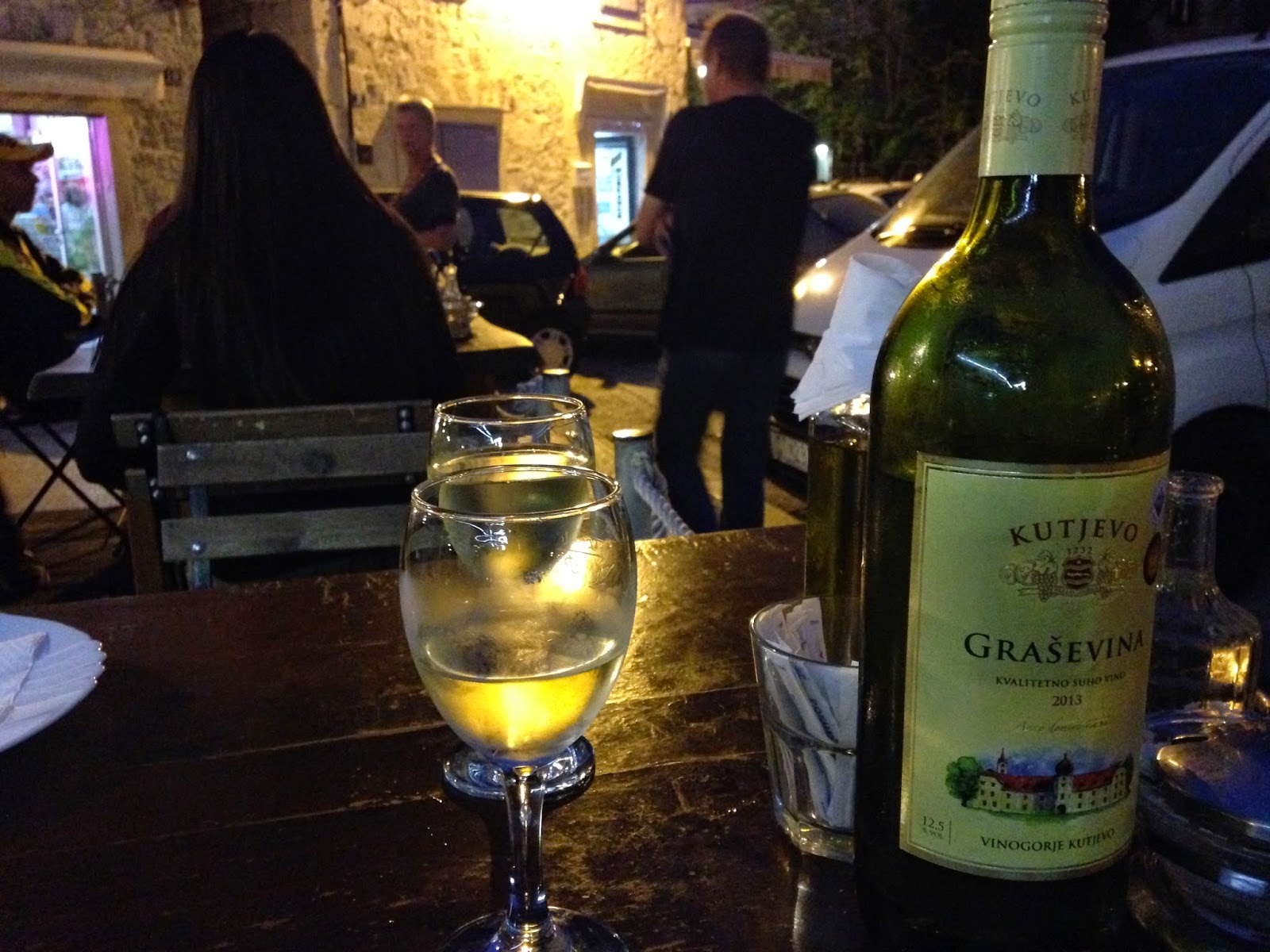
I meet my fellow dorm mates from Canada and Norway and we decide to go out for dinner al fresco as we enjoy the temperate October Mediterranean breeze. Sea bass, grilled vegetables and Croatian sweet wine at the ready and in copious amounts.

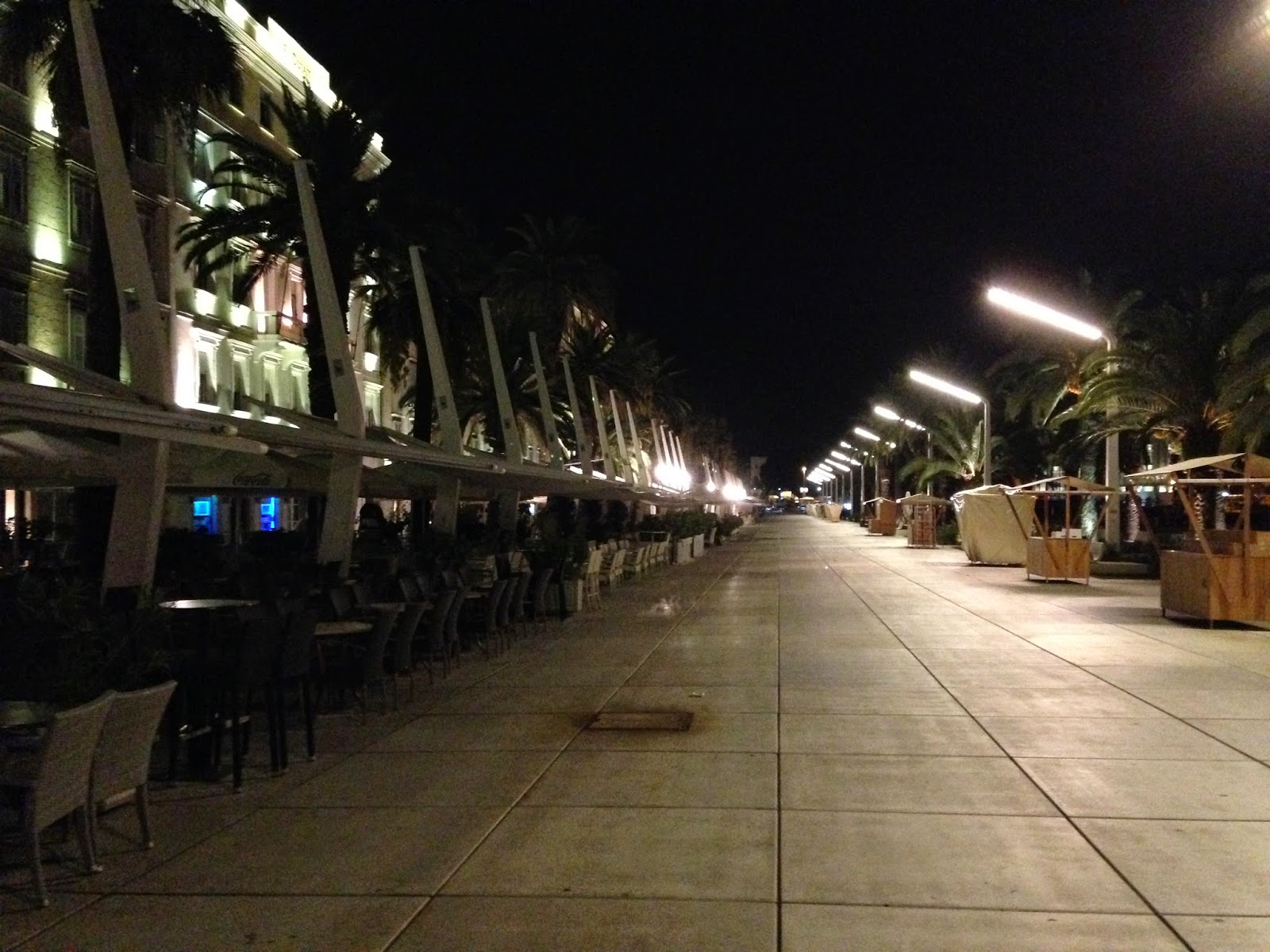
I return to the hostel and sleep the alcohol for three hours. In complete darkness, I grab my small backpack and walk through a deserted seafront of piled wicker chairs and stray cats as the wind blows from as far as North Africa and rocks the tall palm trees in an early morning berceuse.
A small bus awaits at the bus station and leaves mostly empty. I take the front seat to witness the transformation of the karst walls from dauntingly dark to vivid pink as the sun rises over them. Following the coast through Makarska, the engine roars at the effort of climbing to the top of the Dalmatian mountains within only a few miles. A vertigo-inducing roadway that detaches from the coast to enter the plateau where a former Yugoslavia country lays in morning quietness.
In the middle of a foggy potato field, the bus stops at a checkpoint of blue-uniformed officers that take our passports, flick through their pages and stamp them aggressively, with the same operation to be repeated a mile down the road. The stamp in black ink reads ‘BiH’, I have now entered Bosnia and Herzegovina.
 THE FLYING CAMBA