
Only an hour after crossing the border, the buzz of the Latvian capital is seen as the bus enters busy motorways, roundabouts and bridges.
Apartment blocks are everywhere to be seen until a sharp needle-shaped building, which is the main TV station tower, announces the arrival into Riga, the largest city in the Baltics with over one million inhabitants in its metropolitan area.
The wide Daugava River has defined the shape of the city and divided it into two before finally flowing into the port area and the Baltic Sea.
The bus arrives into a some sort of makeshift bus station. Not particularly the best welcome sight of Riga. However, conveniently located besides the main train station and also next to a busy local market.
Across a series of underground passes where little shops sell everything from electric appliances to freshly baked bread, the ‘Old Town’ has retained its charm and iconic style, mainly due to massive efforts of the German empire in reconstructing this part of the city after the World War I, which resulted in a well-balanced combination of art noveau houses, impressive cathedrals and ample squares.
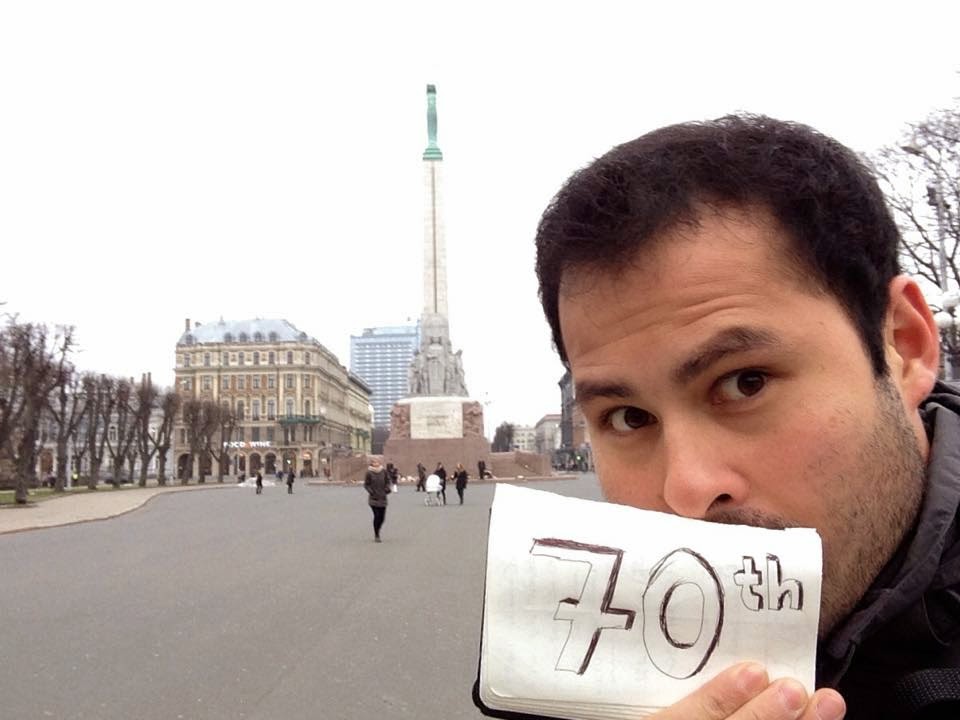
Independence Square with its tall obelisk becomes the setting for a quick selfie. In the end, it is not every day that one reaches 70 countries!
It is dry and no snow can be seen, despite the wind chill coming from the nearby Baltic Sea cutting through the skin like a sharp knife.
I check into my hostel, situated in the Old Town and comments I had heard about Riga are confirmed. A place mostly cataloged as the ‘party capital of the Baltics’.
Considering the larger size of Riga and with yet another early start (and with many needed layers of clothing being worn), I walk through the wide and windy Akmens bridge to explore the Western side of the city, with the brand new and colossal cruise liner-shaped National Library as entry point and following a wide road into the suburbs.
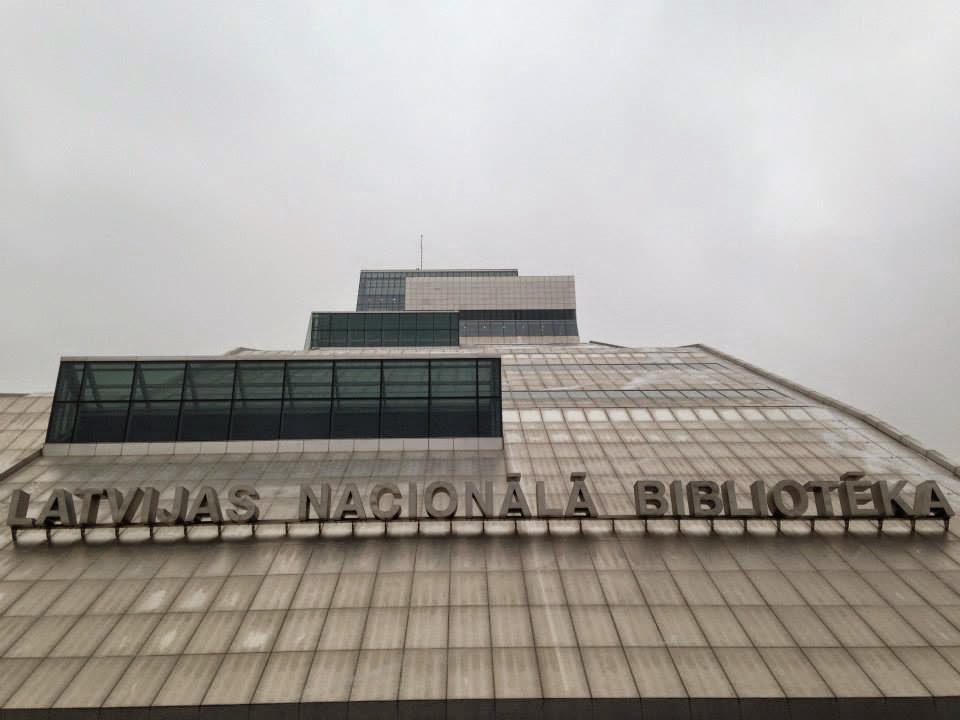
Along the way, busy drivers sip on some hot drinks while queuing outside a trolleybus depot in order to start their shifts, dusty factories buildings with red bricked chimneys and some broken windows await for busy loaded trucks to enter the premises and a lonely dark cemetery silently sits under bare trees.
Old white-and-blue Soviet trams loudly transit through narrow-gauge railroads, whilst commuters wait at improvised stops carrying groceries and shopping bags.
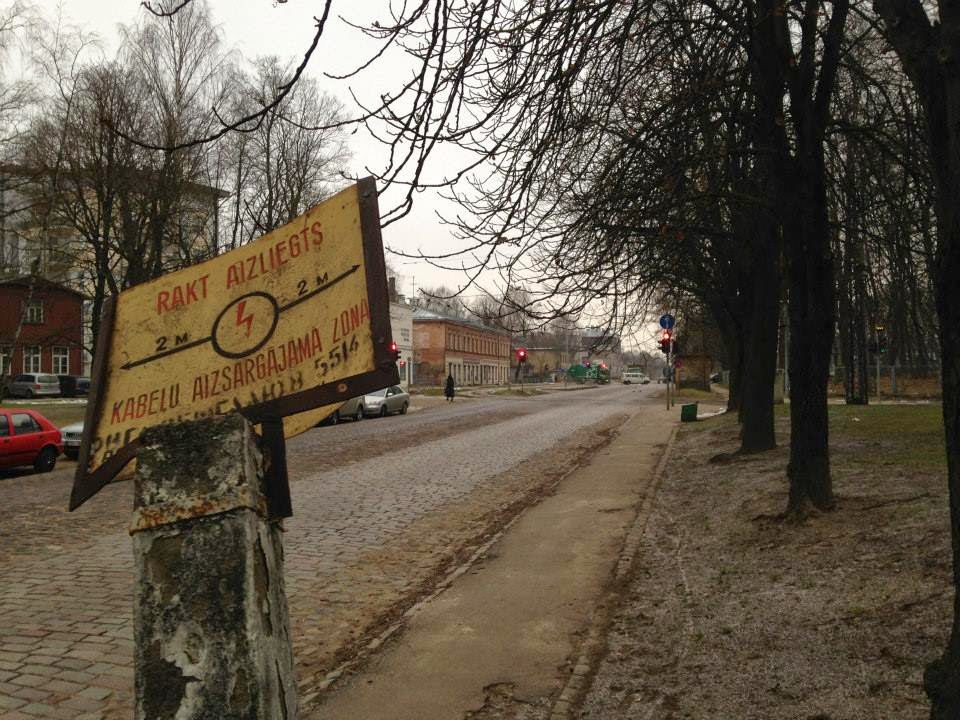
I have suddenly been transported through time to the 1970s. The famous ‘commieblocks’ are everywhere to be seen with their plain white-green tiles and square shape.
Inside these apartment blocks, the last bastion of Communism and Russian heritage remains alive. A different sight of the Baltics and an element that needs to be seen and studied in order to understand the history of the region at its best, and it is just that Soviet occupation played an important part in the culture and development of Latvia, placing the region as an important industrial key player, importing laborers from as far as Siberia and providing them with free healthcare, education and housing.
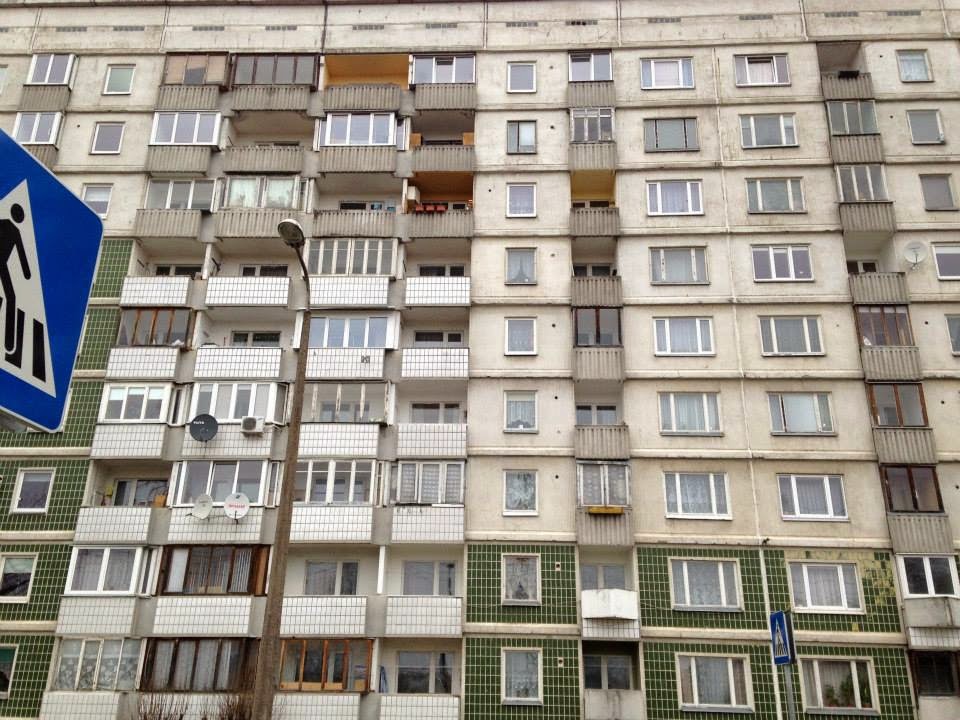
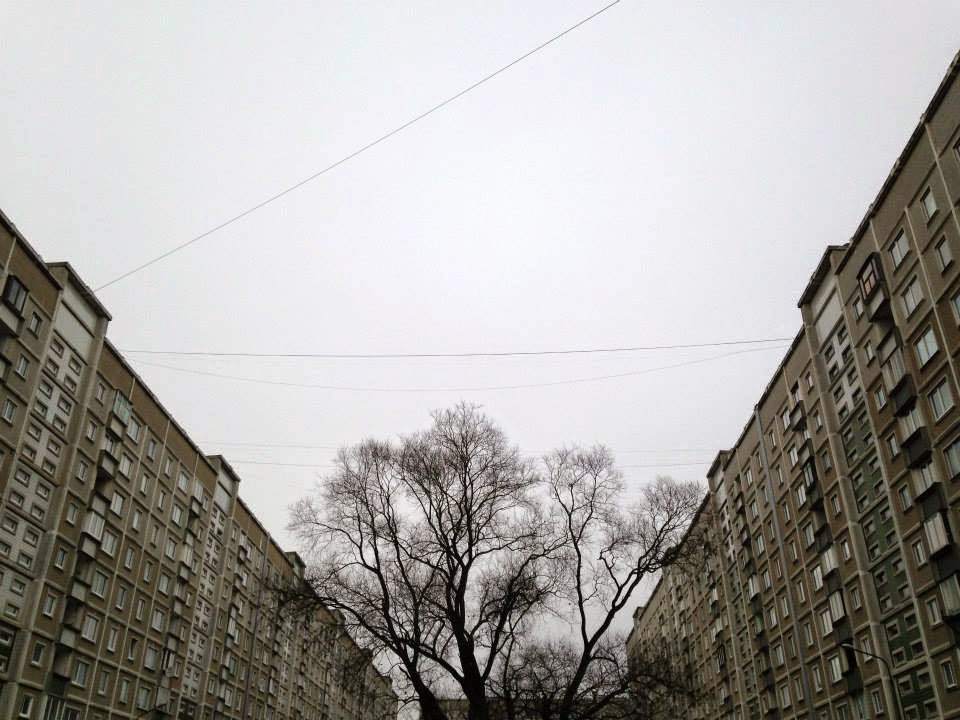
I get lost and walk through a maze of apartment blocks, cars and rubbish bins trying to picture the life of those living inside: an old-fashioned TV tuning the latest news from Moscow, a noisy white Dnerp-brand refrigerator, shelves stocked with pickled everything and a burgundy-red sofa underneath a rather outdated picture of St. Petersburg. One can always dream.
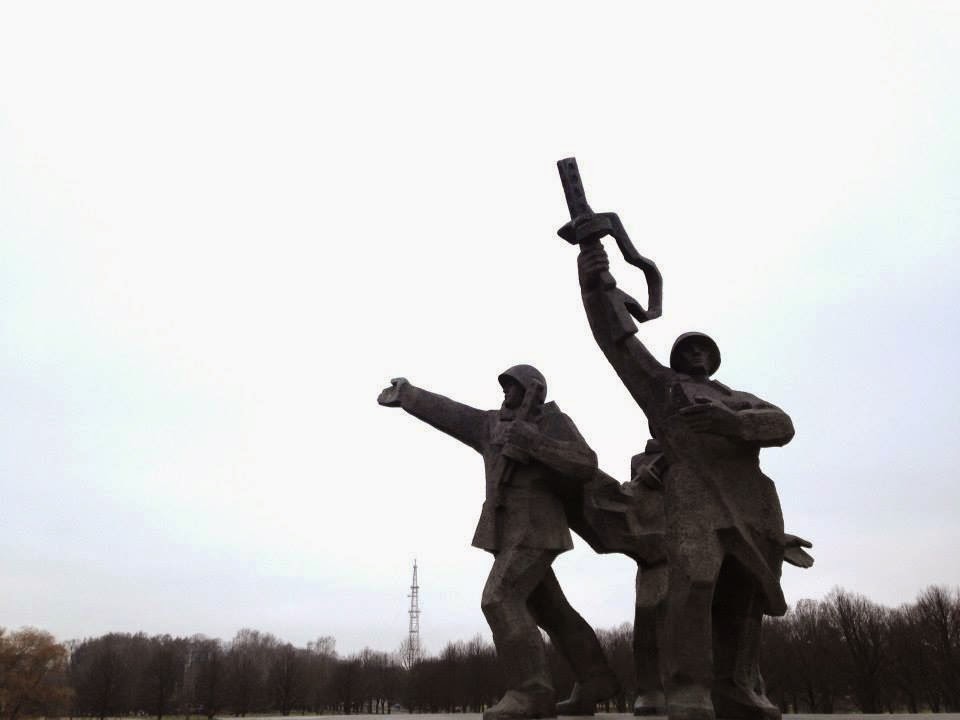
On the return leg and after a rapid Mc Donald’s lunch (romanticism momentarily over), I spot a train cemetery, the frozen lagoons of Arkadijas Park where two young dreamers are shooting a video and, almost by accident, I encounter the concrete-based Victory Memorial to Soviet Army.
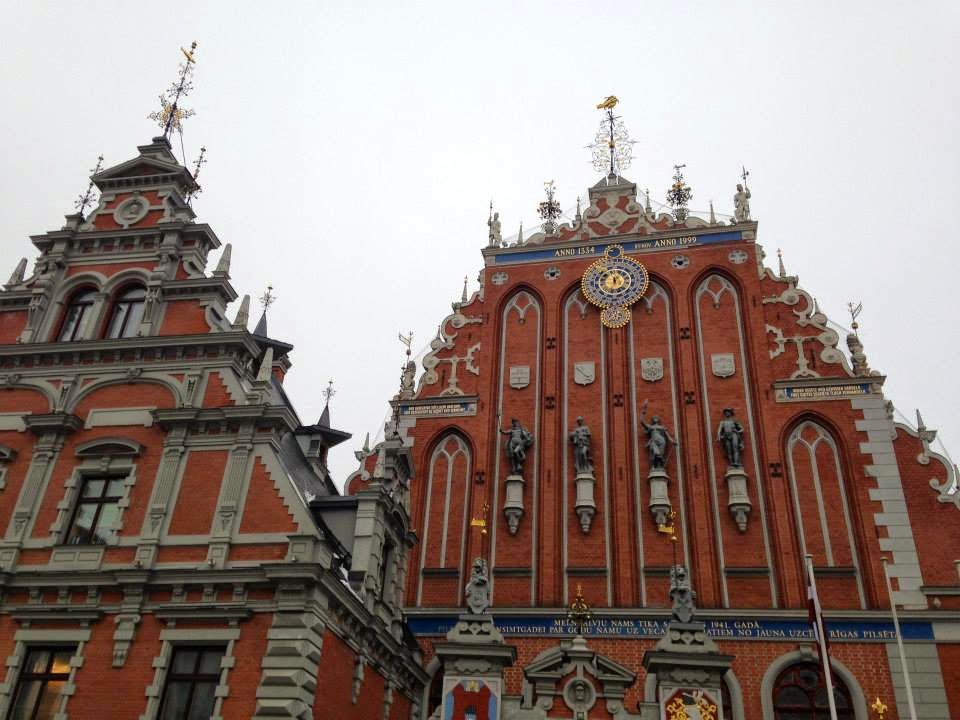
Old Town is last but not least, with the classic Riga postcard views: the colorful art nouveau House of the Blackheads, the St. Peter’s Basilica, Opera House and the Dome.
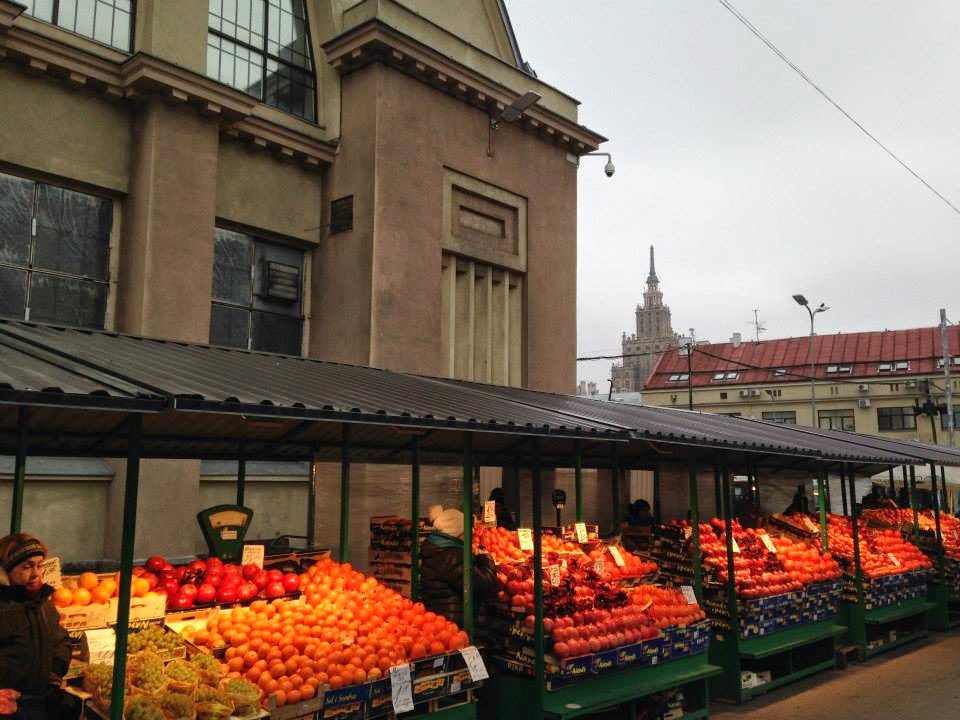
As if it wasn’t enough walking for the day, I venture across the underground passes to the main market, where fresh fruit are sold next to cheap falsified electronics, and fur coats are hanged next to night gowns and pink women underwear.
I visit the Latvian Academy of Science, kindly nicknamed ‘Stalin’s Birthday Cake’ due to its layered architecture and yellow bricks, which is also a building that can be climbed to the very top.
At the ticket office, the interaction seems bleak:
— Interaction begins–
– Me: Hello
– Ticket officer: Hello.
– Me: English?
– Ticket officer: Mumbles in Latvian, looks around and points to a sign in English with every single instruction possible on how to get to the top ,including which button to press in the lift.
— End of interaction —
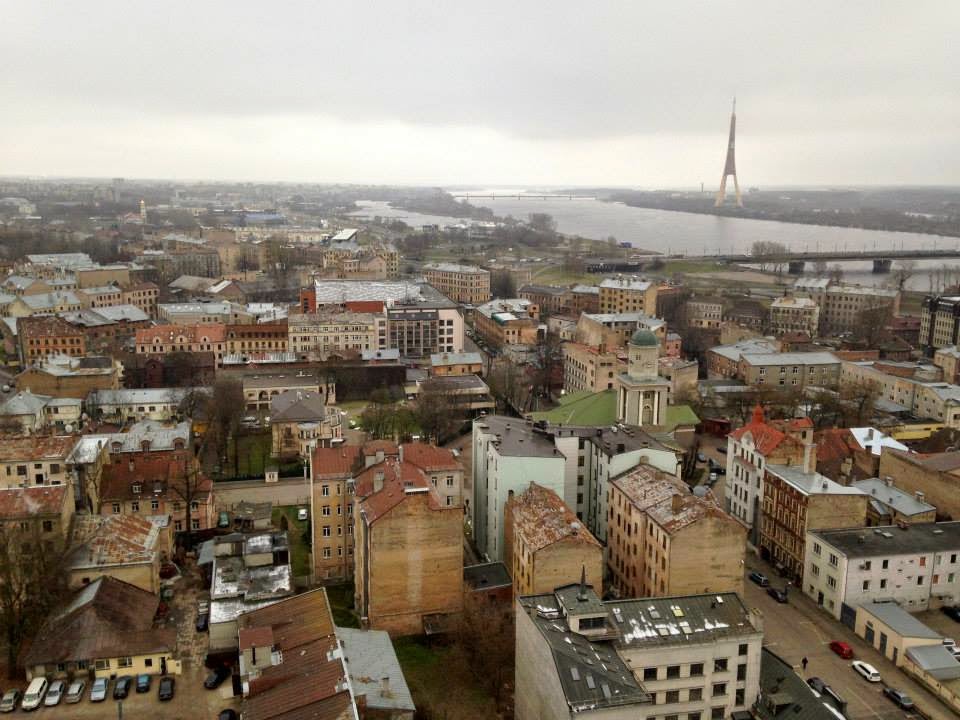
From the icy top, Riga looks like a foggy metropolis with a manicured Old Town just beneath and apartment blocks getting lost in the wintry horizon.

My last evening in Riga unfolds as I meet a local friend who used to live in Dublin. An opportunity to experience the hipster side of the city (despite being mainstream), which apparently has set a strong influence in the country’s young party schedules, Black Balsam-based drinks, cheap beers, shots and burgers.
We continue to one of his friend’s apartments located right in the ‘hood’ and where my ‘commieblock fantasy’ is somehow fulfilled because in the end, I had never seen a bathtub placed in the kitchen.
The rest of the night is a blur of beers, good laughs and a row of hilarious streamed Japanese TV ads before napping for a couple of hours and leave for the coach station.
I take the first bus out of Riga, sleeping and recovering from a hectic Latvian visit, waking up two hours into the road to a derelict border point and the sign that the trip has reached its final leg: Lithuania.
 THE FLYING CAMBA