
Dreams of swimming unfold at night. The chipped tiles expose decay against a tin roof that lets a cold and intimidating draft through, sending chills up my spine. Next to me, nine other competitors await their fate and jump at the very split second in which I wake up, the sunshine of the early summer morning materialising the day ahead: the series of flights to be taken, the destination to be later reached.
I am travelling for swimming. My new burgundy passport reads the word ‘EIRE’, instantly committing me to represent my new country high up in the pools.
As soon as the red-tailed-white-crossed Airbus takes off, we are served a small pot of granola with yogurt, small snack for our short flight to Geneva. The Swiss Airlines premise of a doable transit in thirty minutes is fulfilled and I swiftly join the queue of departing passengers to Moscow, followed by an exhaustive security and visa check, Russian style.
The Eastbound four-hour flight soars over the Austrian Alps, hovers above the colourful crops of Poland and the flatness of Belarus and finally overcome the heavy crosswinds that rock us into a late afternoon arrival into the Russian capital.
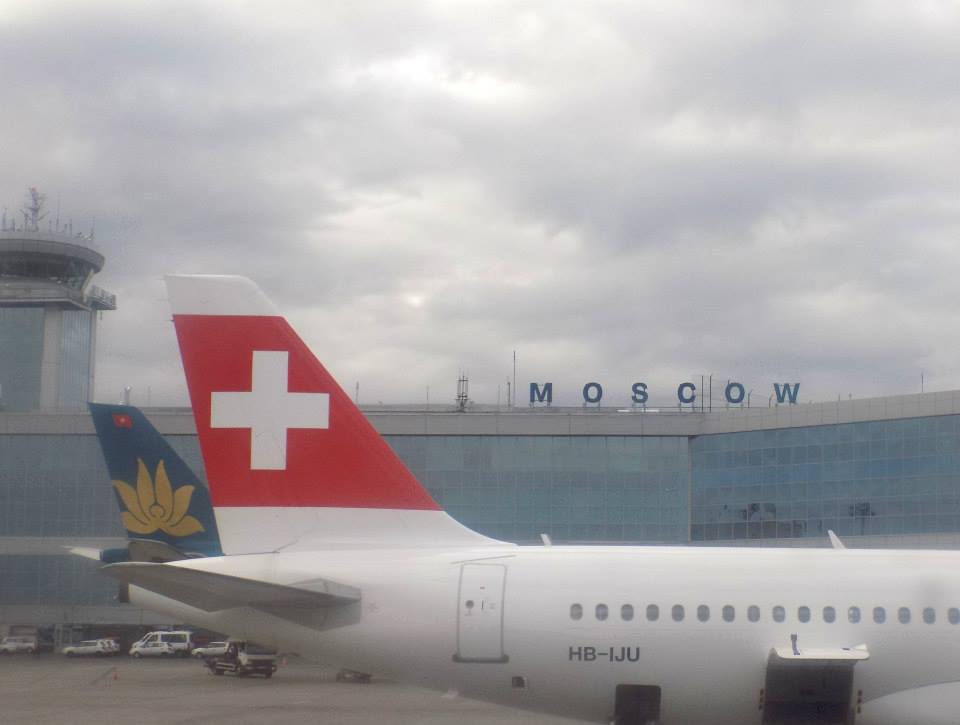
A ‘fast track immigration point’ has been setup by the swimming officials, the little eye contact made by the officer at times proving intimidating, my visa being checked against an UV light triggers a beep before being heavily stamped.
‘I have now officially entered Russia, my 75th country visited’, I mumble. Three quarters of a life travel journey completed. One third of my journey into Central Russia yet to be finished.
Domodedovo Airport is as massive as the country in which it is set in. Passengers from all ethnics and languages converging within its enormous wing-shaped roof.
A familiar sight seeing in truly international terminals such as Dubai, London or Singapore, most of these passengers are in fact queuing for domestic flights, for the Russian Federation is so big and diverse, that the most difficult names to pronounce are listed as destinations against the bright departure screens. Maybe I should consider visiting Nizhnevartovsk in the future.
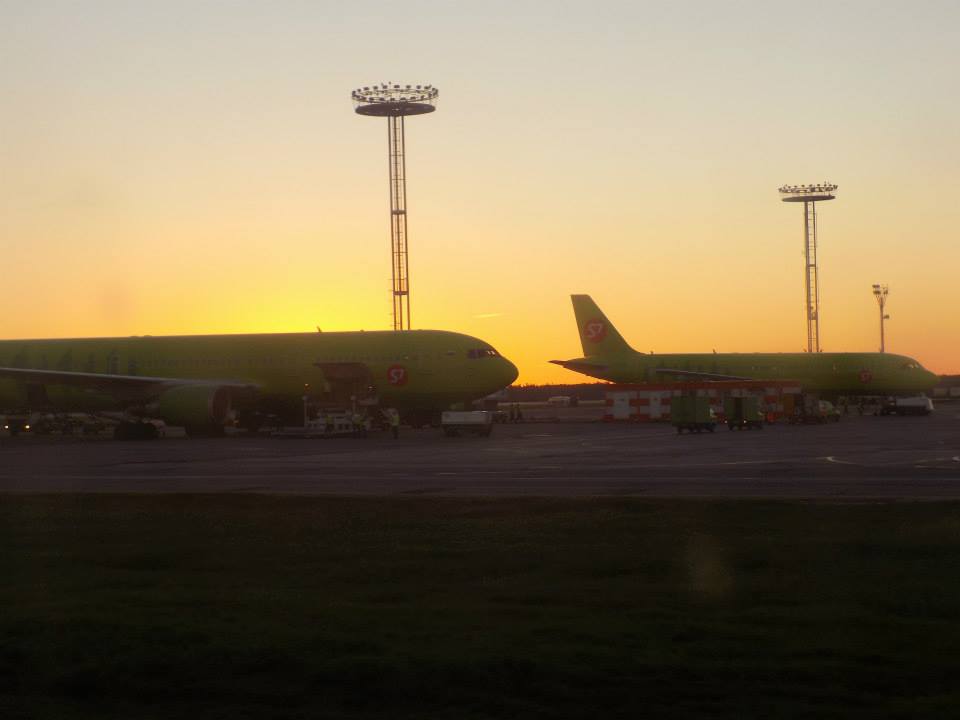
A ‘Siberian Orange’ dominates the sky and floods the dingy cabin on the small Transaero Boeing 737. In an hour, the smooth and disturbingly quiet flight travels through two time zones into the late night, landing in the Republic of Tatarstan fourteen hours since I left Dublin.
Once the last arrival of the day finally docks into the glassed terminal, I am greeted by two young locals holding colourful uniforms and a welcome sign at the luggage claim hall.
Competition mode is on, my heart racing faster when the bus pulls at the entrance of the Athletes’ Village. A thorough search of the luggage haul and bus undercarriage is done whilst a metal detector beep greets me into the building.
Stiff from the long hours just flown, I meet a fellow friend from South America and stroll around the village, the bleak buildings channeling a fresh Siberian breeze through, whilst the moon hides behind a thick layer of late summer fog.
Butterflies. No, bats. Bats in my stomach. A stomach-wrenching anxiety takes over my body in the morning, the luscious breakfast served in the nearby arena almost impossible to be eaten.
In a blur, a very familiar episode of promnesia follows:
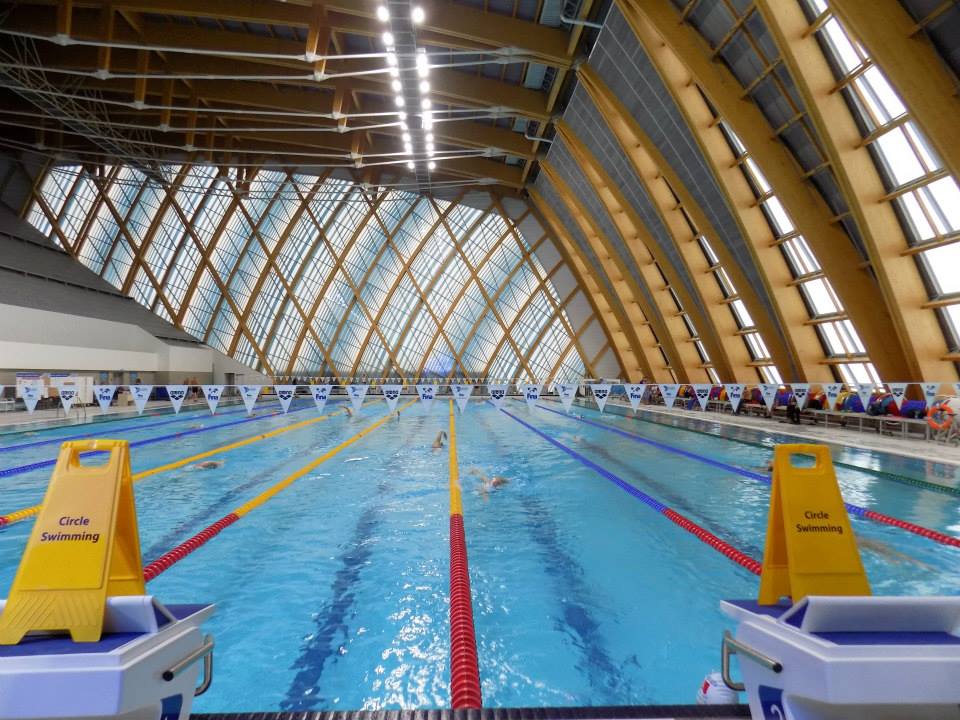
The morning bus transferring me to the competition venue, a flamboyantly-built arena resembling waves of turquoise water, the dampness of the main changing area, clenching jaws of equally nervous faces dipping in the water for a warm up, the prelude of the inevitable for everyone in the stretching area. We are all here to feel pain, to relish on it and to rejoice in its glory.

The feeling never goes away. Whereas is a local competition or the World Swimming Championships, my head instantly fills with thoughts and memories of training sessions, as countless as the LED bulbs that, by changing in colour, display my own name next to the Irish flag. A hollow silence is next, only a whistle can be heard before the muscles tense, the automated start squeaking at swimmers to jump, to do what we all came for, to feel some glorious pain.
‘Instinct make me jump and the sound of water bubbles is followed by a long sequence of ‘stroke-kicks and turns’ until I feel my right shoulder slowly succumbing to the effects of a long sprint.’
I touch the wall and look at the electronic billboard. Four lengths of heart-breaking breaststroke coming to an end. The end of the sprint, the end of the competition and the end of a season of training amidst the rush of my Masters degree thesis, a full time job and a very dodgy shoulder.
Swallowing the bitterness that has now invaded my stomach in shots of disappointment, I reflect on past issues, on those days I did not stretch properly, the negativity adding weight to my exhausted muscles and sinking my will to see the city ten feet under.
Nevertheless, and understanding it is probably the first and last time I will ever set a foot in Kazan, my friend and I make use of the free public transport made available to athletes. A beaten silver-painted bus sporting a small white plate in the front reading ’59’ is taken to the Kremlin, as previously instructed.
Little do we know that, despite the Kremlin being in sight from the arena, the bus would first head the opposite direction, launching us against a sea of endless ‘commieblocks’. The streets organised in grids of bleakness where dogs scavenge for food with the same lost eyes the elderly women stare with at their plastic grocery bags, their generation once accustomed to traces of communism now lost to the sound of pop-Russian music loudly listened by teenagers choked in skinny jeans and smartphone paraphernalia.
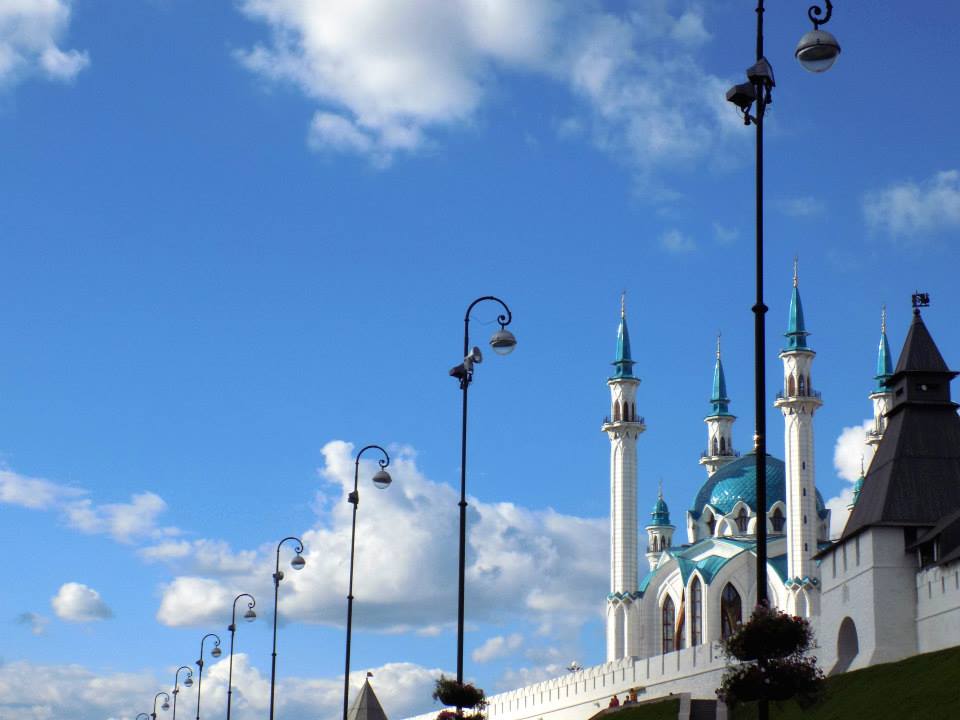
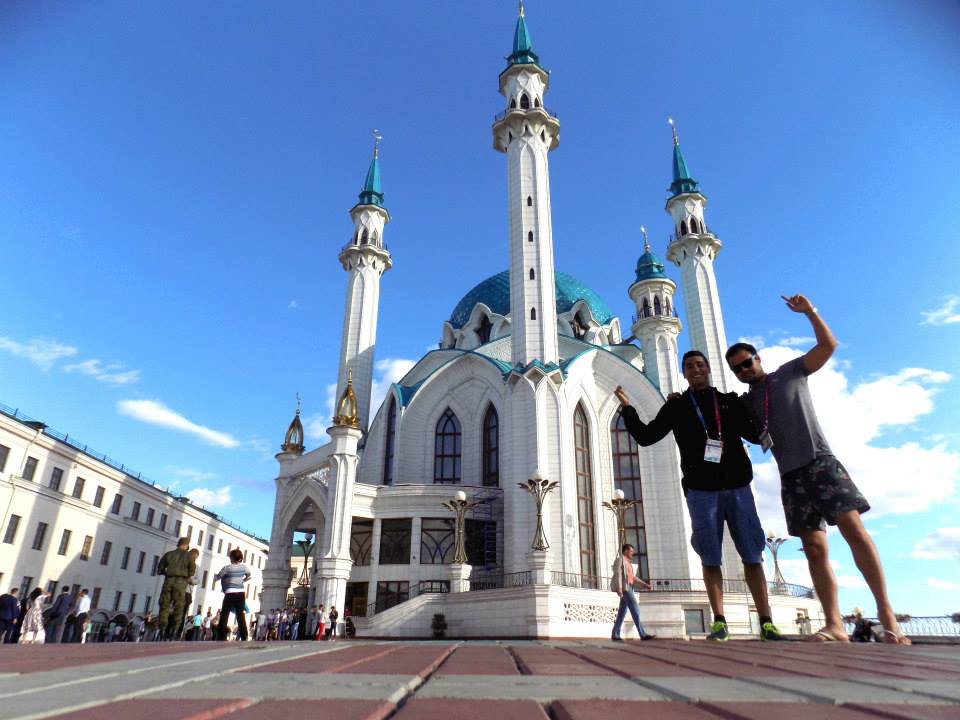
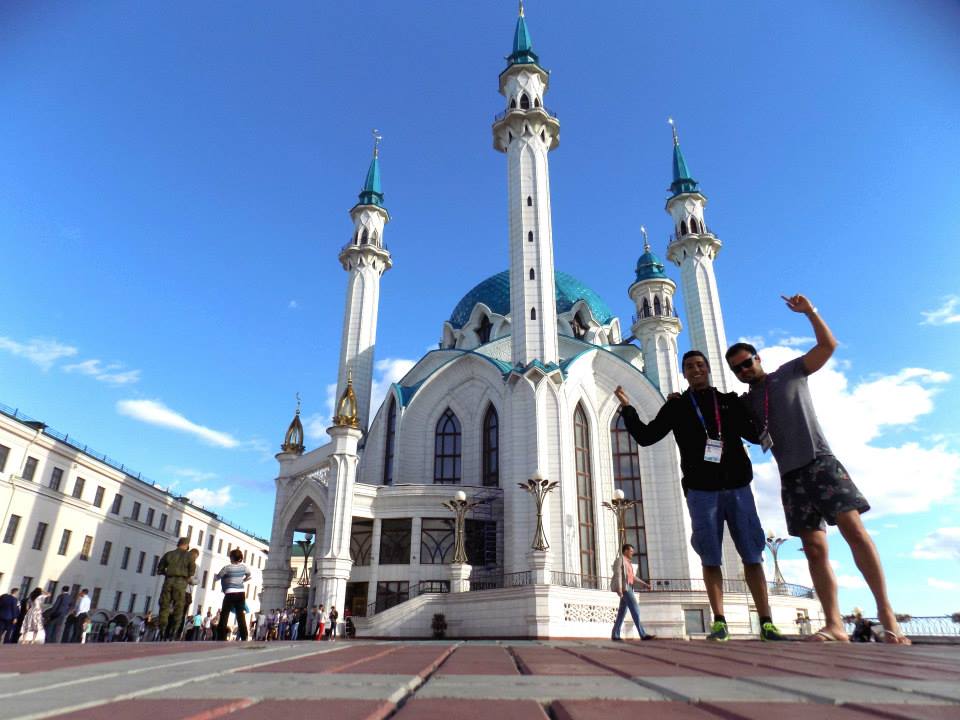
The Kazan Kremlin is the highlight of the city. A beacon of pure Orthodox architecture, it crowns the top of a hill silently sentinelling the watershed of both Volga and Kazanka Rivers, which dance in a turbulent confluence of cold water, almost too sacred for Russians to swim in.
Enclosed in caskets of thick white walls and turquoise-tiled roofs, the medieval complex was built in the 16th Century under the orders of ‘Ivan the Terrible’, his power and very own personal ego overthrowing the walls of the castle previously occupied by the Kazan khans, the new sandstone structure of Qol-Sarif Mosque and the heavily-worshiped leaning Soyembika Tower testimonies of conquest over the Republic of Tatarstan.
Distracted by the hours of sightseeing, my day in Central Russia finishes at the sound of a Peruvian flute, which is played loudly by male figures that seem to have originated at the very soul of a bad Village People music video. The kebabs are however, superb.
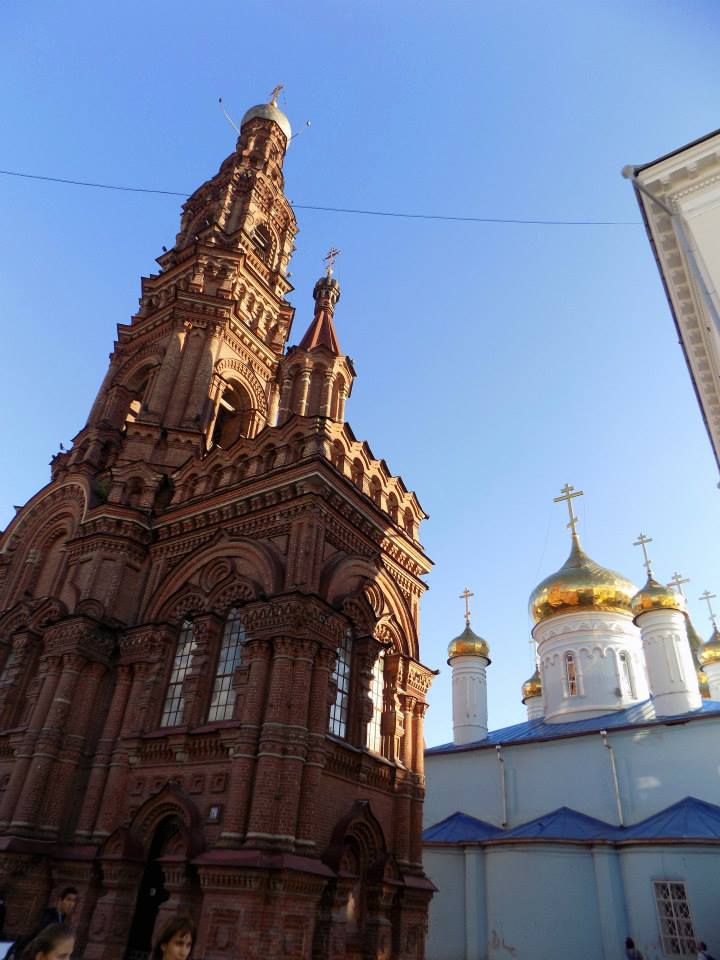
I feel further frustration. The hype of being a tourist greatly obfuscated by the apathy and aversion created after the bad swimming results. The city grows grey in colour and the weather closes in banks of thick fog. The Athlete’s village sees how the multicultural guests leave. One by one the buses take athletes to the airport and the train station, closing this chapter for most. Maybe for the best for me.
At the Kazan Train Station, an old lady asks me for a thousand Rubles. Her wrinkled finger points at a burgundy ‘VIP’ recliner and her raspy voice reminds me of my departing train every five minutes whilst I desperately try to charge my phone.
In loud Russian (and only Russian!), the loudspeaker announces the arrival of the train from Ulan-Ude. A long way from its departure point, the train is now due to roll through the last fourteen hours of its journey in the Transiberian Railway.
Inside the train, the spirits turn slightly happier. I can now be a tourist in one of the most enigmatic destinations on Earth. Transiberian train departing, I can now be once again myself.
 THE FLYING CAMBA