
What to make of one of the most neglected countries in the Americas?.
A place historically notable for coup-de-etats, social unrest, gang wars and natural disasters, a place that most tourists drive whilst undertaking the ‘Pan-American adventure’.
Indeed, the first time I heard about Honduras was sometime in my childhood, when scenes of the legacy of Hurricane Mitch poured through the media outlets, showing a country devastated by floods, mudslides, cholera and poverty-motivated corruption.
Shortly before boarding the plane to Mexico, I superficially grasped some current basic information about the troubled governments, corruption scandals and drug wars which have tainted the reputation of this country overseas, at the same time creating a fascination about the local life and combined with constant aviation geek-fueled views of mesmerizing footage of planes performing landings at Toncontin Airport, one of the most dangerous in the world.
The (lack of) information, as rare as a crisp two hundred Honduran Lempira note, provided the crossing the Honduran border with a tone of caution, of leaving behind the hordes of fellow backpackers and explore a place where not many stories usually come from.
‘The smell of petrol makes me seasick’, a girl exclaims. We exchange stares and smiles seconds before the small boat runs aground the silver sands of Playa El Burro.
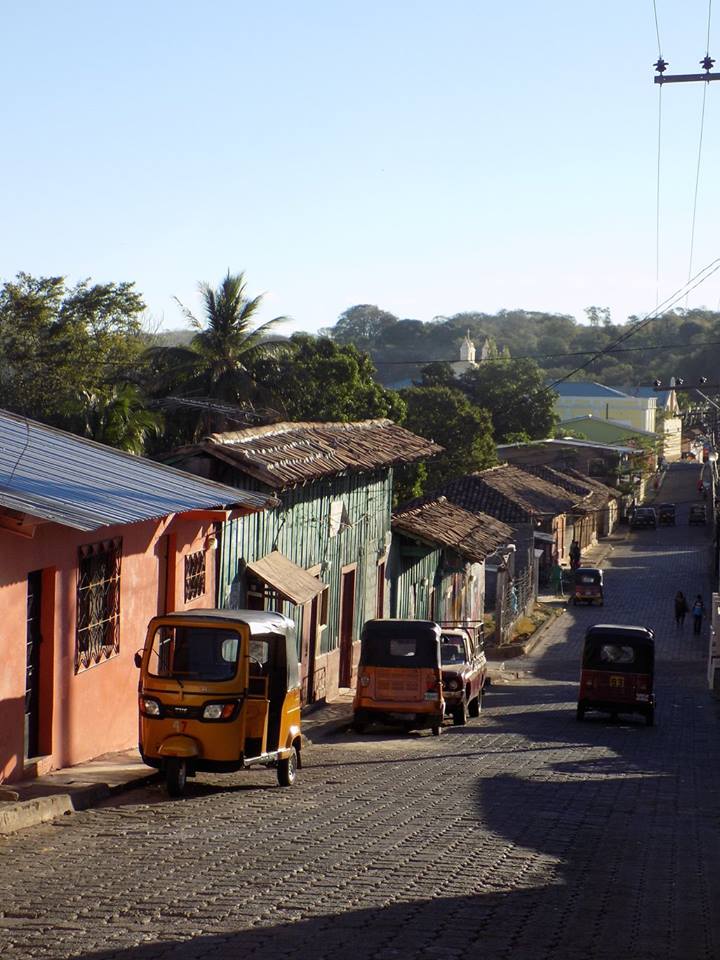
Rickshaw drivers approach passengers like piranhas in an Amazon swamp and, without much protocol, I am pushed into a cramped red ‘adapted motorcycle’ along with a family of two, my new local friend and four large boxes.
It is a fresh evening and the rickshaw pushes up and down a cobblestone road to the dazzling-lit village of Amapala, where I plan to spend the night at the luxurious Casa de las Gargolas Hotel.
The shiny new hotel, famous for its misplaced dark grey gargoyles overlooking a pristine pool area and wooden balconies is, like most tourist facilities in this part of the country, dead.
I am greeted by a lone TV, a pile of receipts and an empty hammock, whilst I unload my backpack and finally provide some rest to my shoulders.
A skint receptionist appears minutes later, promptly reciting hefty room rates and stressing on the lack of availability for the next night, also frowning at the thought of even touching a credit/debit card, immediately directing me into town for the ONLY ATM in the island.
It has been a long day and the drag of my flip-flops loudly scrape against the long cobblestone street, lined with wide open doors leading into the depths of colorfully neglected wooden houses just as testimony of a typical Friday night in rural Honduras: no flat-screen TVs or trendy furniture but instead, multi-function rooms in which 1970s ‘Frigidaires’ and kitchen appliances merge with melamine dining tables covered in plastic tablecloths and oak rocking chairs provide entertainment to adults having chats zealously surveilled by damp faded portraits of gone by family members.
To my surprise, the main square is bubbling with youngsters. Their faces glaring to the screen of their fancy smartphones, making use of one of the only spots in the island with free public wi-fi. Time to check my own messages and report my success (or not) in reaching this remote place.
To my disappointment, the only ATM in the island does not recognize my debit card and panic rapidly rushes through my veins.
Inflatable balloons and brand new fridges are hanged next to jumbo bags of popcorn in a relatively large convenience store next to the main church. My only salvation for the night, the only place with a ‘point of sale’ device.
As the machine dials and beeps ‘Approved’ on the screen, I am also offered an affordable room upstairs with available space for 10 people but for tonight, one person should be enough to cover the costs of using the hard bed covered with a light bed sheet and the hole in the bathroom wall dispensing cold water as a means of shower box.
Debit card accepted and accommodation paid for, I use the few U.S. Dollars I have left from El Salvador to enjoy my first ‘baleada’, a thin tortilla filled with white cheese and black beans, whilst browsing through my Facebook feed surrounded by the sound of tree leaves being brushed by the maritime night breeze and dozing off at around midnight whilst locals loudly call random numbers outside my window in yet another night of exciting ‘street bingo’.

My sleep is interrupted minutes before the sun rises, leaving the deserted island at my own little mercy, waving hello to dark skin-burned fishermen neatly tying up their nets and preparing their nightly harvest for sale, taking pictures of colloquially elaborate billboards and running away from territorial house dogs.
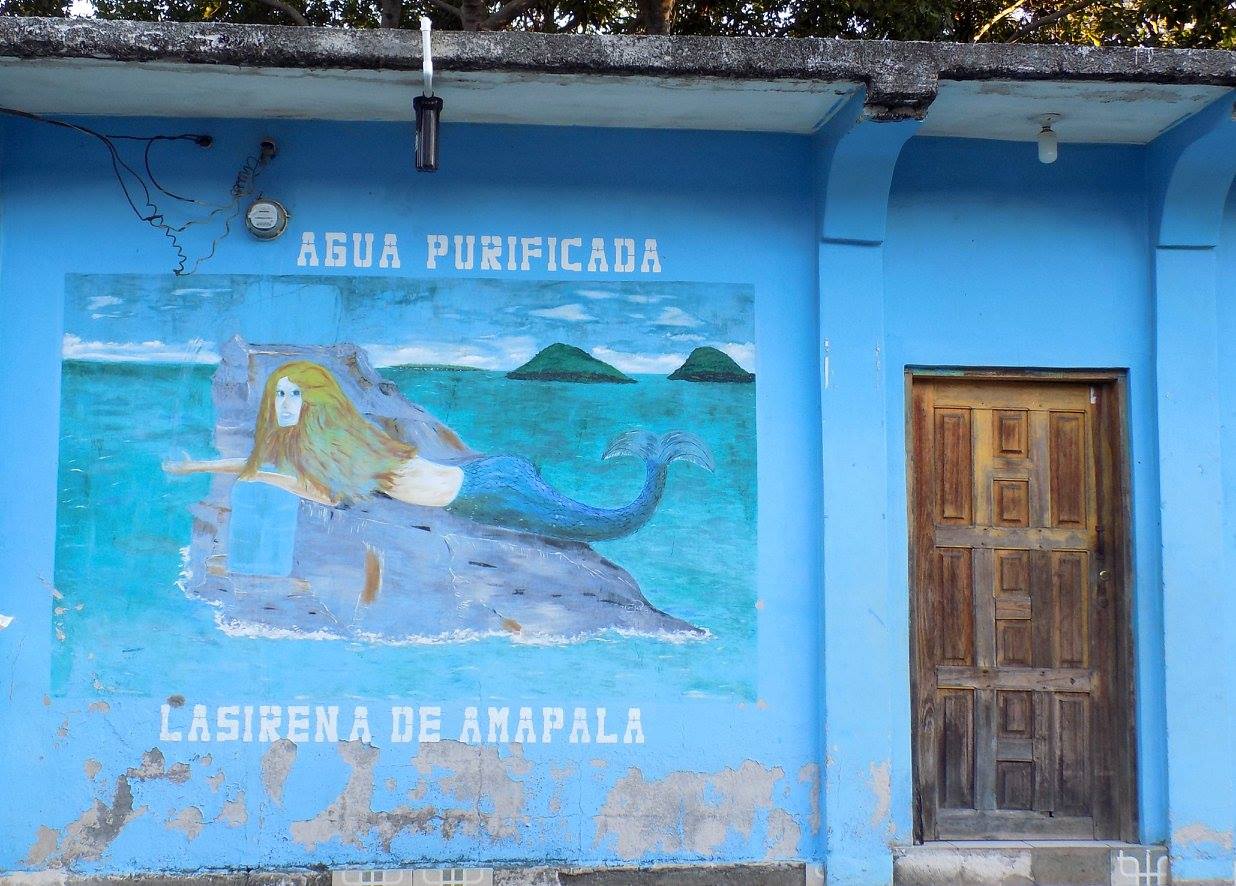
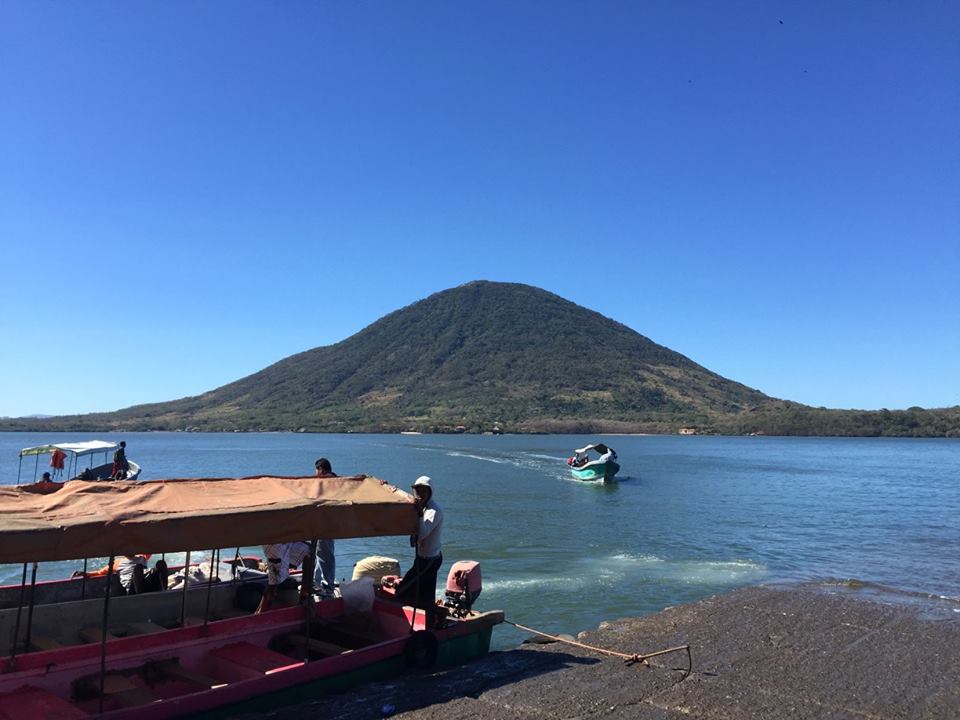
The sun rises and unveils a mighty cone-shaped mountain being caressed by the waters of the Gulf of Fonseca from every flank, adding a sense of deep remoteness to this serene and friendly place.
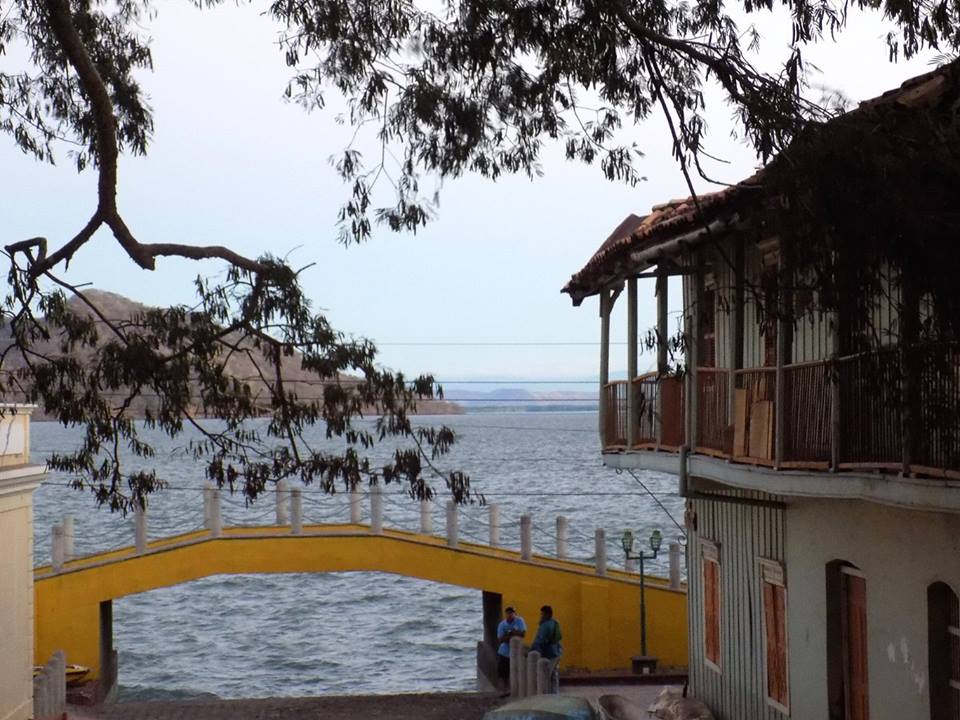

Another ‘baleada’ for breakfast before setting off to the brand new ferry port and wait. Wait for someone else with a will to make it to mainland, wait for minutes, perhaps hours, perhaps for a boat owner who wants to make an extra buck, because this is the main thing about Honduras, it is a daily fight for simple things in life.
I leave for mainland on my own ‘private boat’, leaving the volcanic island behind, minding that the two U.S. Dollars left in my pocket should buy my way out of the country and with luck , a bottle of cold refreshing water.
A ‘chicken bus’ awaits in Coyolito for a journey colorfully tinted by a young girl who swiftly asks for my Facebook a few minutes before we reach our final stop at San Lorenzo, immediately connecting to a comfortable bus full of sleepy commuters traveling from ‘Tegus’ and bound for Choluteca.
Choluteca makes no sense. An intricate set of paved streets embedded in the middle of a hellishly hot and dry plain, a place only apt for connecting buses.
The ‘Town of Honduran broken dreams’, perhaps accurately translated through the dark brown eyes of a smiley 15-year old, dazzled by his lifetime desire of living in the United States and expressed on an eager attempt to speak English with me, momentarily leaving behind the reality borne by his shoulders, now tired of selling sweets and bags of mineral water at the makeshift bus station. One day.
Dust is left behind. The streets of Choluteca join the Pan-American Highway which, at the section connecting the town/city to the Nicaraguan border, is infested with monumental potholes.
The bus constantly swerves to avoid them, whilst the sideways bounce of our heads, worthy of a children fair ride, incite an apology I’ll never forget:
– ‘Look at this dilapidated bus, look at this joke of a road. Honduras is bust, a shambles, I apologize for my country’ –
A wavy-haired, over-perfumed local woman whispers through her crooked smile, sealing my short visit to a land in which I did not see a single sign of violence but instead, I saw a pure sense of resilience from people that would make a living with whatever is available, with the widest of the smiles and the brightest of the eyes.
 THE FLYING CAMBA