
The beaten up bus continues swerving side to side through the main highway whilst just across the narrow corridor, sticking his head above a pile of merchandise wrapped in black polystyrene bags, a large young man wearing a thick black rain jacket (oblivious to the nearly 40 degrees Celsius temperature outside) acknowledges my presence with a steady stare, seconds before his lips gather enough momentum to engage into a conversation in which he proudly states his Nicaraguan origin, shuddering at the explanation of this fortnightly commute between his workplace in dangerous Tegucigalpa and his sweet home in Chinandega, some two hours away from the Hondurean border.
At midday, the bus pulls next to a house in an almost-deserted dusty village taken over by stray dogs covered in scabies, and the short queue at the poorly lit immigration office means our passports are stamped out of Honduras in no time, followed by a short walk through a tall Japanese-funded bridge into the last country to be conquered on this trip, Nicaragua.
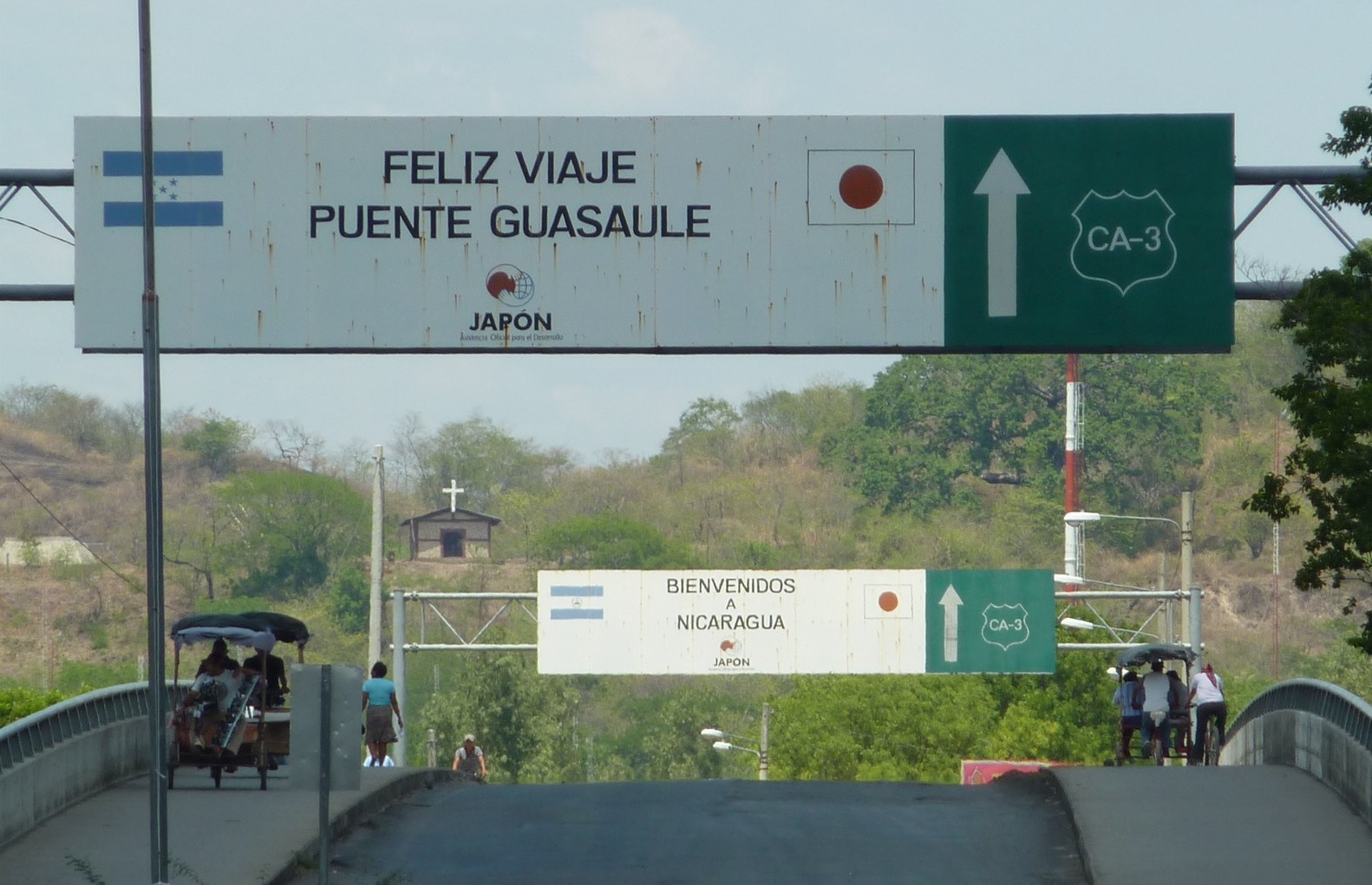
Nicaragua is regarded as one of the safest countries in Latin America, a statement over-reinforced as soon as one sets a foot on their side of their bridge where two sturdy border police staff relay the checking bags/checking passport stamps tasks, noisily asking details about previous trips.
The second ‘filter’ into this country is the health control in which some sort of ‘temperature machine gun’ directly aimed at one’s face checks for possible signs of fever and, if clear, a white little stub is glued onto a passport page.
Next is the passport control in which two queues are formed around a circular air conditioned booth in which three officers work hastily filling out details on large computers.
A white sign announces the USD 10 charge for foreign tourists entering the country, carefully placed next to an unlikely-located bank branch.
‘No problem’ – I think, after remembering I have no cash left whatsoever.
‘Not happening’- my debit card later claims as verdict.
With no means of crossing the border, and stuck in a limbo between already exited Honduras and impossible-to-enter Nicaragua, thoughts of spending a good amount of hours at the border, returning to Honduras or even selling some belongings ramble through my head, moment in which the large Nicaraguan man pulls some Lempiras out of his heavy rain jacket pocket, exchanges them for a crisp USD 10 note and hands it to me, whilst I speechlessly pay for the entry fee and manage to get my passport stamped into the country.
I breathe in relief, I am desperately craving for a bottle of water but I keep my mouth shut, trying to settle into the new country and most importantly, trying to forget the sour experience of clearing my entry into it.
My new friend pays for my bus ticket with colorful plastic-made Cordobas and a long chat about Nicaraguan left-wing politics, as you would in Central America, swiftly takes us through soft plains conquered by a well-maintained highway which graciously links the border in Guasaule to the city of Chinandega.
I find true joy at the sight of colorful ATMs lined up at the air conditioned convenience store in Chinandega, where I withdraw plenty of plastic-made Nicaraguan notes, buy a much needed bottle of water and give my friend a crisp USD 20 note whilst hurtling over a plentiful fried chicken meal in gratitude for his company and friendship.
My new friend is now home whereas I must continue heading East. The previous episode has drawn a massive smile on my face and my comfortable one-hour journey to Leon is filled with imaginary images of a winter in Minsk as narrated by a fellow older passenger who spent three years in Belarus learning the mysteries of drill and lathe machines right when the Soviet Union was a superpower and Central American Communist governments sent waves of youngsters overseas to ‘rebuild the countries’ and learn productive skills.
Excitement is highly felt when the white minibus is surrounded by the mess of the haphazard bus station in Leon.
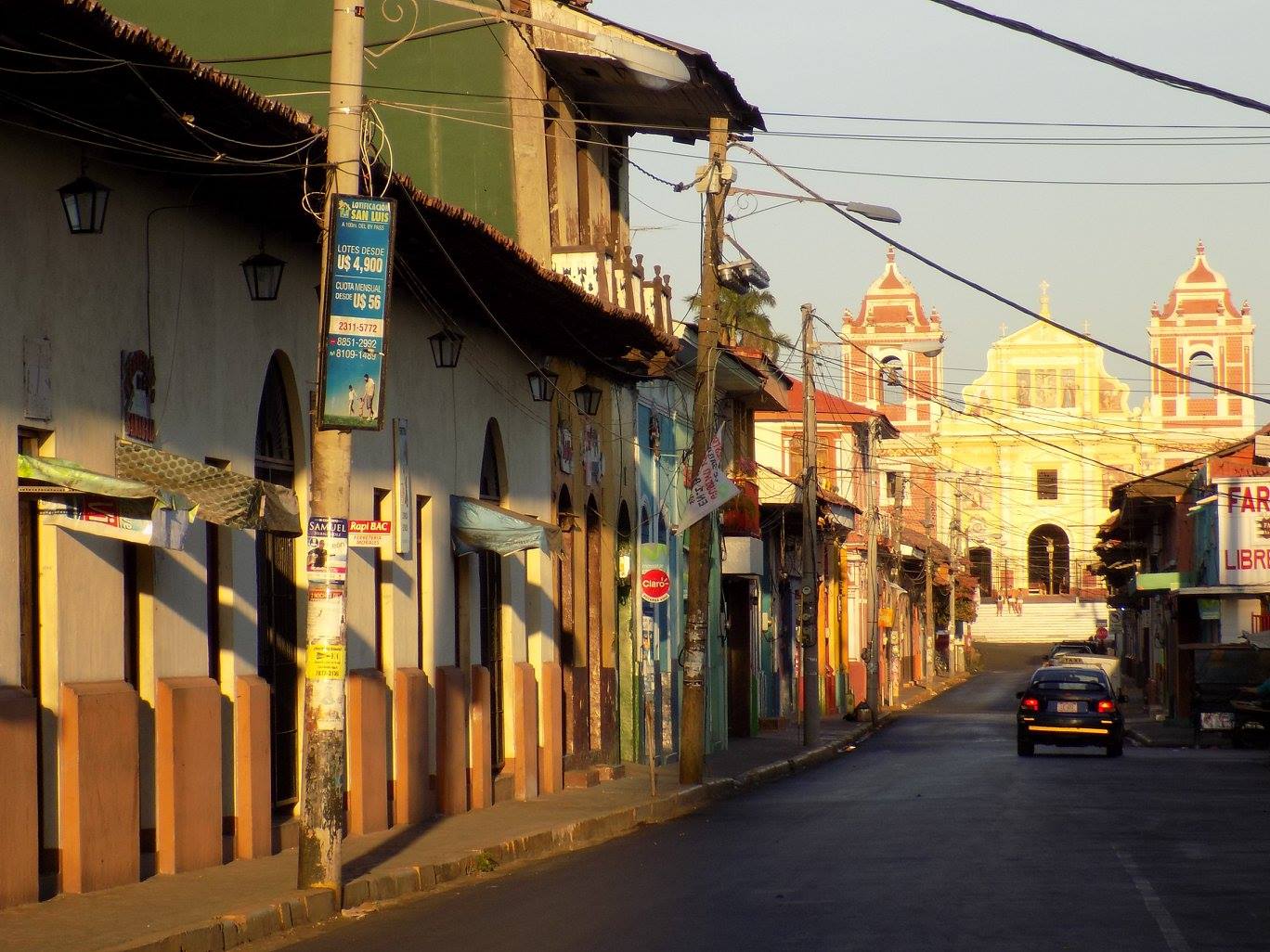
Whilst I sip on a half-frozen bottled apple juice, I try to find my way around the brick-layered streets into the city centre, a street landscape changing rapidly from ‘grubby suburban’ to ‘Colonial chic’ within a matter of five minutes.
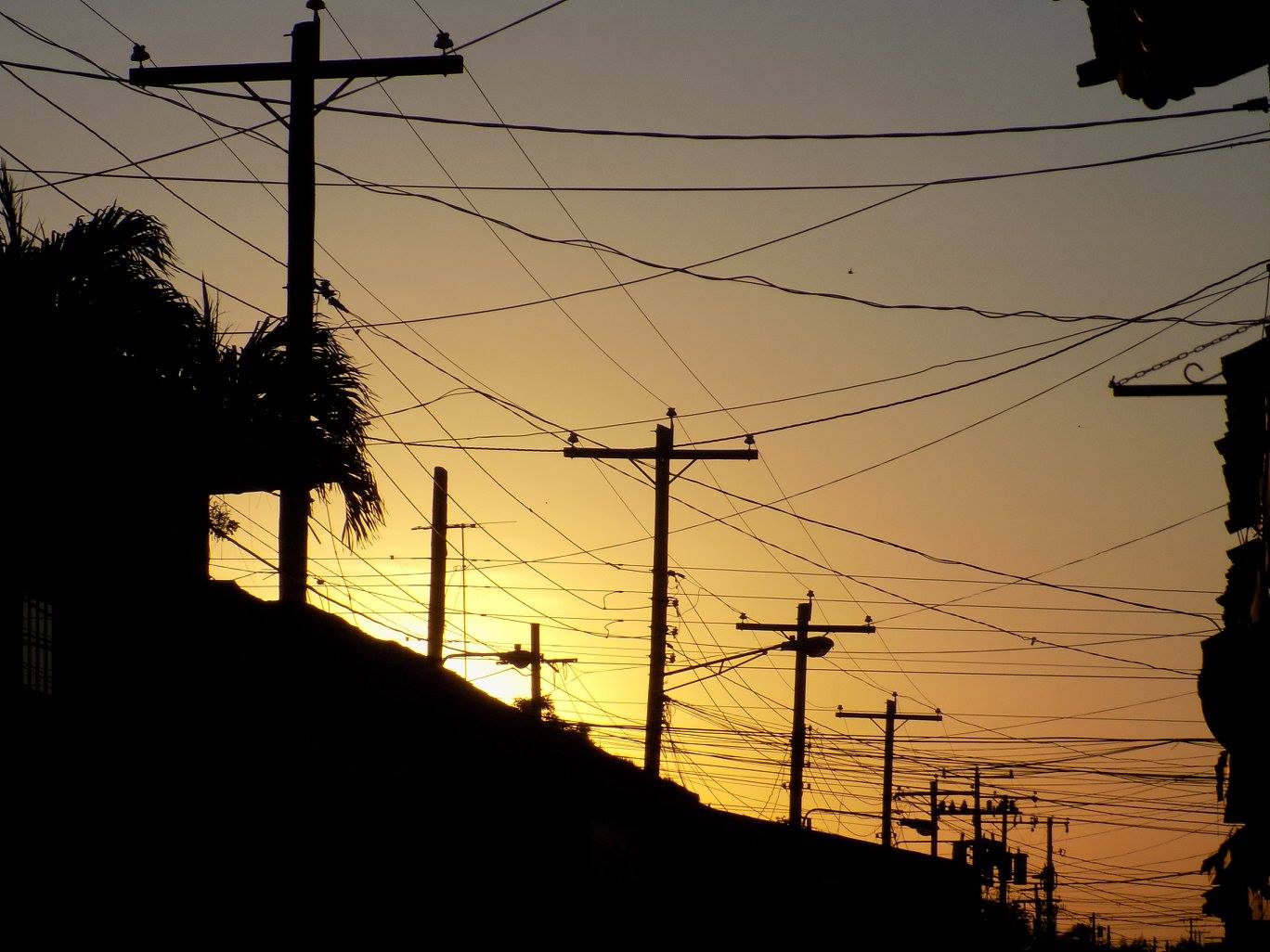
This is Leon, a backpacker’s paradise in which hipster restaurants alight with noisy hostels, conveniently embedded in a whitewashed street scenery that has not changed in over 500 years. Exciting, yet quaint, just enough to keep you happy for a few days.
I glance through my Lonely Planet guidebook and spot the name ‘Lazybones’, a hostel which a few streets down the road serves as pure rewarding indulgence accompanied with a bottle of cold Toña beer by the small yet refreshing swimming pool.
The evening is spent in the main square chugging on small bags of green mango sprinkled with salt and chilli pepper, quenched by a large freshly-made smoothie, whilst a summer music concert blasts through the trembling windows of adjacent whitewashed buildings covered in revolutionary murals.
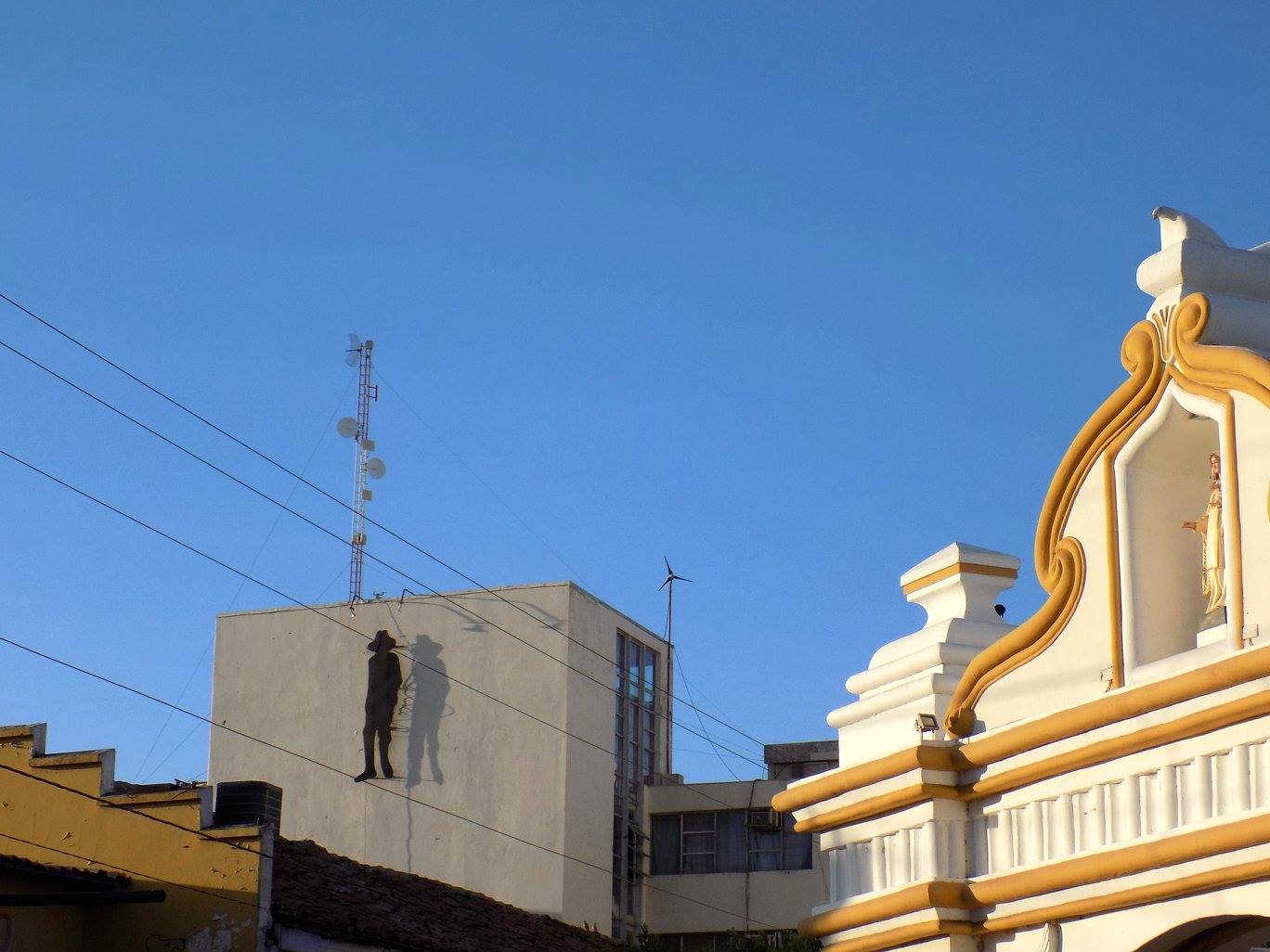
The relative comfort of my hostel bed is void by the noisy adjacent street. Nevertheless and despite having slept only a few hours, I am joined by six fellow guests the next morning at the lobby, sparking the typical self-centred presentation about oneself, and boarding a safari-like Land Cruiser which takes us out of the city and, through a grey dirt road, to a Nicaragua frozen in time, splattered with oxcarts, corn crops and dirt walled houses.
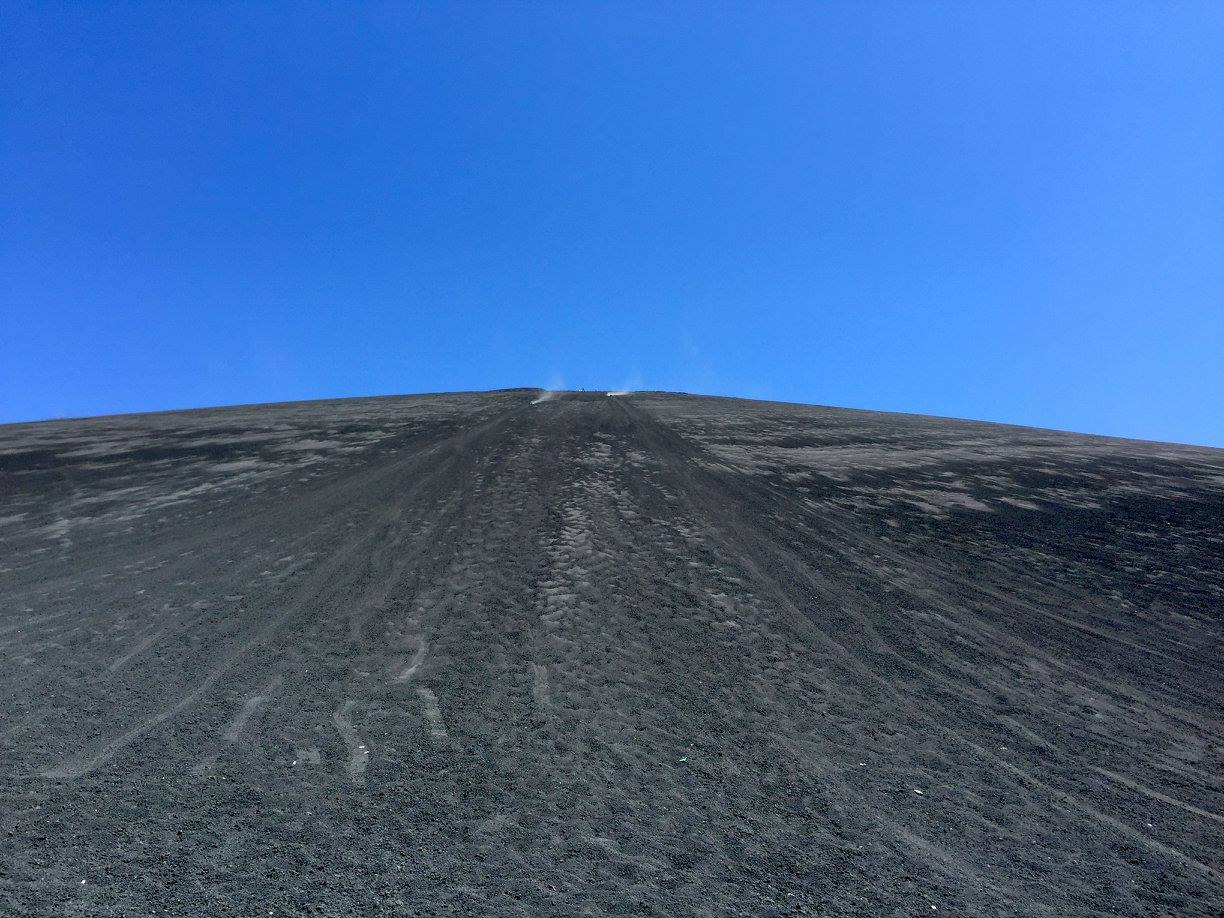
Behold the Cerro Negro!
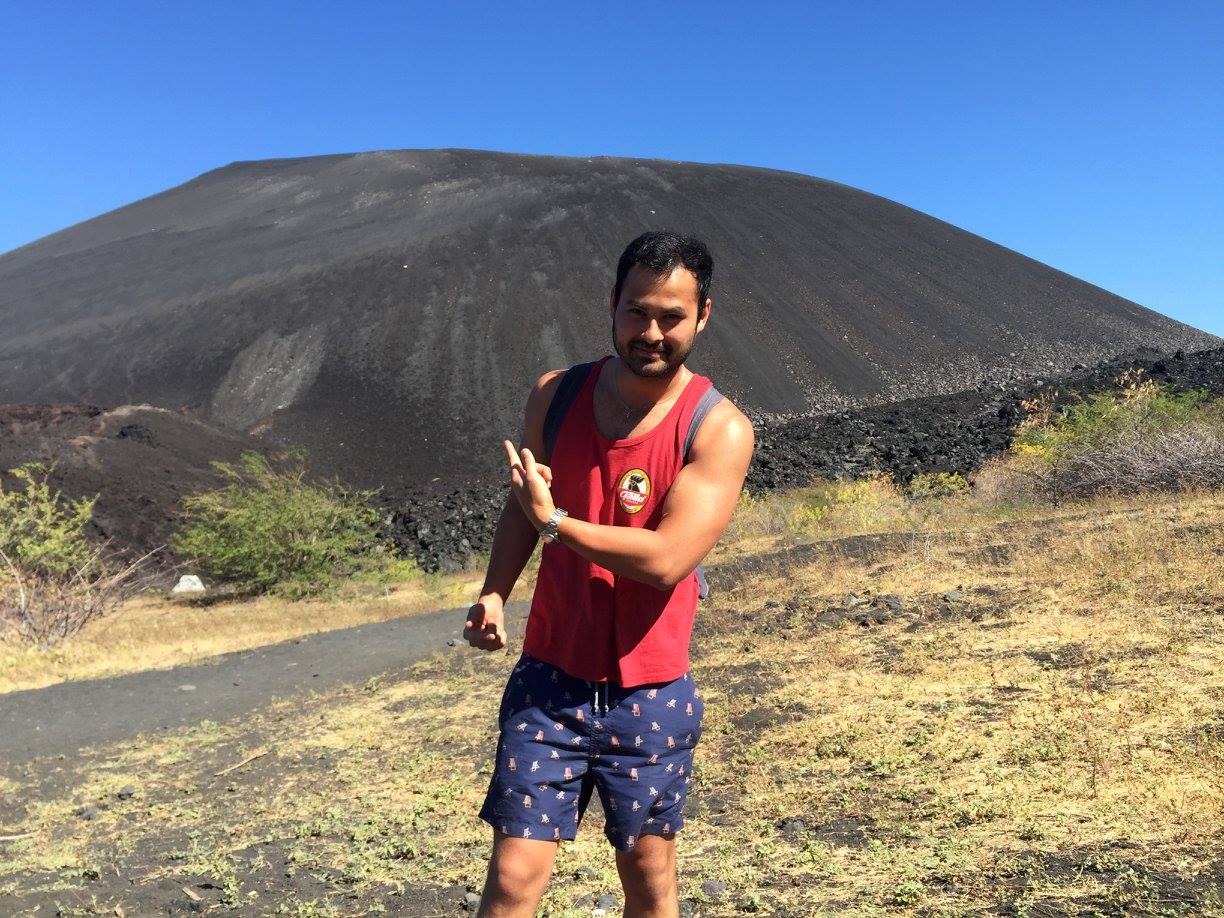
Rising 728 meters over the hot flat plain, the hunchback-like Cerro Negro’s top is conquered with a 45 minute hike through a narrow pathway covered in sharp and loose volcanic stone, whilst strongly holding colorful flat pieces of wood with both arms, unsuccessfully trying to convey in terms with the powerful gusts of winds blowing from the steamy and geologically active surroundings.
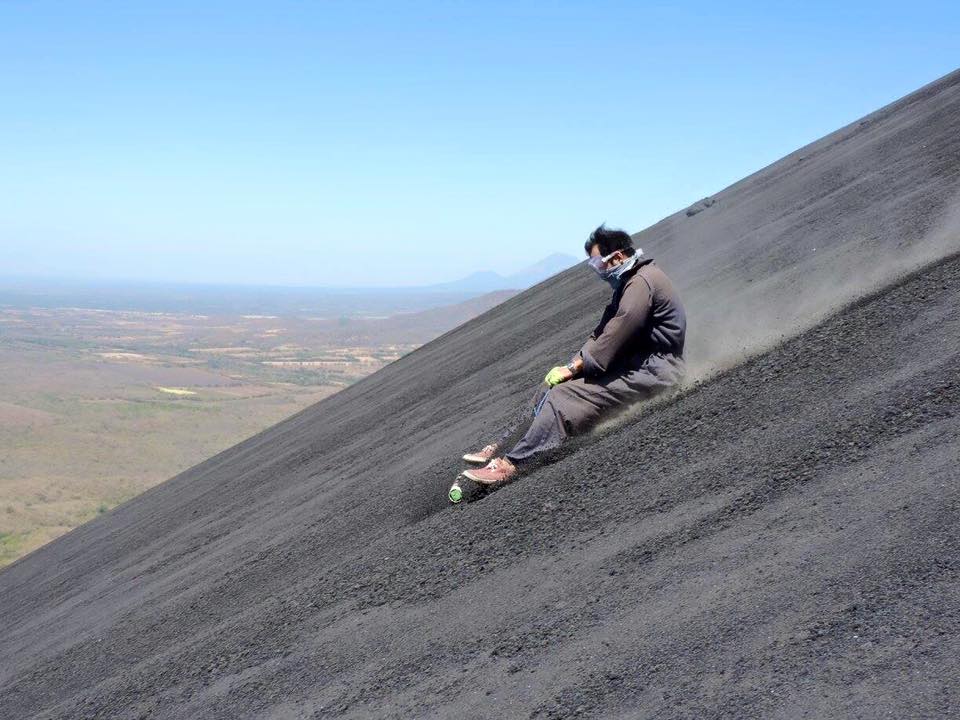
The aim of this ascend? To change into dusty baggy jumpsuits and slide down the side of the volcano in some sort of smooth gigantic slide carefully shaped by nature and lava eruptions on a forty-five degree angle.
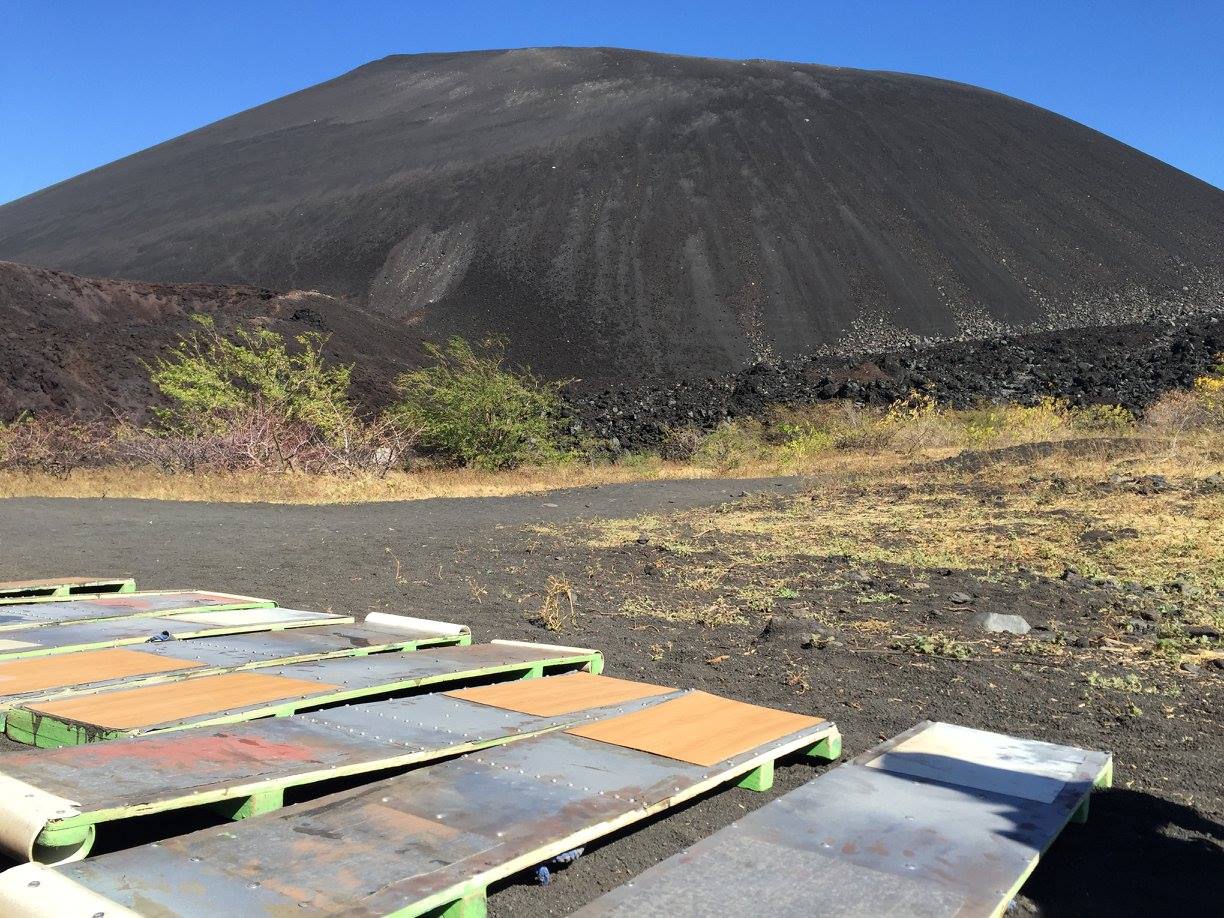
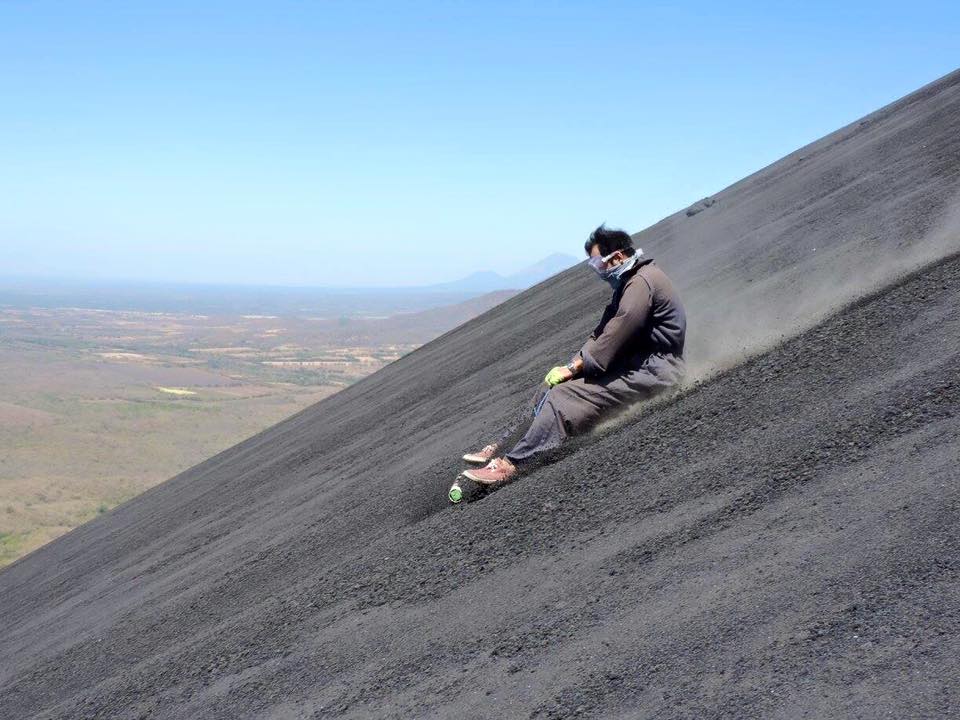
A short briefing on safety, as well as leg positions ‘show-and’-tell’ demo are performed. My heart start racing faster as I ride the precarious wooden board.
The speed rapidly increases to over fifty kilometers per hour in a descent that takes about a minute, with volcanic debris impregnating the desperately grasped stale air. Adrenaline invades my every muscle and volcanic ash covers any piece of exposed skin with a thin layer of dust whilst my shoes fill up with small sharp rocks rendering them useless after this peculiar excursion.
Once the ash-filthy group return to Leon, an afternoon of sipping on small bottles of beers by the hostel pool is at moments interrupted by the sound of thunders, despite the clear skies. I later learn that the nearby volcanoes were erupting, creating this particular sound which echoes through the hot Nicaraguan plain.
The fresh evening breeze invites for an outdoor dinner at the local market, where young girls in stained white aprons sell all sort of pungent grilled meats accompanied with rice, beans and plantains in a hazy line up of chipped wooden tables laid on the street, lit by kerosene lamps.
Plans for the next (and last) destinations of the trip are drawn with my new travel companions from the Benelux area whilst we chew on juicy pieces of beef and drink bottles of ‘roja’, some sort of poisonous and highly sugary red-coloured soft drink.
A loud truck drives by, spraying a cloud of foul-smelling insecticide which aims to kill Zika virus-transmitter mosquitoes, numbing the energies for the evening and closing my time visiting the colonial town of Leon.
 THE FLYING CAMBA