
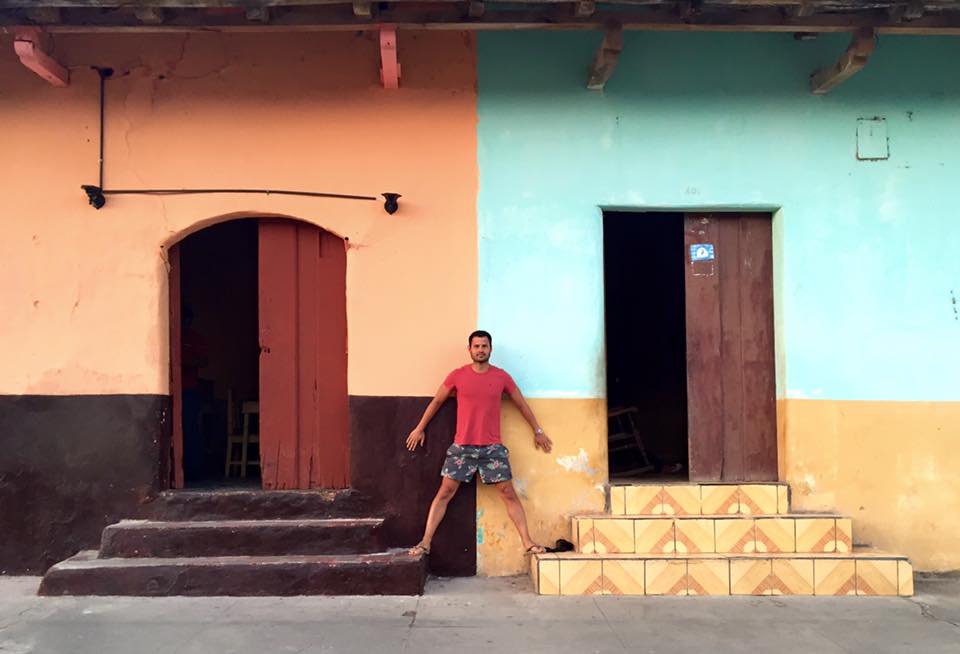
A sweet smell of ripe banana overexposed to the scorching morning sunshine intoxicates the air whilst my arms swing my blue backpack from a small old taxi into a leaving ‘chicken bus’.
No time to waste this hot early morning in March. My friends and I have decided to leave the busy streets of Leon and head South through a road winding down plains in which thorny trees stand lonely only crowned by chunky black crows.
In less than an hour, the chaos of suburban Leon is remarkably replaced by the colourful wooden shacks of Poneloya, a backwater town caressed by the waves of the Pacific Ocean roaring from the distant reef and invading the ramshackle stilt houses from below, like some sort of private sewage system.
We pay a dollar each for a 15-minute boat journey through a shallow mangrove blooming with wildlife in the low tide, almost untouched by the human hand except for the battered wooden sign with colourful prints at the shallow beach where the speedboat runs aground to a waiting oxcart.
My plans of making it to the Pacific Coast had materialised the night before during a conversation around bottles of local beers. Despite having no reservations, an urge to venture to the coast once again was not to be resisted.
The remoteness of The Surfing Turtle Lodge is only broken by an assortment of blond-haired heads, overly-sunburned skins, english signage and relatively good wi-fi.
I am offered a tent for my stay, which I reluctantly accept when setting up camp in the scorching grey sand whilst the sunshine cooks every possibility of human life within the small polyester confinement at midday.
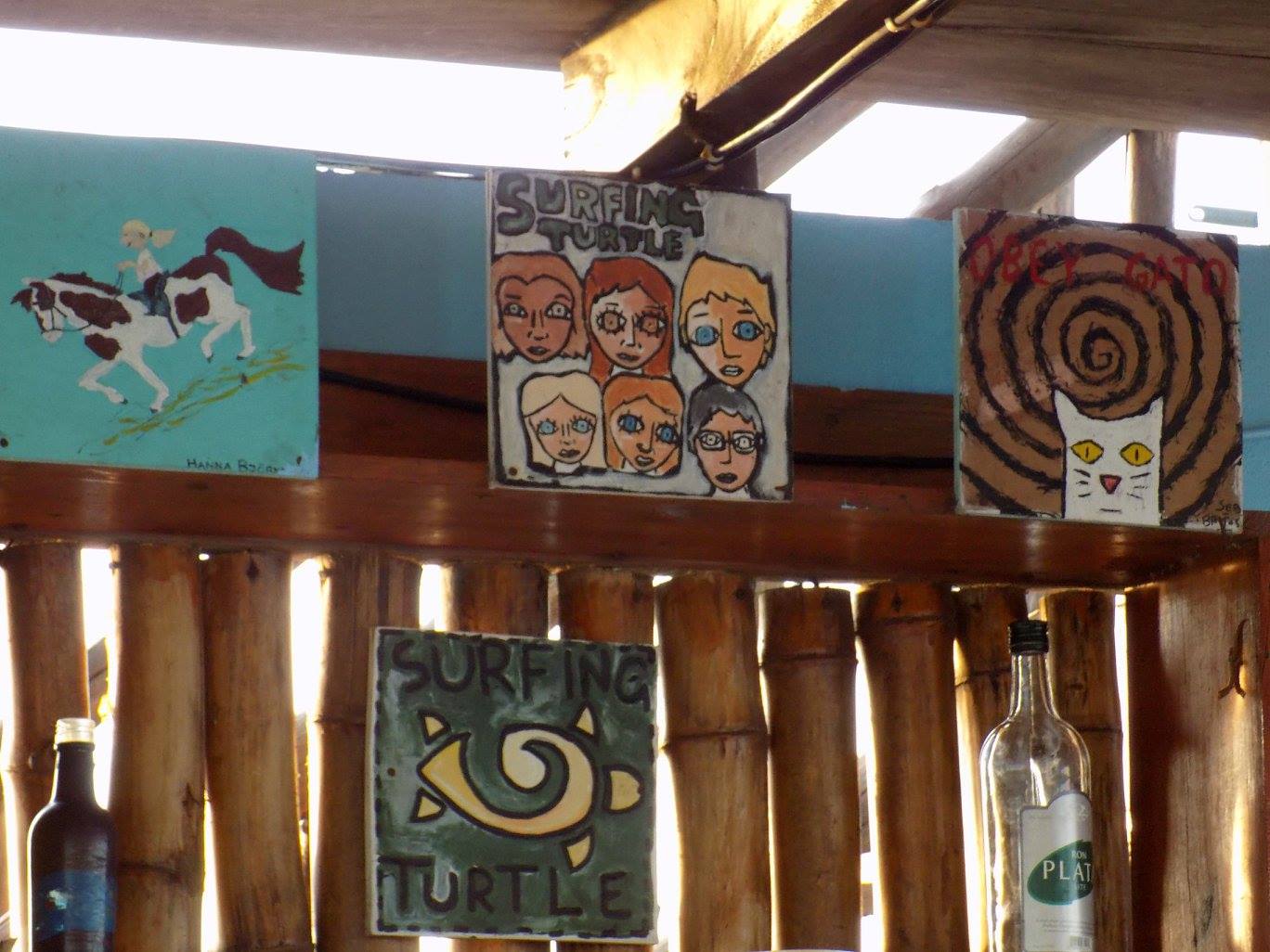
The Surfing Turtle Lodge, born as a self-sustained ecological project focused on the conservation of sea turtles is somehow idillyc. No food can be sourced from the outside world, so a tab is created for every guest, which makes ordering food easy yet very pricey. Think about a slice of fresh avocado seasoned with the price of money.
The beach might not match the turquoise-coloured magazine-worthy paradise of Yucatan, but the swell makes up for perfect and steady surf in a water which temperature and pristineness can only be described as absolute perfection.
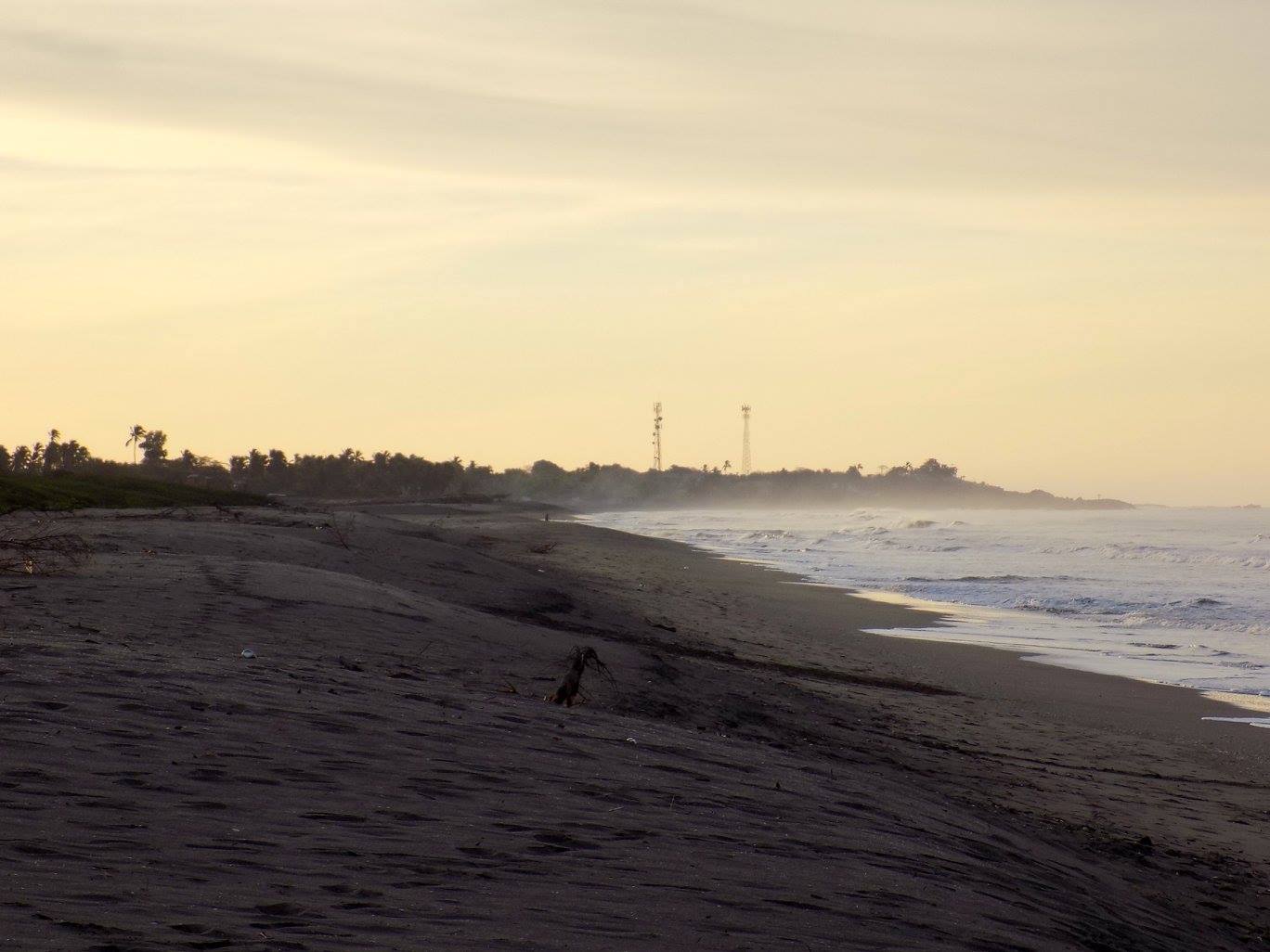
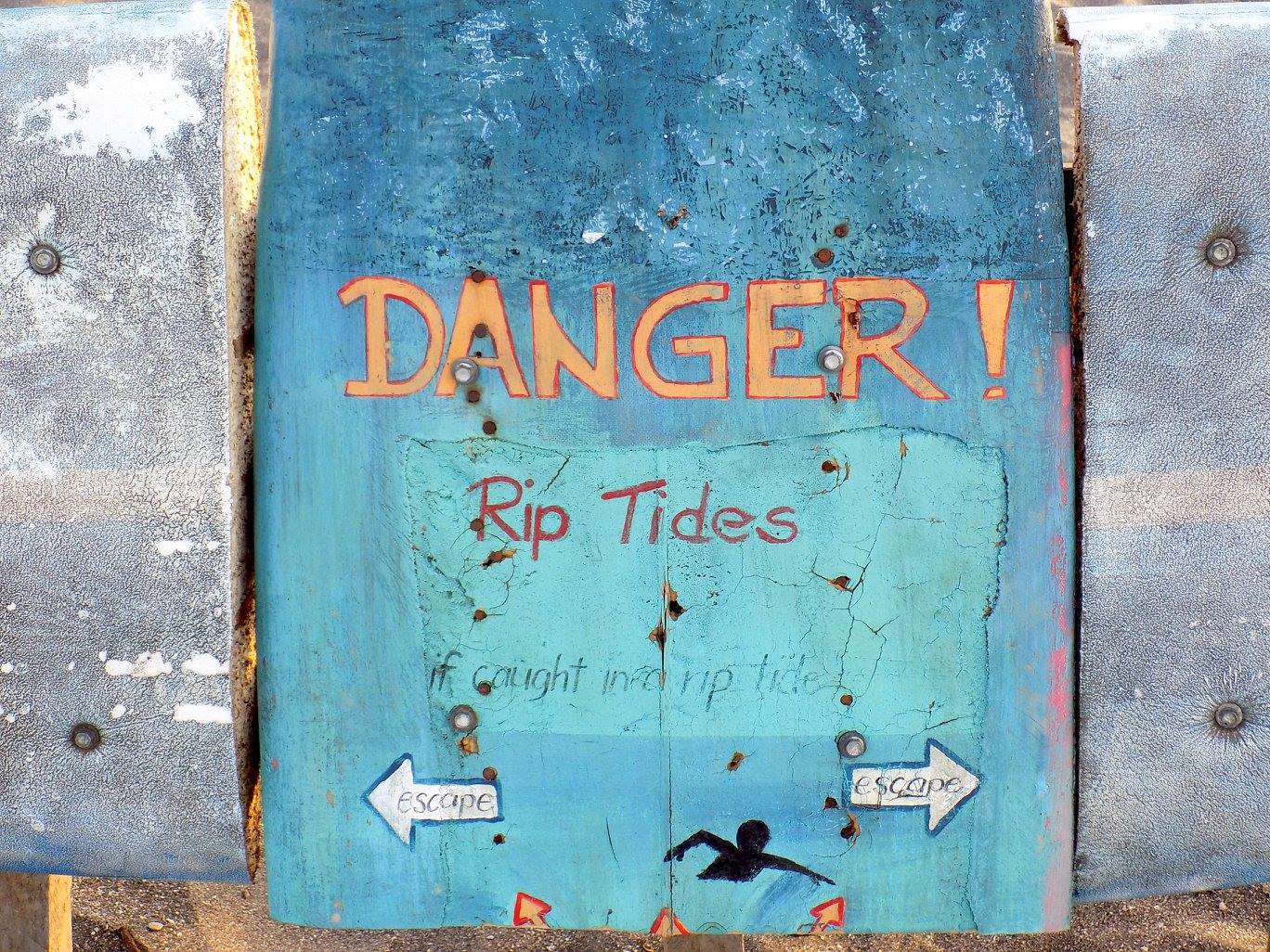
Hours and days go by staring at the constant crashing of waves against the grey volcanic sand, at moments surrendering the limbs to repose in colourful net hammocks, napping and indulging in fresh juice.
An afternoon daily beach volleyball tournament makes for some amusement in a sticky sand and sweat combination minutes before the sun graciously sets over the orange sea, giving way to nights of philosophical talks about life, resting the head on the warm dry sand, whilst sipping on a beer under the clearest of the skies.
Moments which incite moments. Perhaps that childhood memory laying on a worn-out tablecloth in the warm summer grass with my parents watching the stars, slightly paranoid at the thought of a moving light which my mother would call an UFO (although years later I discovered they were airplanes).
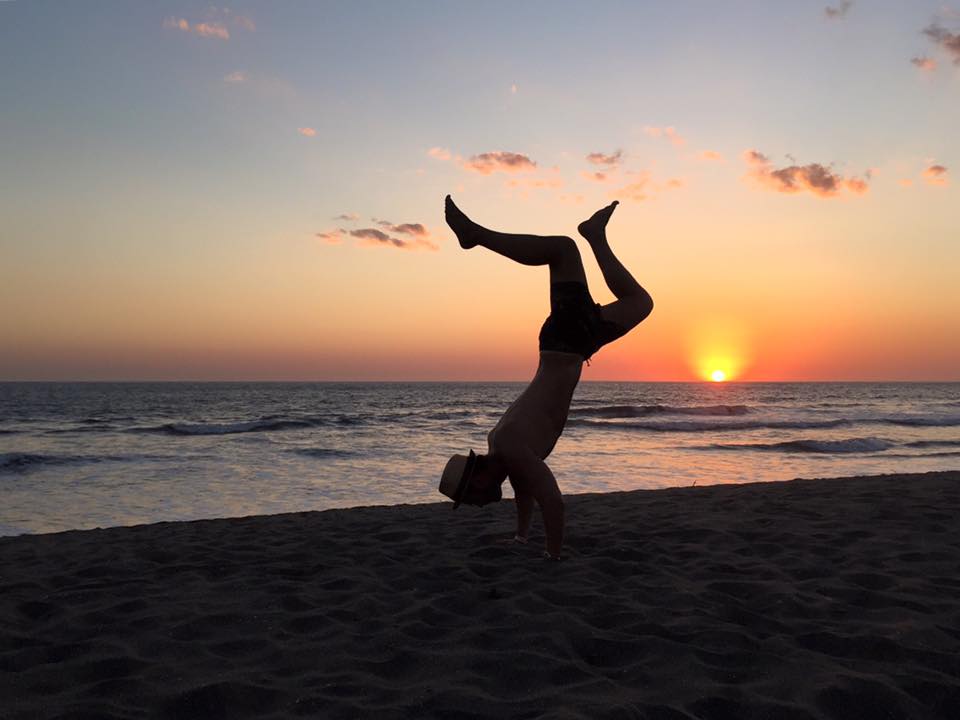
This is the effect of traveling as I see it. There is indeed a pleasure on the constant come-and-go and the discovery of new places, but there is also an added value on the fact that these new places can bring memories that our minds render worth to be relived over and over again, in a different time and place, almost like life acquiring several dimensions, making the moment even more fulfilling.
The days filled with surf, balancing ropes and naps, combined with surprisingly pleasant nights in my own little tent, reduced the omnipresent fast pace nature of this trip to my own surprise and needless to say, to my own delight.
I leave the Surfing Turtle Lodge in the early morning. The short voyage through the virgin mangrove brings me back to mainland, to reality, to the melancholic thought of a nearly-ending journey.
My friends and I exchange contacts and take selfies on the bus back to Leon knowing that in a few minutes, each one of us will be taking different paths. A hopeful selfie working as a testimony of a short ‘friendship’ with the only hope of meeting again, providing the circular dynamics of travelling keeps its loop, evoking once again moments that deserve to be relived in a different time and place.
Once in Leon, a taxi takes me across the hot and busy town to the bus station, where I take a minivan to Managua on a three-hour journey along a route that moves away from the dry plains of the Pacific and shaves the shores of Lake Managua in a peaceful landscape only interrupted by the sudden dramatic eruption of the mighty Volcan Momotombo and by the eternal traffic congestions of the Nicaraguan capital.
I have no interest in seeing the city, whose historical core, sitting over several geological faults, has been destroyed by repeated volcanic eruptions and earthquakes, perhaps also destroying its identity, transforming the capital into a metropolis focused on the flat soulless suburbs riddled with traffic congestions and shopping centres.
Taking it with a pinch of salt, I try not despair to the intimidating sight of Managua, since only an hour away through a modern motorway lies Granada, Nicaragua’s so-called ‘colonial jewel’.
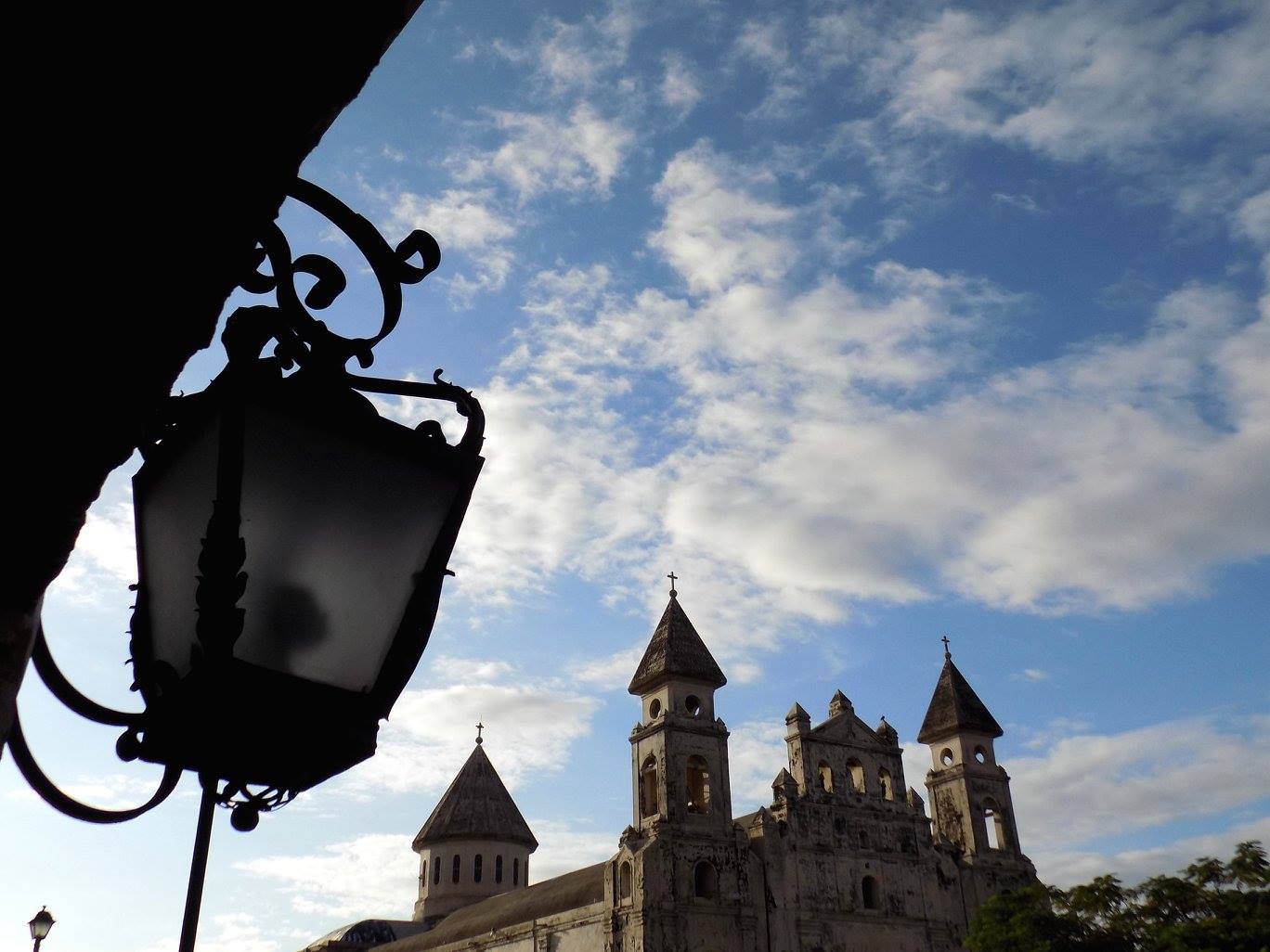
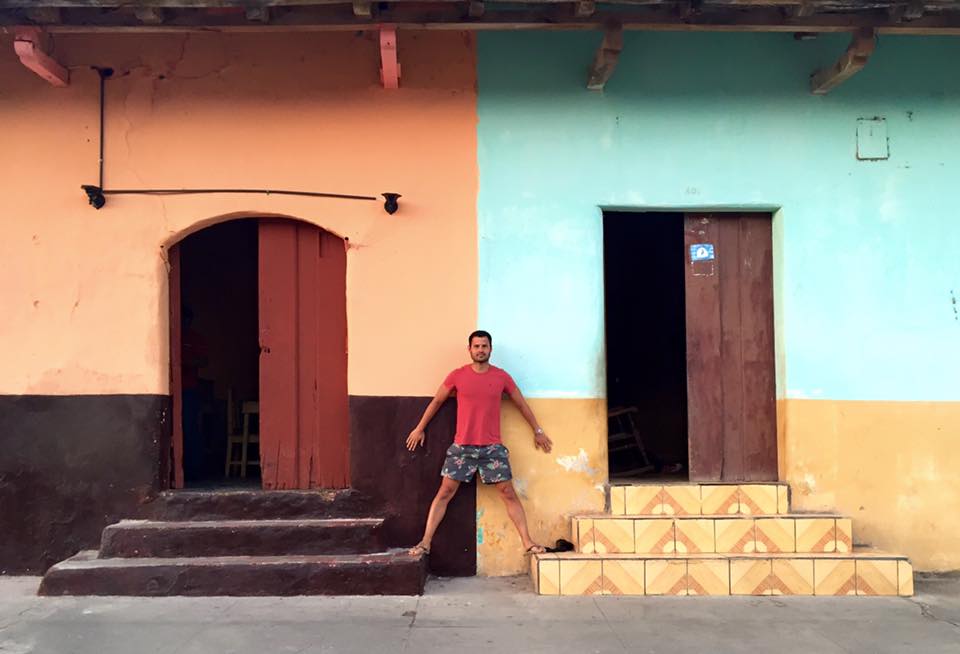
Granada is indeed gorgeous. A colonial-style marvel in which colorful facades provide constant shelter from the scorching summer sunshine and streets are kept free of any rubbish, whilst polite locals greet you at every corner.
A few minutes down the main road of this pretty small city embedded on a swampy shore of large Lake Nicaragua, the concept behind Granada becomes noticeable: a city completely catering for tourists, sheltered from Nicaragua’s social issues, like a controlled and embellished chaos that is not to be seen by the rich tourist spending good foreign money in a famously known corrupt country.
It is the end of my trip and the pace has noticeably slowed me down, inciting me to splurge on a private room with a small window and a loud fan in a little hotel located in the touristy core of Granada. Convenience and comfort become my credo.
The cathedrals in Granada are kept spotless, its simple interiors once again a testimony of past natural catastrophes and future expressions of tourism-fuelled religious festivals.
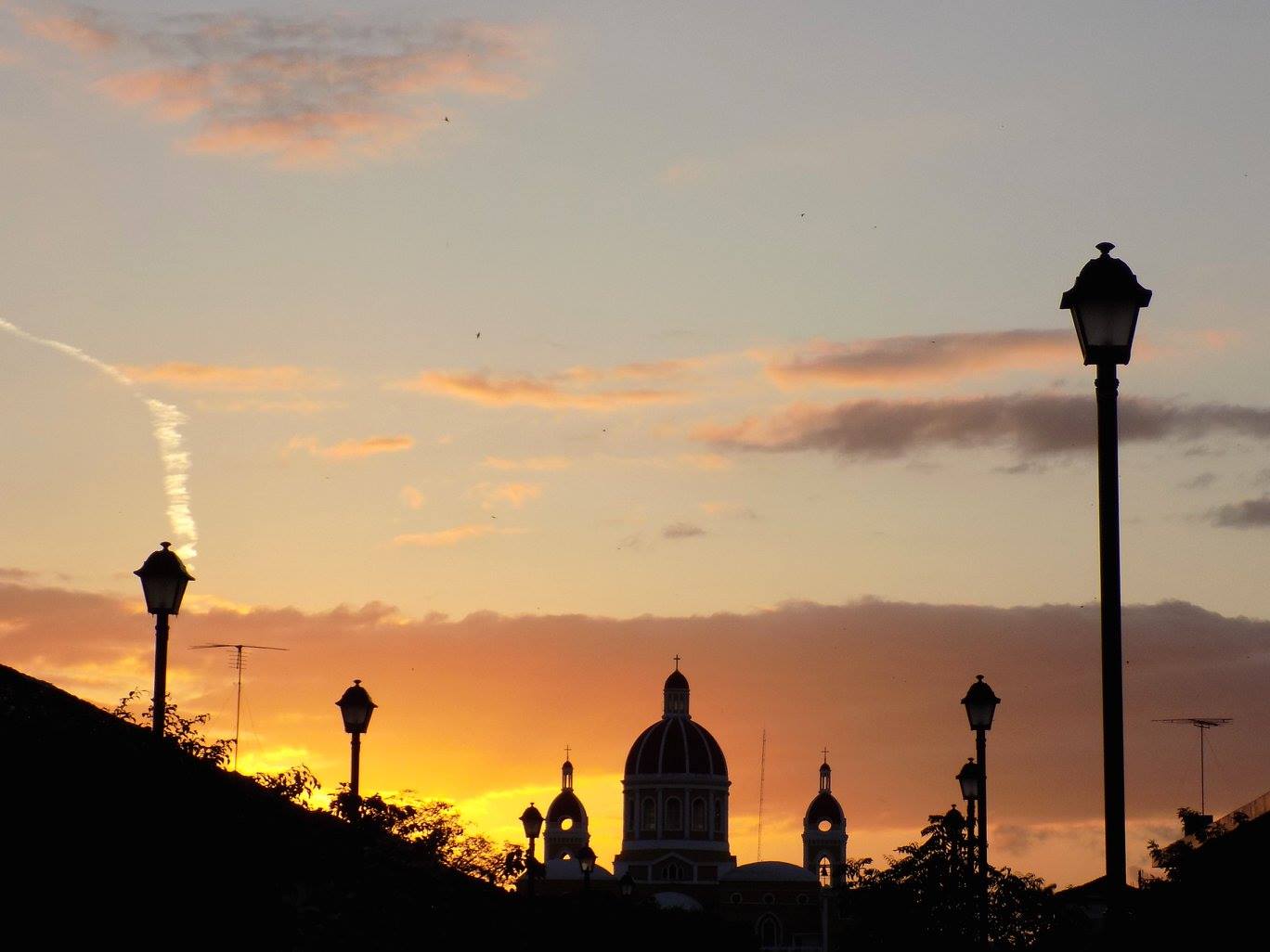
I spend my time in Granada alone. Glancing through half-open doors into the lives of the Nicaraguan middle class, sipping on my fresh smoothies and buying overpriced souvenirs.
A lavish breakfast is had with a Canadian/Spanish couple at the ‘House of Chocolate’, chatting about bitterly cold summers in Saskachtewan around the comfort of a freshly-made banana and cacao pancake.
Later that day and almost vomiting their words, I engage into conversation with two American girls staying at the same hotel. Their clothes ragged from weeks in the Nicaraguan jungle, their spirits broken with the disappointment of a terrible volunteering experience.

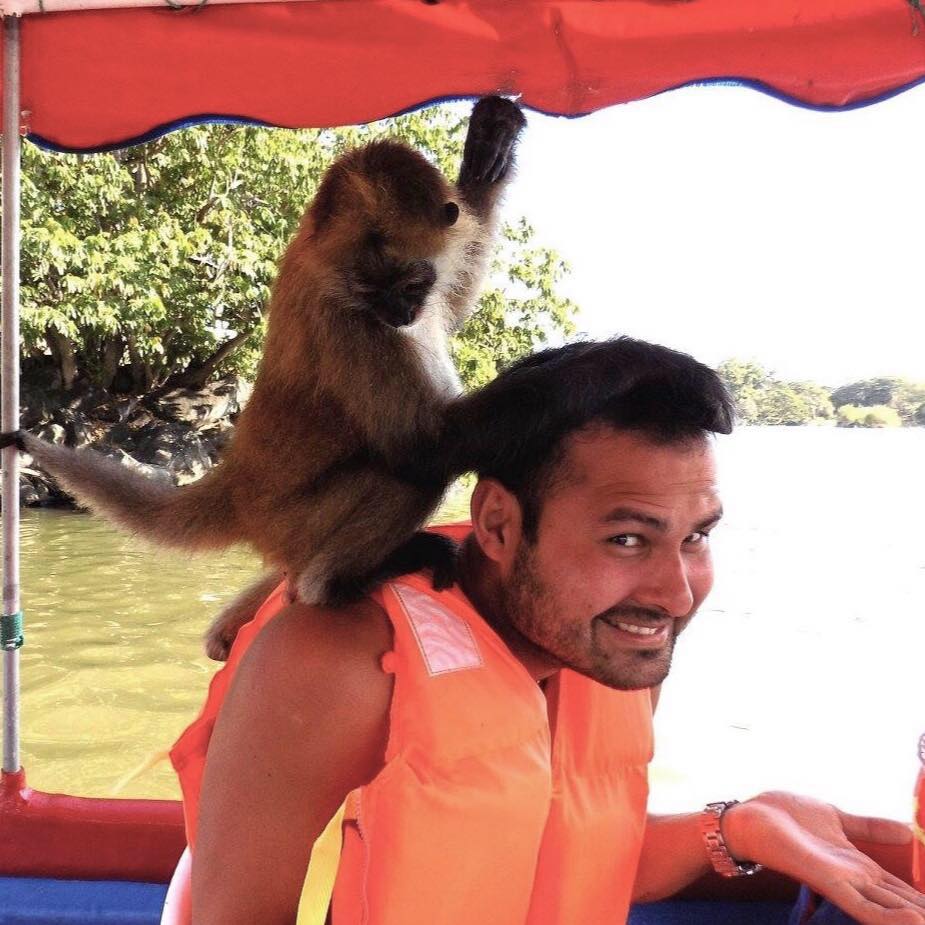
A refreshing afternoon is spent cruising on the vast silver-coloured Lake Nicaragua, along with a ridiculously good-looking Dutch couple, sipping on cheap rum and munching on peanuts, a time in which we skip from mangroves where children amuse themselves on makeshifts swings into the murky water, to islands where overly fed monkeys play with our hair whilst their genitals touch our naked shoulders and finally to a little hostel-island with a small pool where we watch the excursion and the day coming to an end.
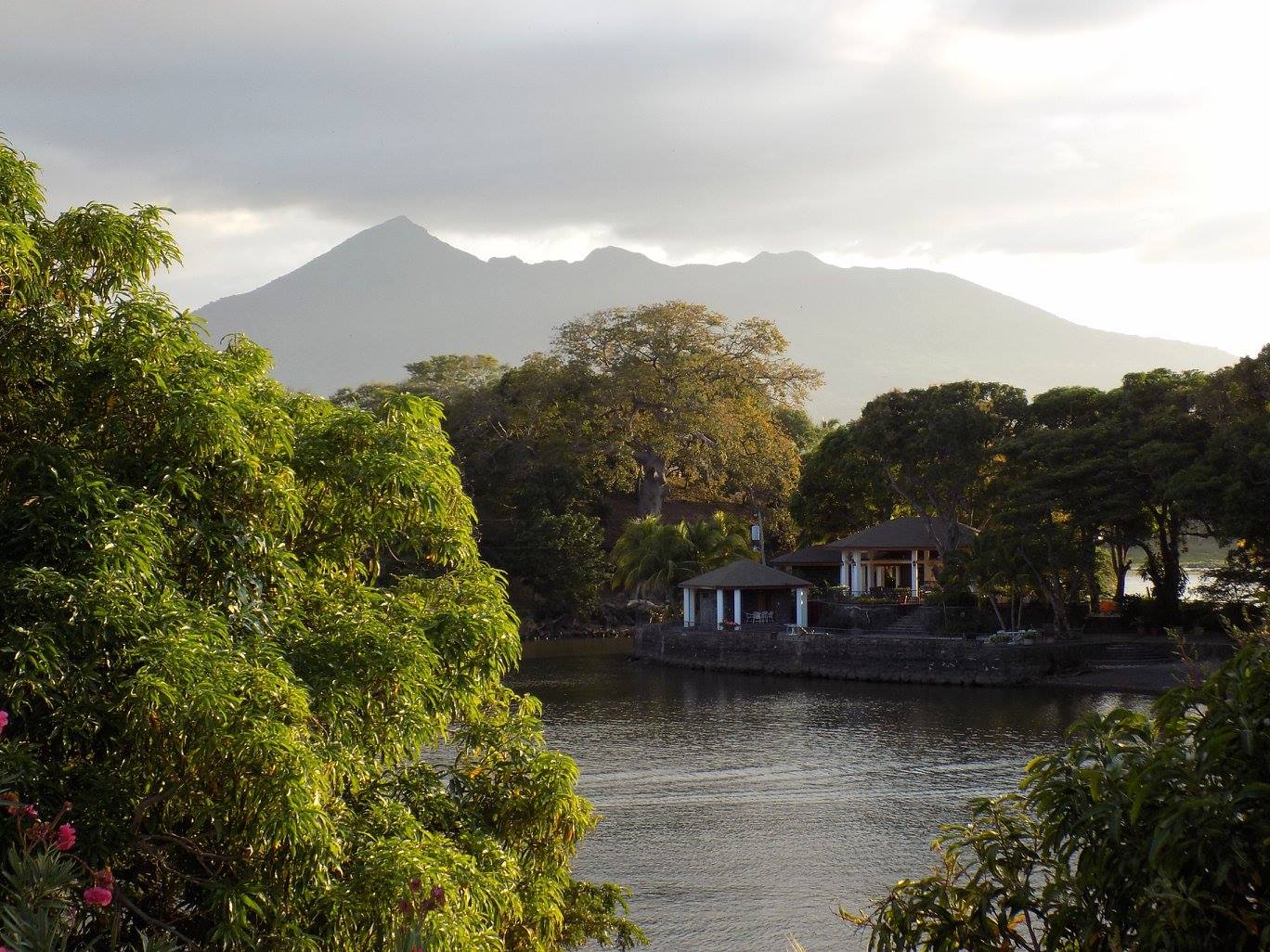
My last night in Nicaragua is a blur memory of hot and spicy street food smothered in a bittersweet sauce and served in a banana-tree leaf and an obscene amount of mojitos sipped at Granada’s Irish pub, whilst the drunk eyes of the American girls constantly protrude at the chance of talking about conservationism and pesky locals interrupt the dynamics of an alcohol-induced discussion with an assortment of items to sell. Your typical tourism-riddled town scene.
Granada is left behind the following morning. I find shelter from the heat and any sort of human contact at the, ironically, busy Metrocentro.
A place where rich Nicaraguans shop American-imported goods, have a fatty fast food meal and wave their iPhones into a mesh of youngsters obsessed with selfies.
I sip on my last coffee in Central America, buy a pair of cheap shoes (since I have been wearing flip-flops for a week now) and shelter from the crowd in a comfortable sofa below a fly of stairs whilst enjoying the free wi-fi.
A taxi takes me through Managua’s suburbia into the airport in the late afternoon, arriving at the modern air conditioned terminal about five hours before my flight, providing enough time to rearrange my luggage and why not, my ideas.
Fellow travellers queue at the bright yellow Spirit Airlines’ counter, closely watched by an overly large painting of Augusto Sandino, proudly displaying some Nicaraguan history to those ‘Nicas’ that, along with me and a few other tourists, are now leaving the country.
The flight to Fort Lauderdale is overbooked, whilst the one taking me to Houston Intercontinental has only over thirty passengers.
Both flights leave almost at the same. Both Airbuses overflying Managua at almost 02:00 in the morning, time in which the ‘Nicas’ in the city below are asleep and the passengers in both flights get ready to go ‘home’.
 THE FLYING CAMBA