
The freezing rain crashes against the dirty train windows. The stewardess has relinquished her heavy build against a hard bunk bed placed next to a coal furnace used for heating the carriage.
Resteless, I lean against the window whilst the lights of small villages float in the middle of the flat fields. In a matter of hours, the monotone clickity-clack sound of the train is broken by shouts from the ticket officer who turns on the lights and announces the arrival into the Romanian capital.
The cold air of the morning hits me like a hostile wall of frozen punishment. The heavy rain pours from holes in the roof of the platform at the Gara Nord, where passengers wear heavy bubble wrap-like coats and soggy jeans.
The Irish and I take a taxi into the dark city, through a mirage of broken lights reflecting in murky puddles of water and numerous avenues lined with graffiti-covered apartment buildings, in a time in which the day seems to refuse to start and the darkness overextends through the heavy clouds.
Our hostel is in the Jewish neighborhood, a cluster of low-rising houses surrounded by busy avenues in which commuters fight for space amidst a sea of umbrellas, weaving their way through the exhaust fumes of brand new cars and extended bony arms of the numerous beggars oblivious to the weather conditions, assuming a ‘lotus flower’ position in the footpaths.
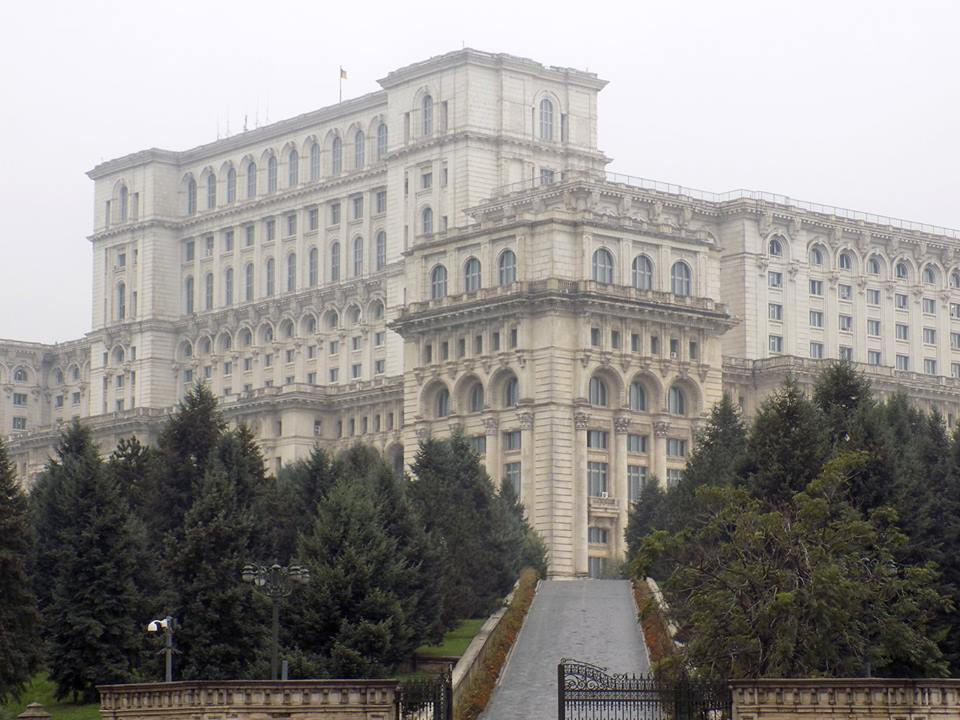
Check in is not until later in the evening, so I decide to grab my umbrella and venture into Piata Unirii, centerpiece of an imaginary dining table that extends over a straight and broad boulevard dominated by the Palace of the Parliament, built after the Bucharest earthquake of 1977 as a monument to the ego of Ceausescu and once the largest building in the world.
The water fountains spray some sort of dirty water. The colorful tiles, chipped by the passing of time and poor maintenance, aggressively add some colour to the bleak street landscape in which police men zealously guard the lobbies of the many government bureaus in the area.
Once a charming medieval housing conglomerate, the Old Town slowly comes to live. The yellow dimmed lights of modern coffee shops shine through large windows, and the elderly rush for redemption under the stunning frescos of the small Orthodox cathedral of Stavropoleos. A market of antiques is set next to the closed and alcohol-scented door of an ‘exotic dance’ house, doors that become more frequent as I walk through the wet cobblestone streets of this part of Bucharest.
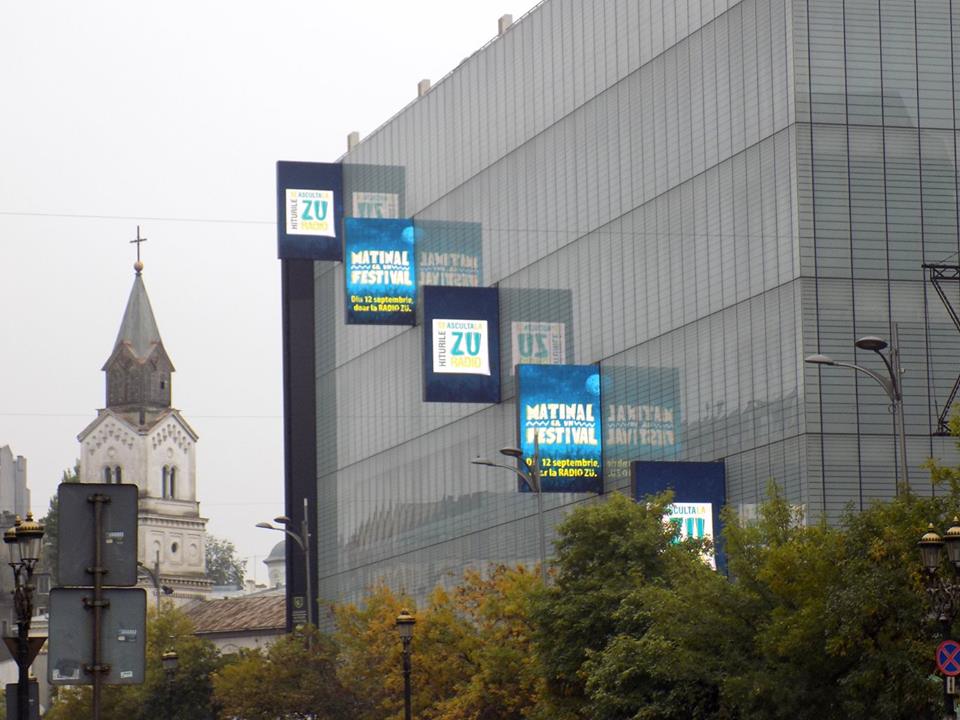
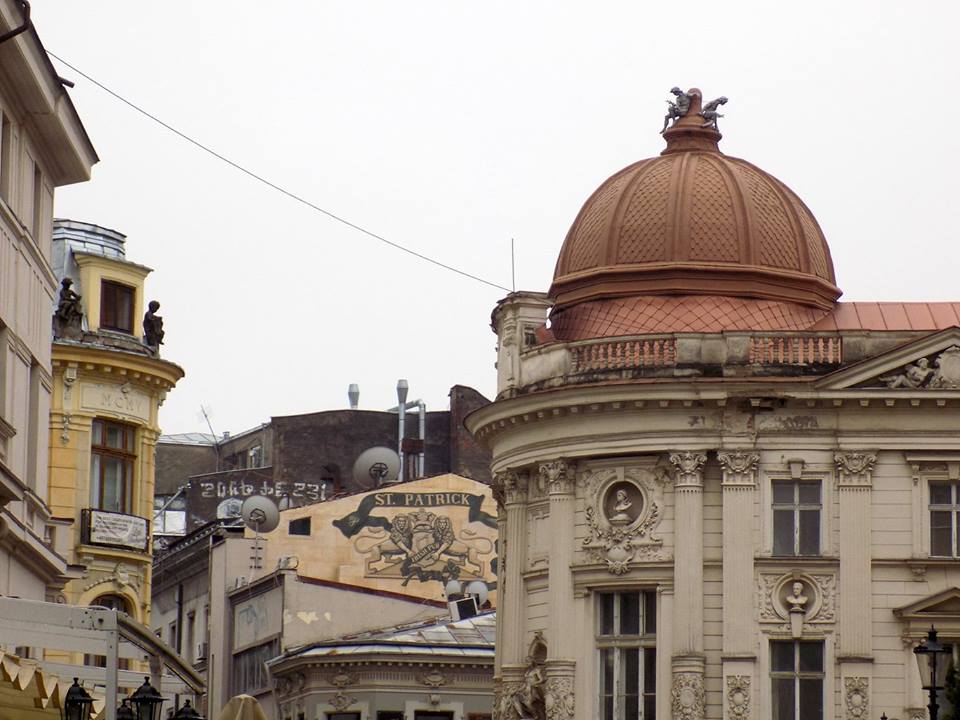
The rain seems to punish the city with its full force, crashing against the red ceramic roofs of old shops and the grey concrete of the footpaths. No piece of clothing seems to escape to it, whilst the chill factor perforates through layers of clothing and straight into the bones. Ideal time for a hot cup of tea and some tidying up after days of running across several countries.
In the morning, I take the metro to the main train station and with only a couple of minutes to spare, I find myself sprinting through the platforms in order to board my next way out of the bleak confinement of the urban sprawl.
The smooth train seems to soar through dark and bare brown flat lands, almost as if it was gaining impulse and momemtum before climbing up the Southern Carpathian mountains in zigzags of engineering masterpieces, through tunnels dug in the karst mountain walls and bridges that soar over tall pine trees.
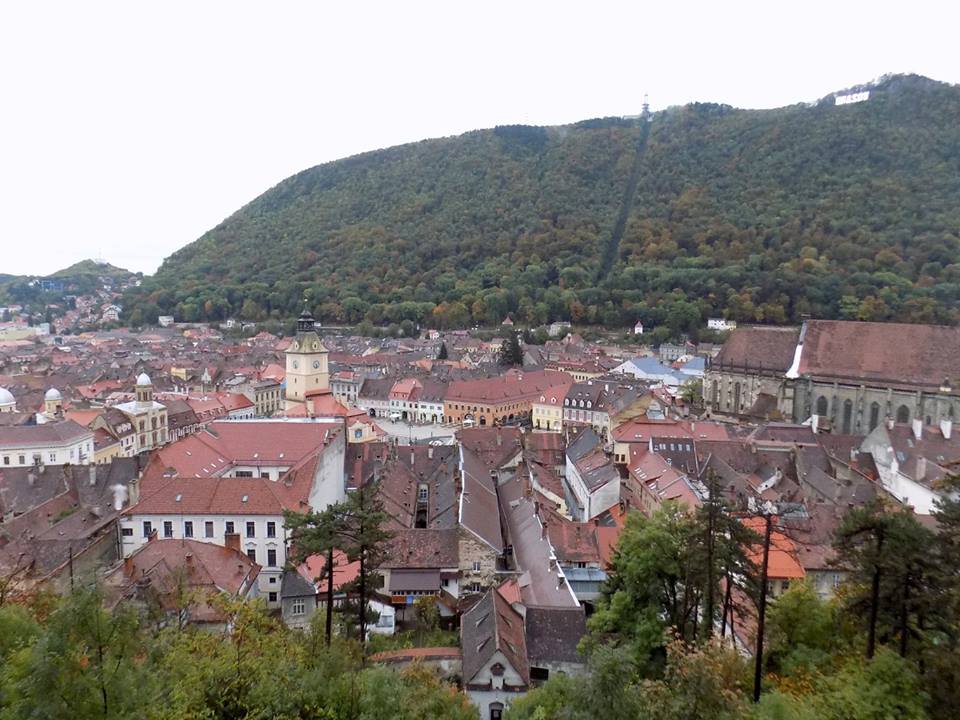
A three-hour train ride from Bucharest, Brasov is a treat to travellers. Suburbs of tall yet colourful apartment buildings sprawl through the wide valley, and broad traffic-less avenues thin as they approach the medieval Old Town.
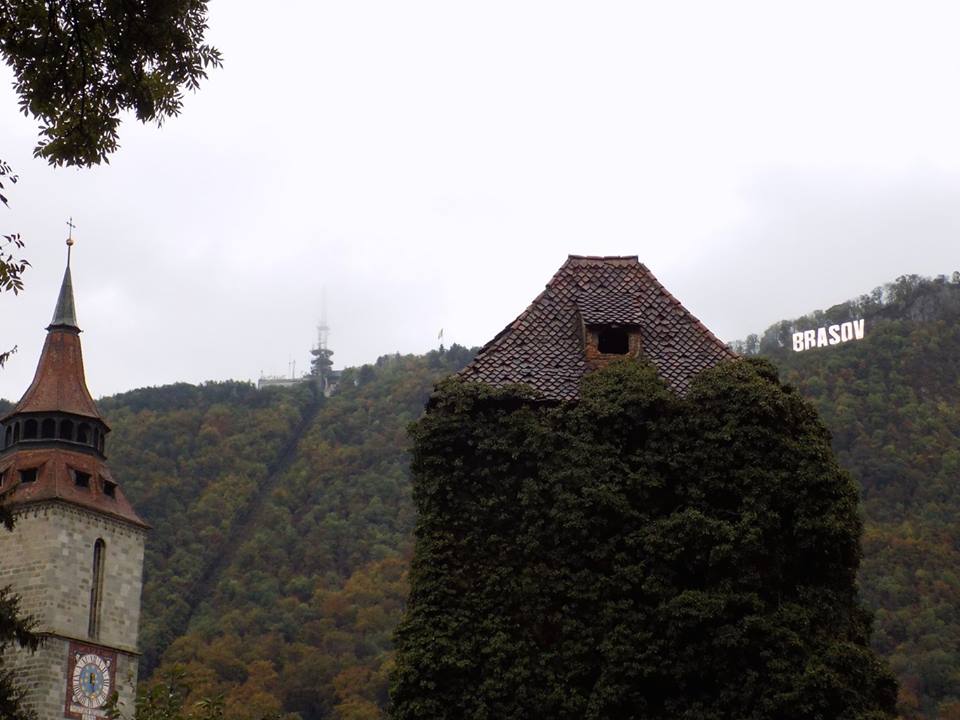
Perched to the Tampa mountain like an infant unwilling to relinquish his last bit of childhood before facing the real world, the narrow cobble stoned maze of Old Town extend through a horizon of pointy red-tiled roofs which crown the narrow buildings. Sturdy walls are painted in terracota colours and small apartments peak from the top floors whilst the merchant life develops at street level, a legacy of medieval times.
I find a lovely hostel hidden from the street through a picturesque portico in which old Soviet cars seem to have found a better place to rest. In the lobby, an American girl desperately tries to befriend fellow guests whilst loudly slurping on tea in the pallet-built sofa, and a Filipino woman cleans the spotless kitchen with a wooden broom.
A tea house next door invites me to stay for the afternoon. A time lapse of an evening in the ‘Romanian Alps’ develops in front of my eyes, like a slow motion picture of still local life in which a young couple are the main characters, their dating translated into subtle kissing and hugging, the smoke of their e-cigarettes smothered by the rain pouring from the black gutters of the balcony.
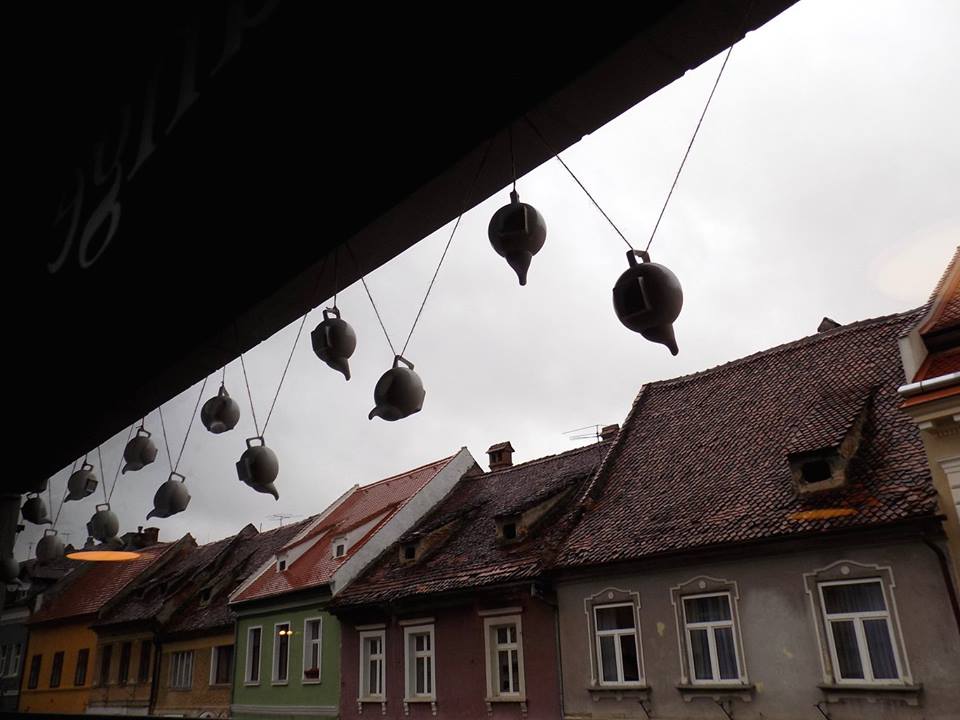
Brasov proves to be the ideal place to unwind. The light rain subsiding at times, the lights of the city courageously defying the night fog, the intoxicating smell of freshly baked pastries from the coffee shops opened until late and the distant lights of industrial chimneys demarking the city limits.
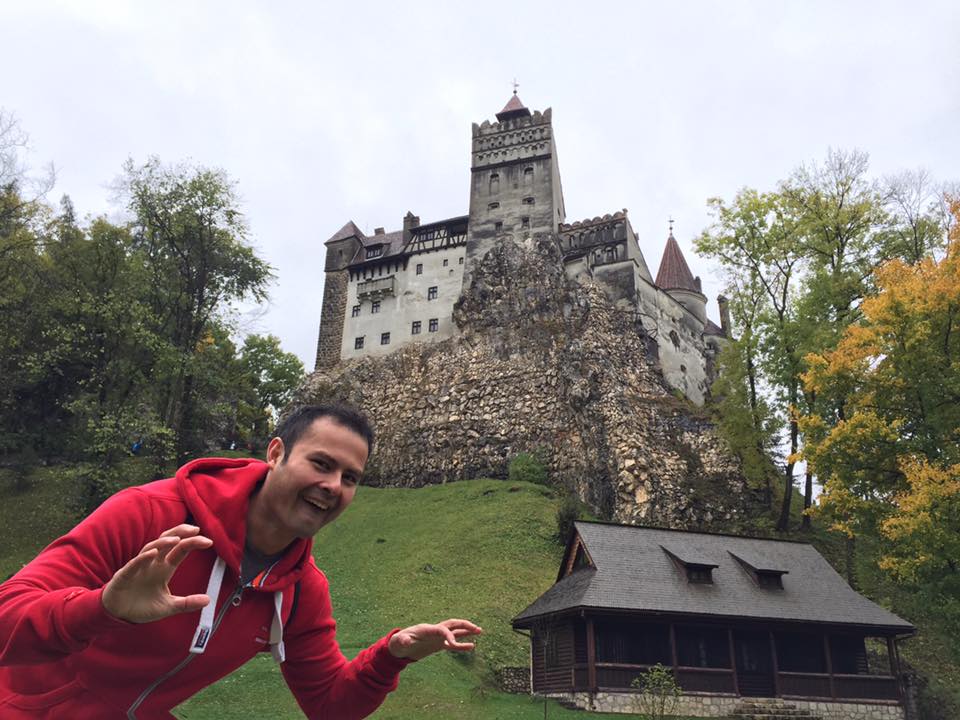
Brasov is also set in the heart of Transylvania. Only a few miles down the broad valley, Bran and its prominent castle have become the inspiration of several artists and writers.
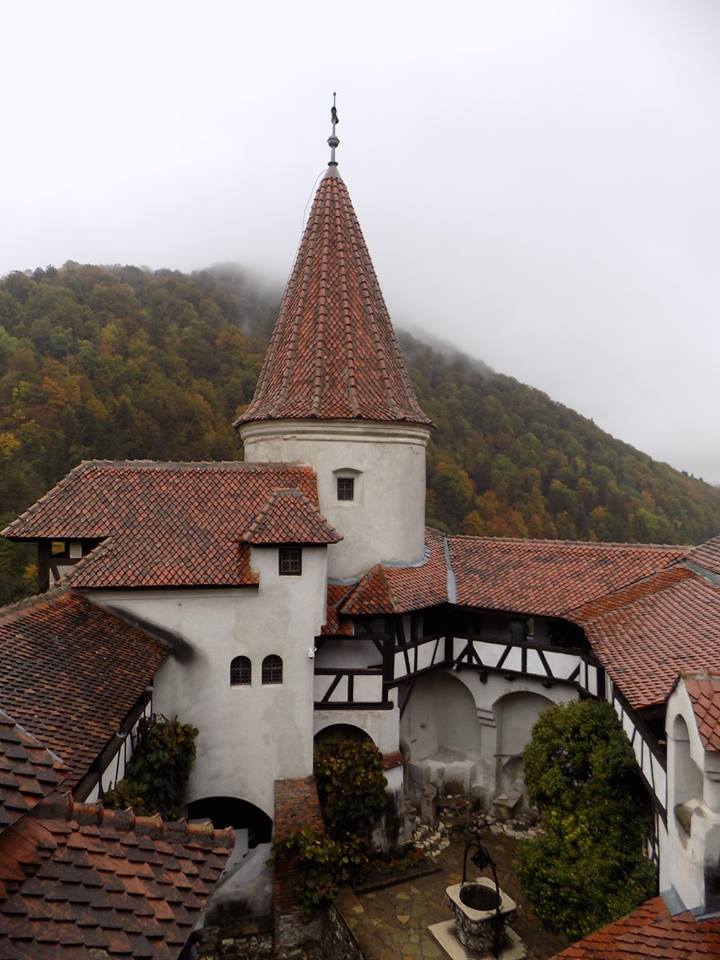
Once in Castelul Bran, my mind becomes oblivious to the several souvenir stands and finally affords to wander. Built atop a rocky hill, the narrow whitewashed passageways of this medieval jewel inspired one of the most famous stories in the world: the life of Count Dracula.
A portrait of Vlad III, also known as Vlad the Impaler , stares from one of the rooms. His eyes reddened by anger and poor blood circulation, his broad shoulders extending downwards to a protruding belly covered in animal skins and concealing a bad diet. His semblance as bad as the sadistic punishments his enemies were subject to, main inspiration for Hungarian writer Armin Vambery about tales of vampires and blood sucking creatures living in the middle of the misty Carpathian Mountains, later converted into the story of Dracula by Irish writer Bram Stoker.
Fifty German tourists enter the room in which the Vienna philharmonic once played at, decorated by with a full bear skin laid over the wooden planks, and children play under a staircase leading to the main courtyard, squeezed in between brick towers. Despite my many efforts, I cannot find any fangs to be acquired as a souvenir.
Transylvania could not be waved good-bye to without a proper medieval dinner in the dungeon-like wine cellars of Sergiana. Charred pork and raw onions, a hearty vegetable broth, garlic potatoes, chocolate cake and wine are served by a sturdy Romanian waiter, his brazen stare and abrupt manners soften for the sake of tourists. An artery clogging combination which sends me straight into a night of heavy sleep and a sluggish morning start.
I board the wrong train in the morning. The pines trees release mist into the foggy mountain tops, whilst the train once again zigzags over autumnal foliage and freezing water gorges before the land becomes more serene and flat.
Bucharest is reached a little earlier due to my train error, the sunshine finally winning a three-day battle with the rain and adding brightness to my slow train journey to the Romanian border South.
The train stops in a derelict train depot and two immigration guards enter the carriage, demanding for our passports. Outside, the sun shines over three children playing amongst the abandoned wooden train carriages and a fence separates the quiet streets of Giugiu from the long queue of trucks awaiting border control.
An hour later, our train languishes through a narrow gauge track and climbs up the banks of the milky-blue Danube River. The smoke of a nearby nuclear plant and a sign in Cyrillic confirm that I have now reached Bulgaria.
 THE FLYING CAMBA