
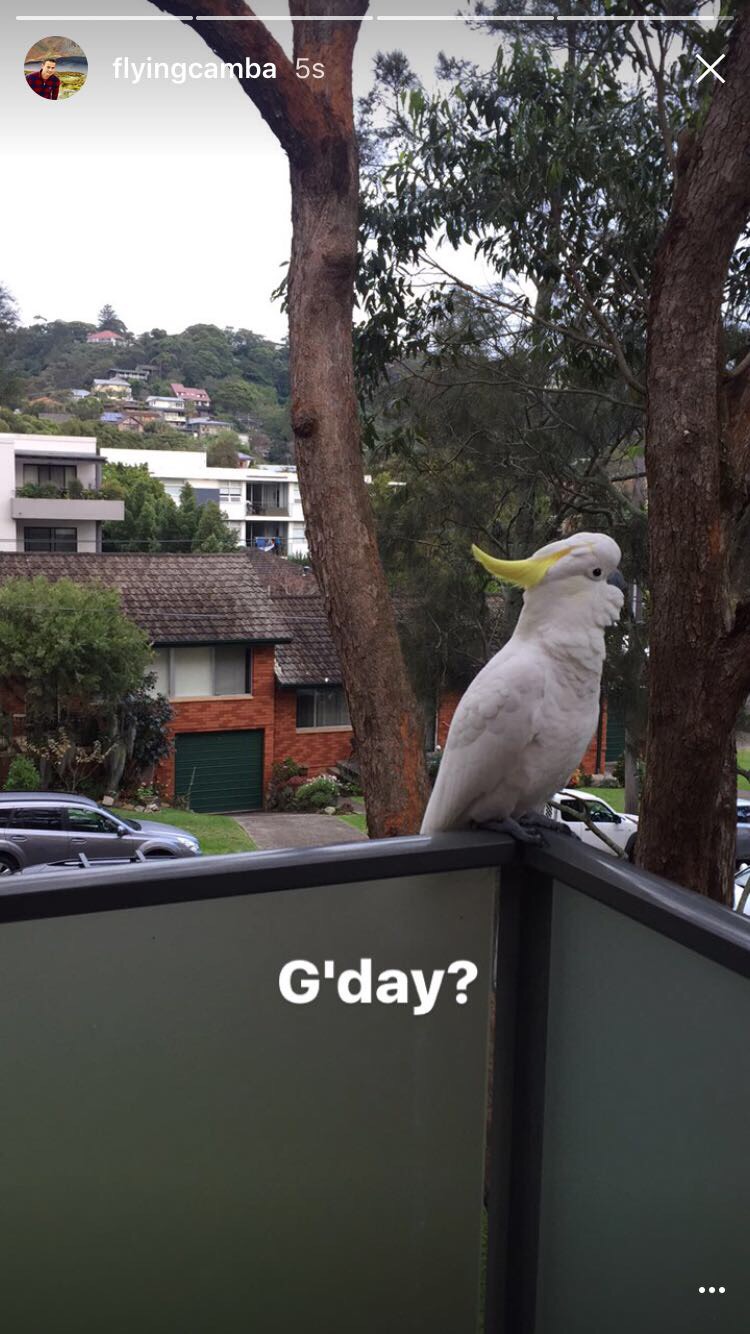
My first night in Antipodean lands transcurs in between dreams of flying planes and the cold breeze of the winter (which is no colder than a summer night in Dublin), only interrupted by the loud greeting of a hungry cockatoo staring at me from the balcony at a suburban address in Narrabeen.
Australia’s history is one of a new continent and most importantly, a melting pot of cultures: aboriginal, European convicts, Chinese labourers, the omnipresent Irish… the winds brought prosperity to an island stuck in between the Indian and the Pacific Ocean and, around this mixed bag of cultures, Sydney relishes at the legacy left by each one of its inhabitants, turning it unique. Where else would you see a city that seem to be changing as drastically with each passing neighborhood?.
Soon my long walk ends in the long and broad Manly beach, its waves only inhabited by surfers wearing thin wetsuits at this time of the year and its core area full of quirky cafes quietly sitting in the sun.
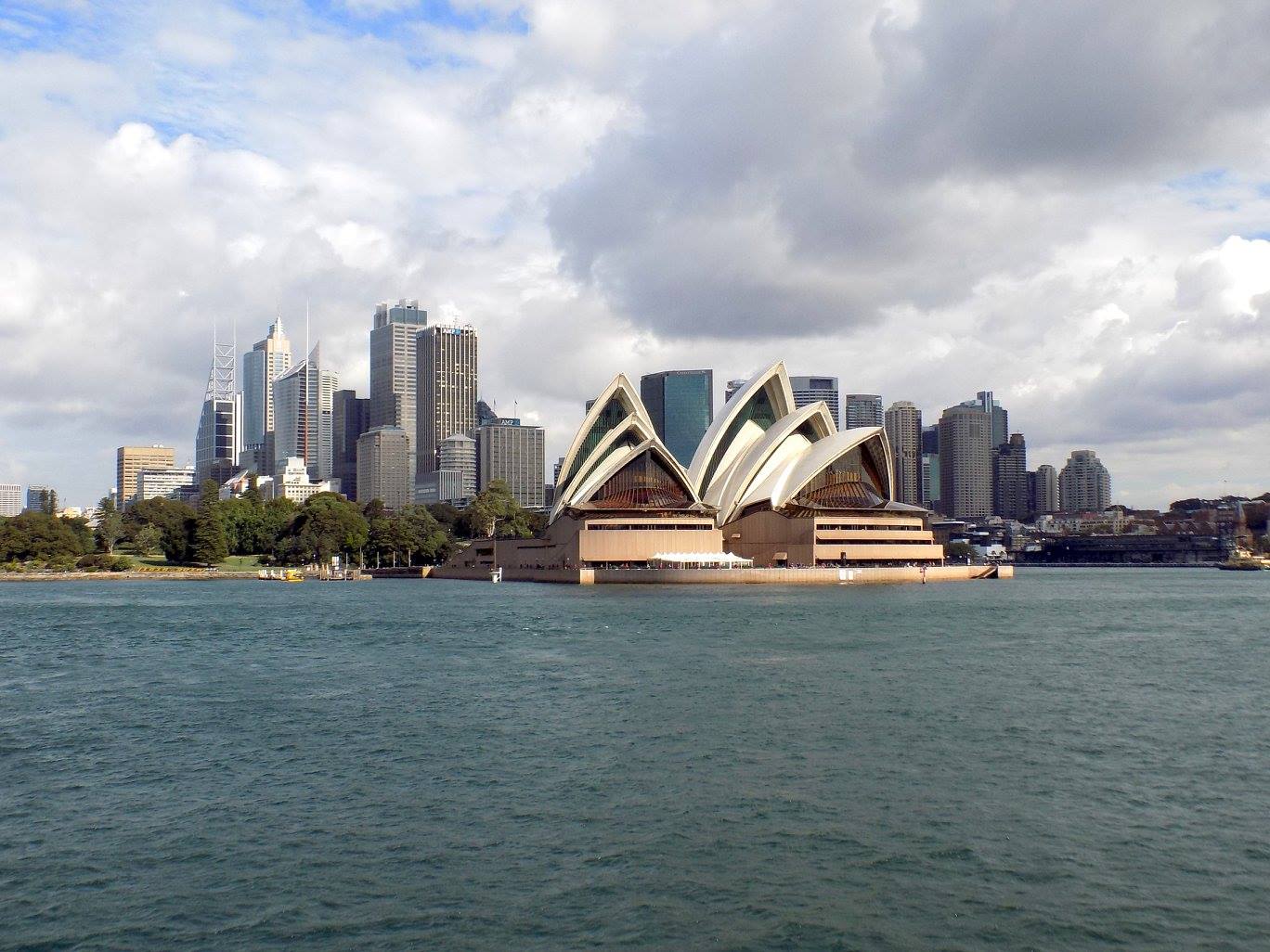
I cannot think of a more dramatic way to enter the city than the ferry from Manly, at times rocked by the tall waves of the open seas before sharply setting West course. The Manhattan-like Central Business District , or CBD, growing larger as the ferry cruises along Sydney Harbour yanks sighs of awe from a group of Nepalese tourists, who non-stop shoot photos and pose for selfies in the main deck. The Opera House and the Harbour Bridge are finally in sight.
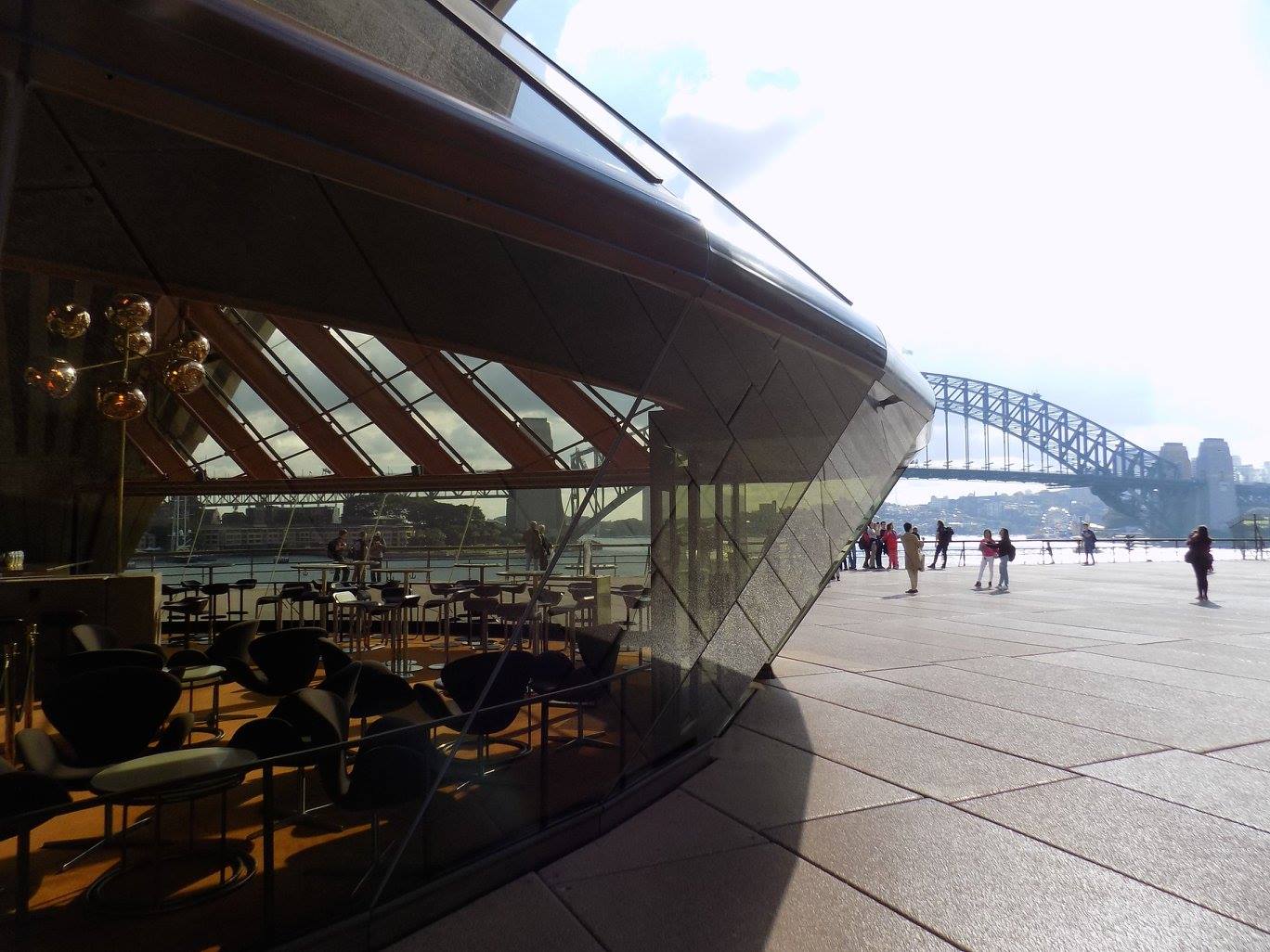
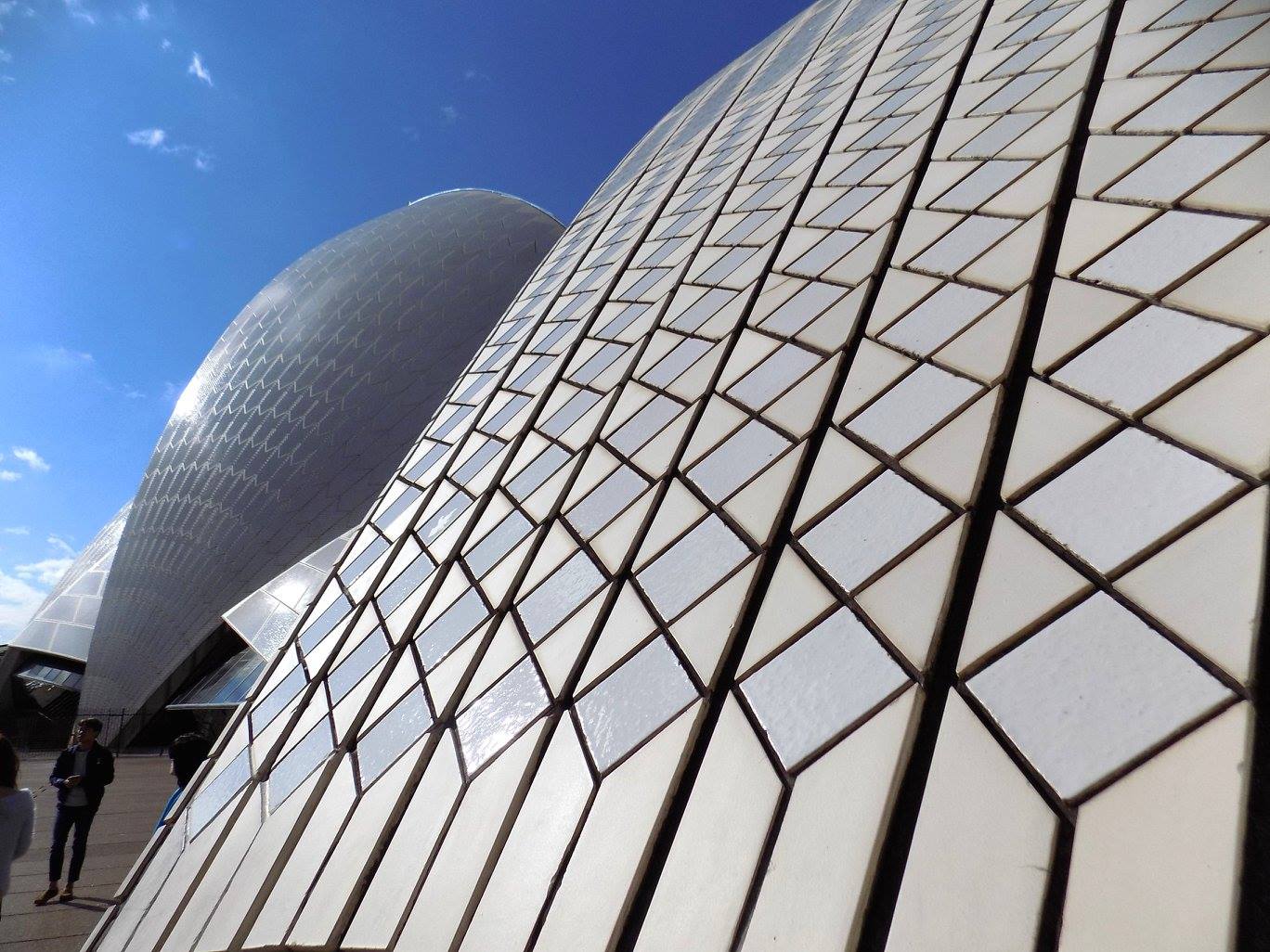
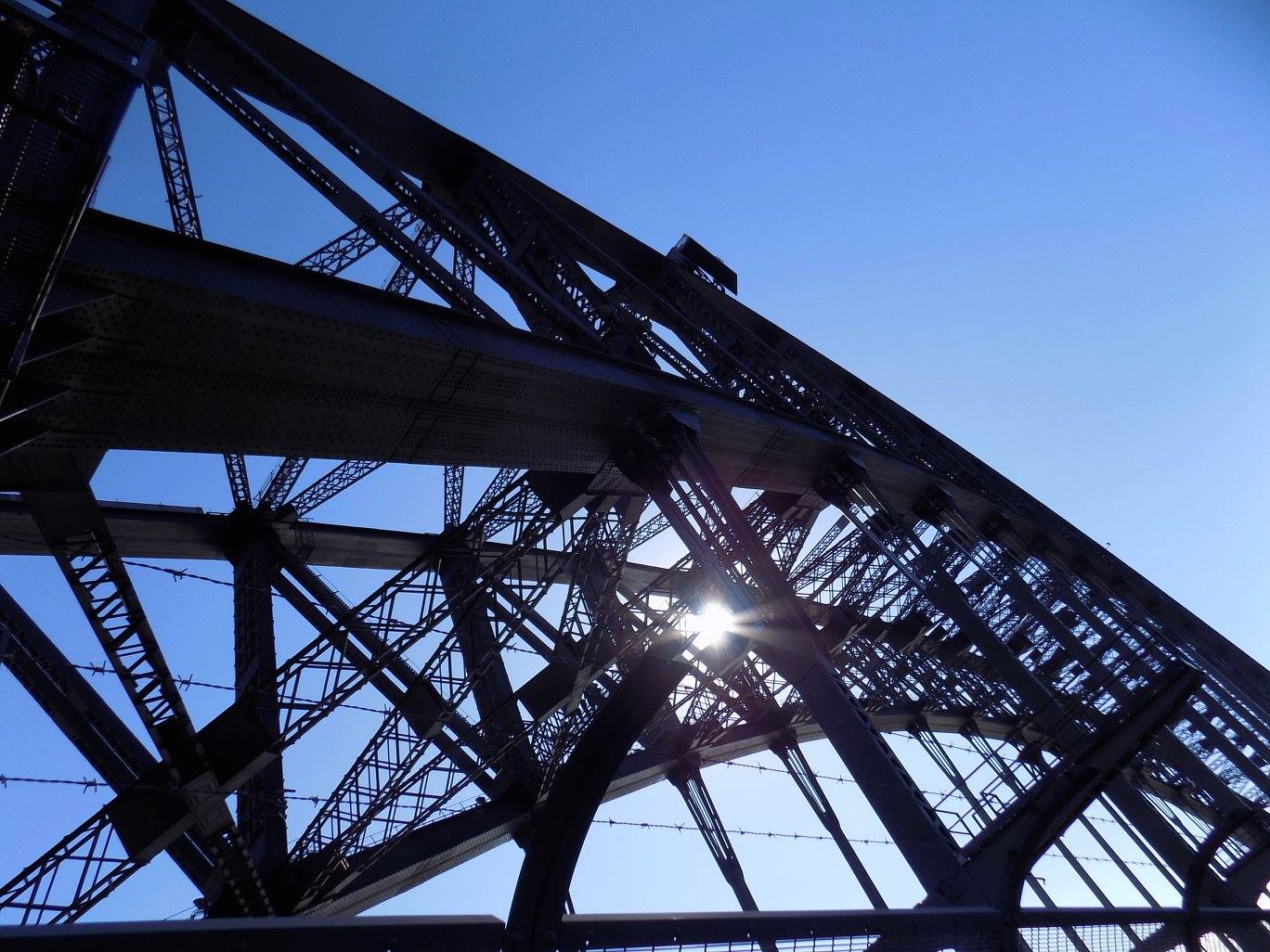
Next to it, the ugly beauty of the countless steel beams of the Harbour Bridge, which just like the Eiffel Tower is despised by some and secretly loved by other Sydneysiders, completes the picture-perfect postcard.

Joggers merge with tourists along Macquarie Seat whilst the bay softly curves and reflects the nearby rain, slowly creeping its way through the shade of the tall buildings of the CBD.
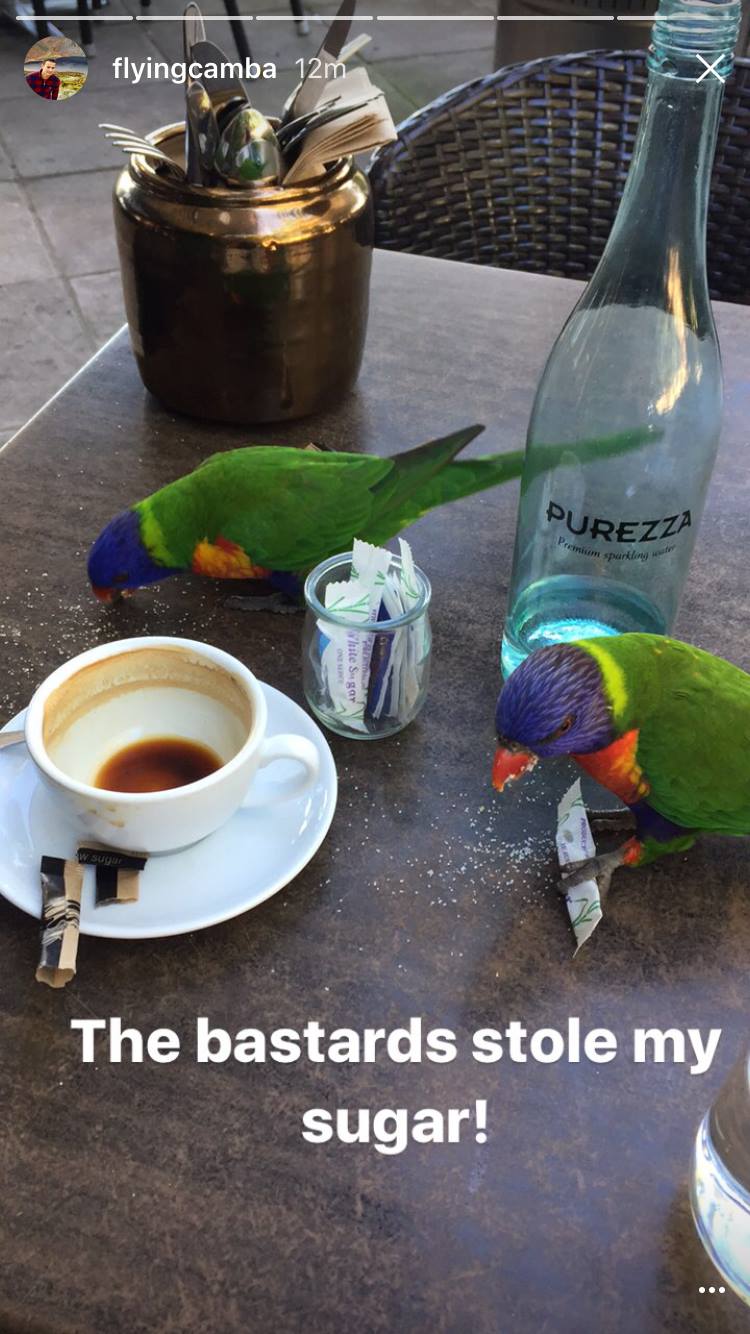
At the Domain, colourful rainbow lorikeets fight over the sugar sachets in my table and drink from my glass of water, oblivious to my own stare and amusing all tables around mine. Nature still present in the Sydney urban conglomerate, reminding us that we are the guests in their own wild land.
The CBD has nothing to envy to the Manhattan Financial District. Suits power walking down sleek avenues organised in grids of tall glass and steel towers, at times engulfing what is left of the historic centre and its charming red bricked structures at Queen Victoria Building or the Town Hall.
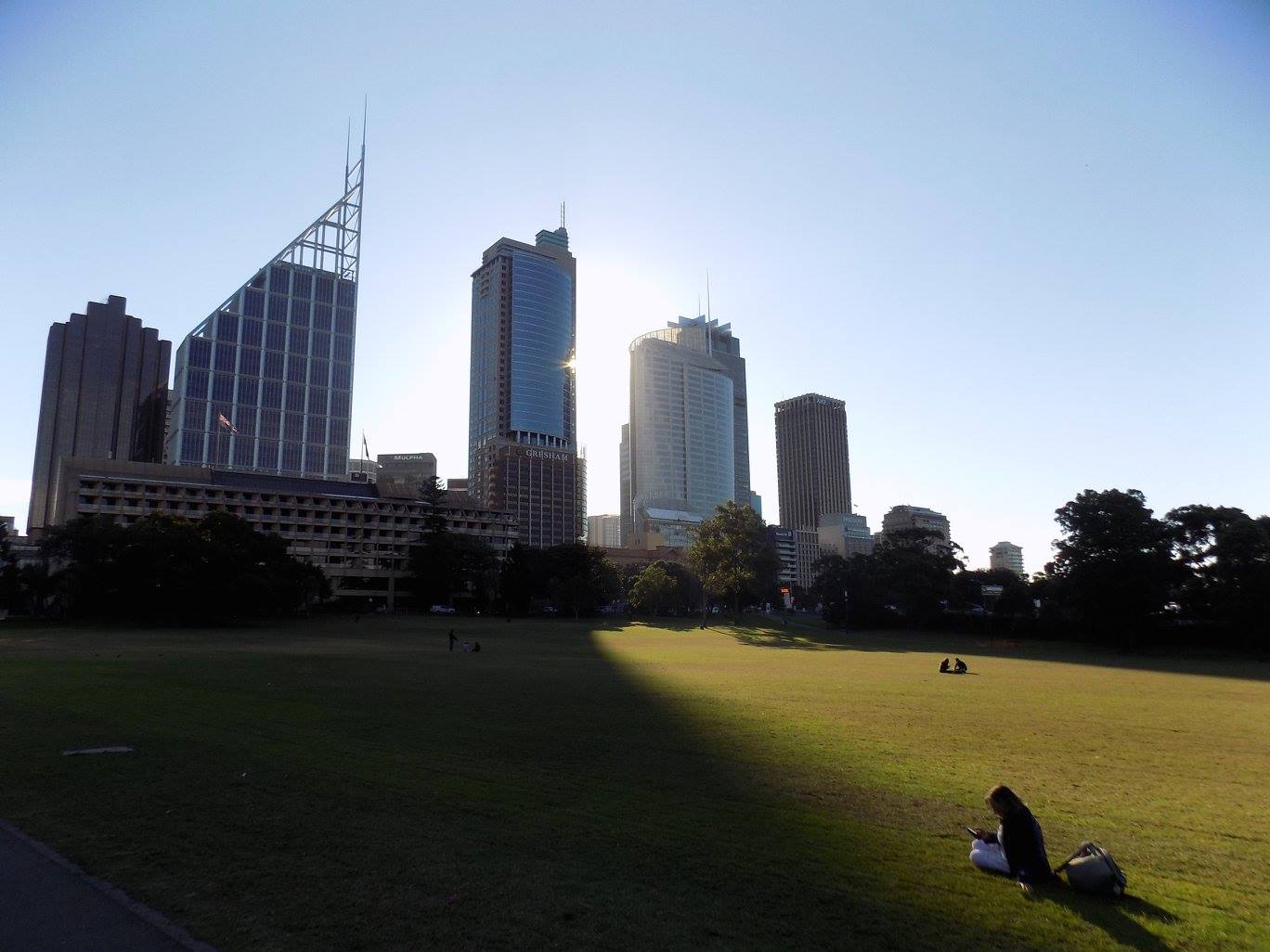
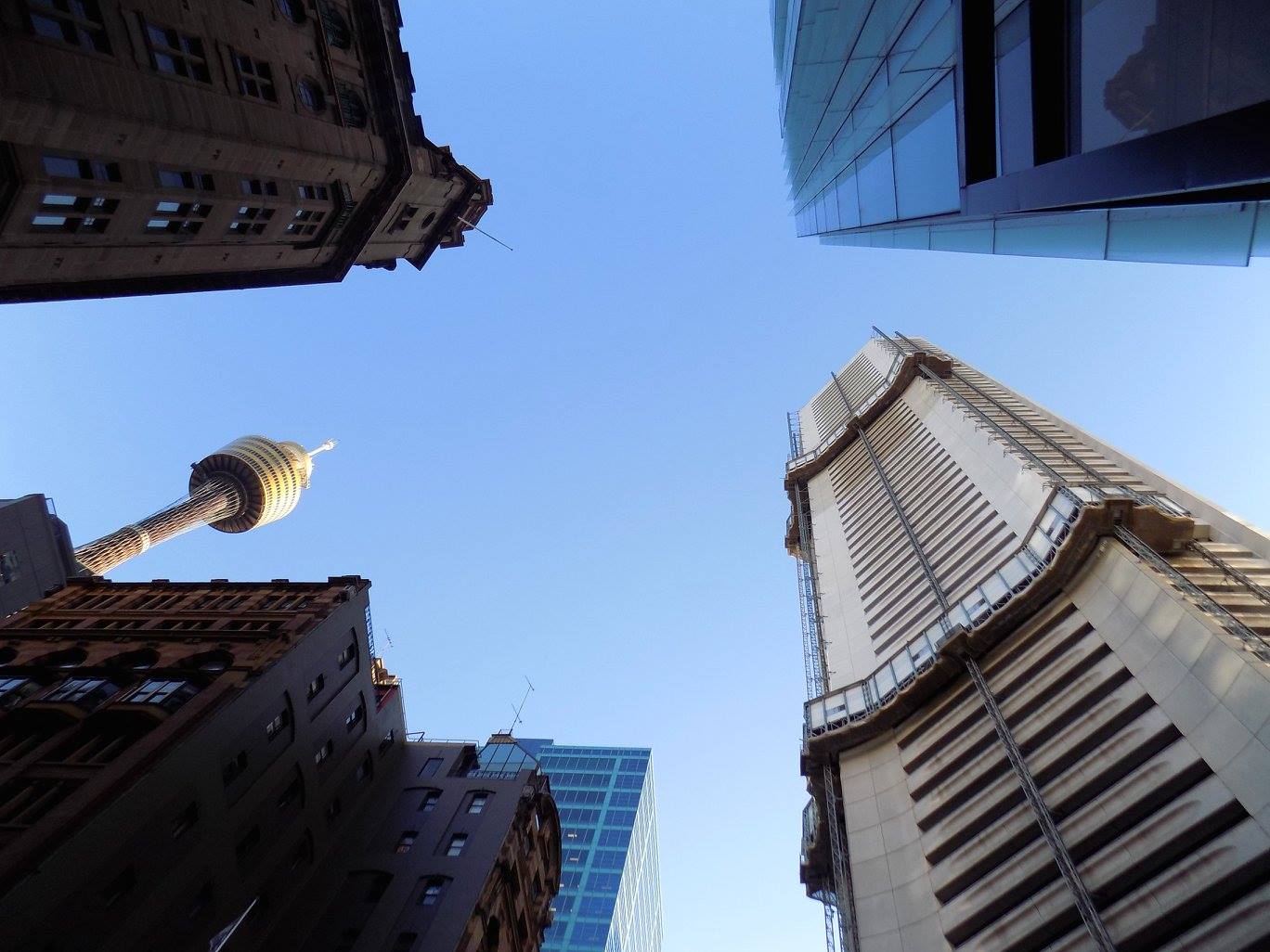
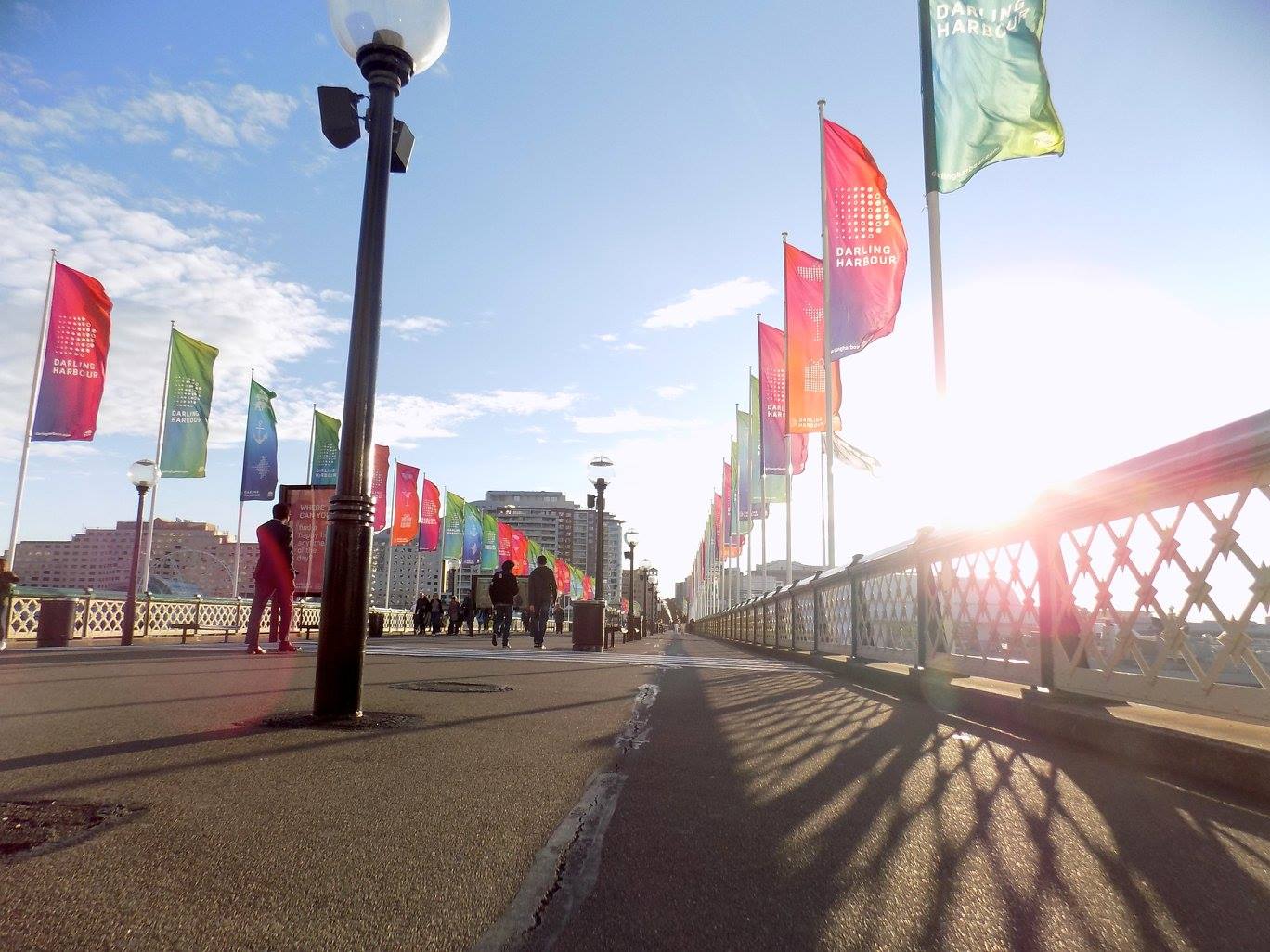
Just before sunset, I finish my walk at Darling Harbour where small boats cruise at low speeds in murky waters that reflect the lights of colorful LEDs and overpriced restaurants. A great place to watch the day die and the CBD grow transparent at a time in which the empty office blocks strip and shine from within by ghostly neon lights, displaying numerous desks and meeting rooms through the tinted glass.
I join the thousands of commuters at Wyndyard and take the bus North to Narrabeen. The air heavy and humid in the late night, fellow passengers listening to their iPods, browsing the news on their smartphones or working on their laptops silently.
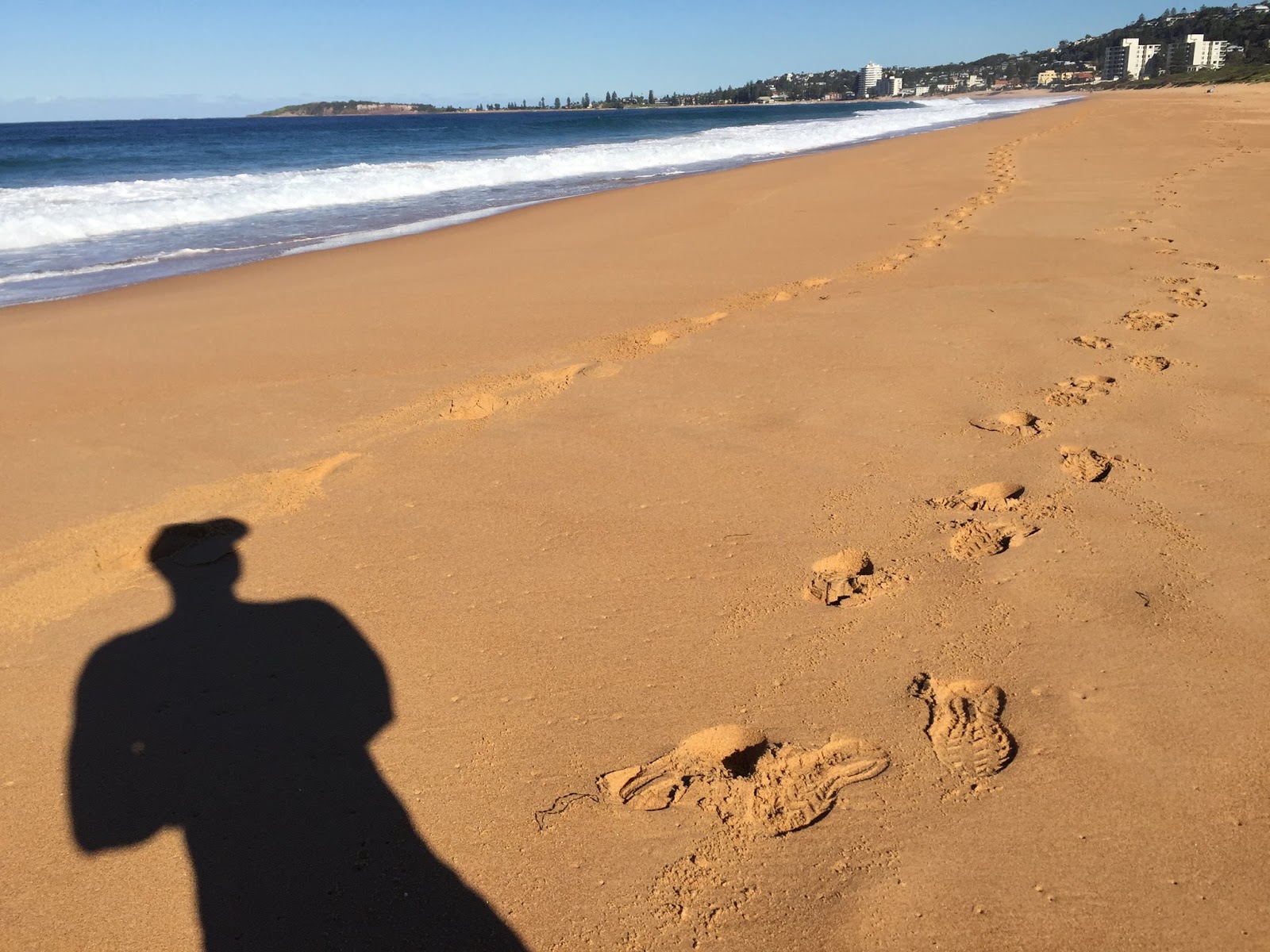
The bus cruises through long and windy avenues as the street lamps become more scattered and surrender to the quietness of suburbia, where I spend the next two days laying my towel in the soft golden sand of the beaches at Narrabeen and Collaroy, indulging in the cold waves of the Pacific Ocean waters with the same pleasure as I do in the early morning salutes of my new cockatoo friend and in the lush brunches by the Narrabeen Lagoon.

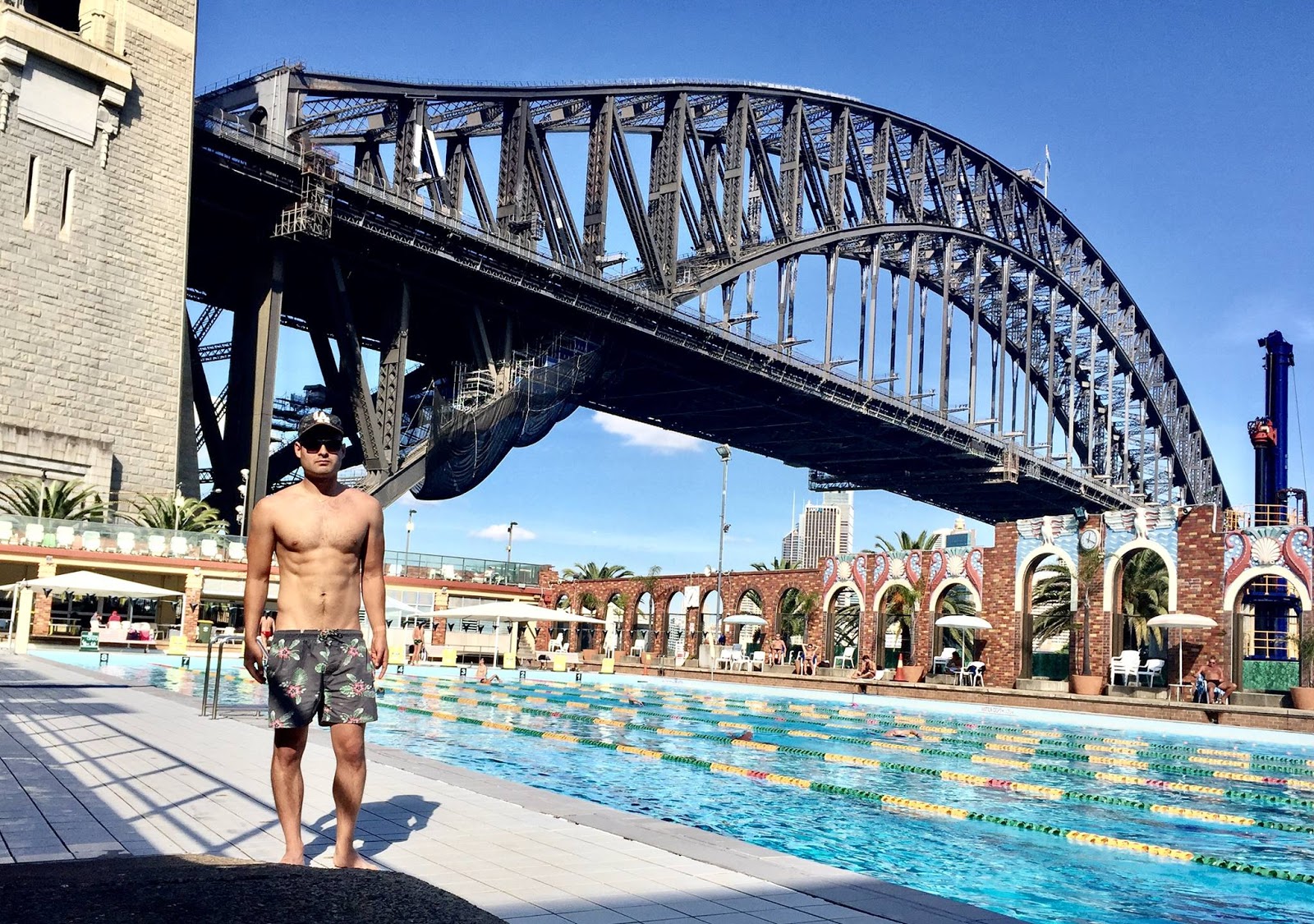
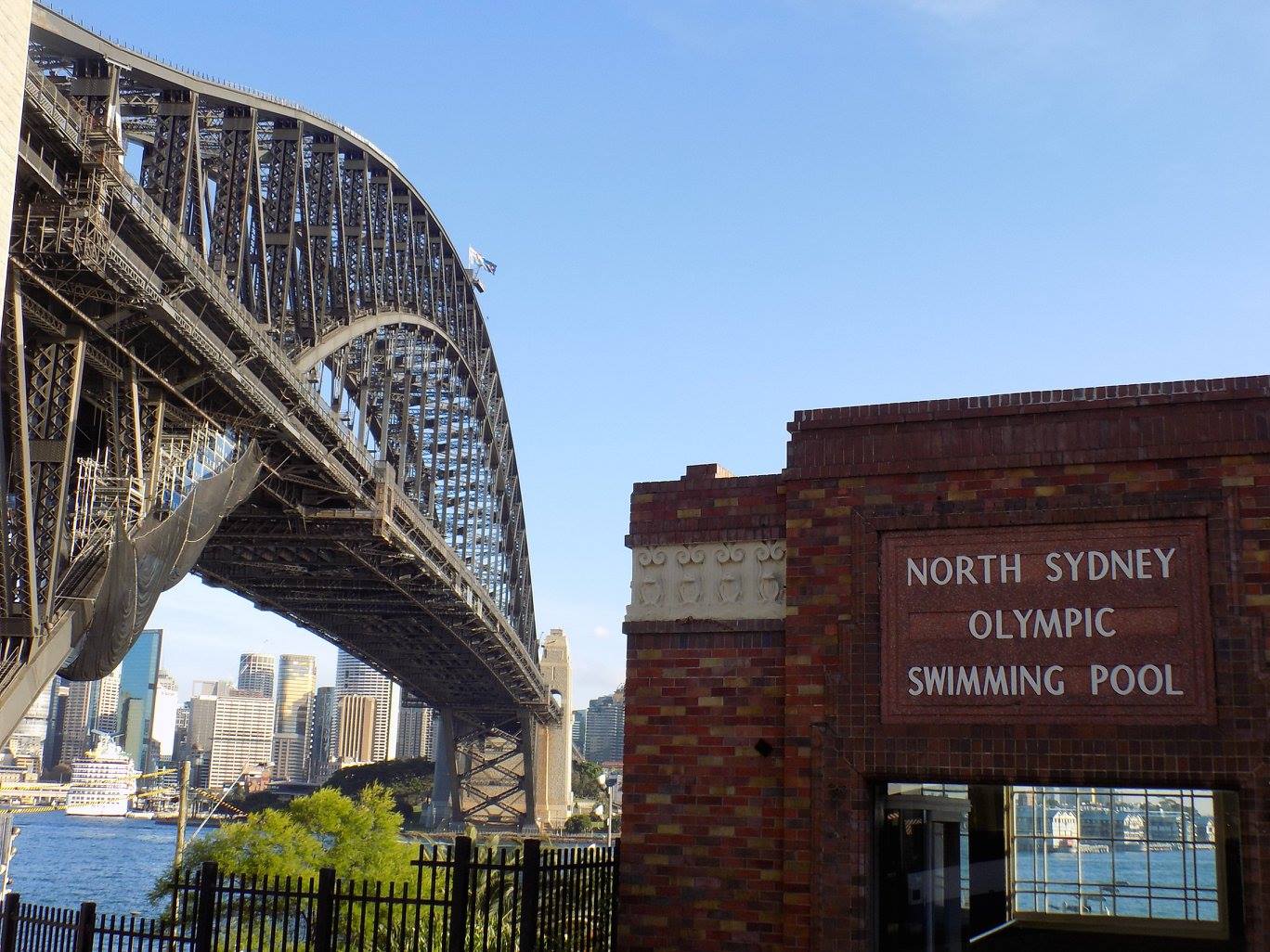
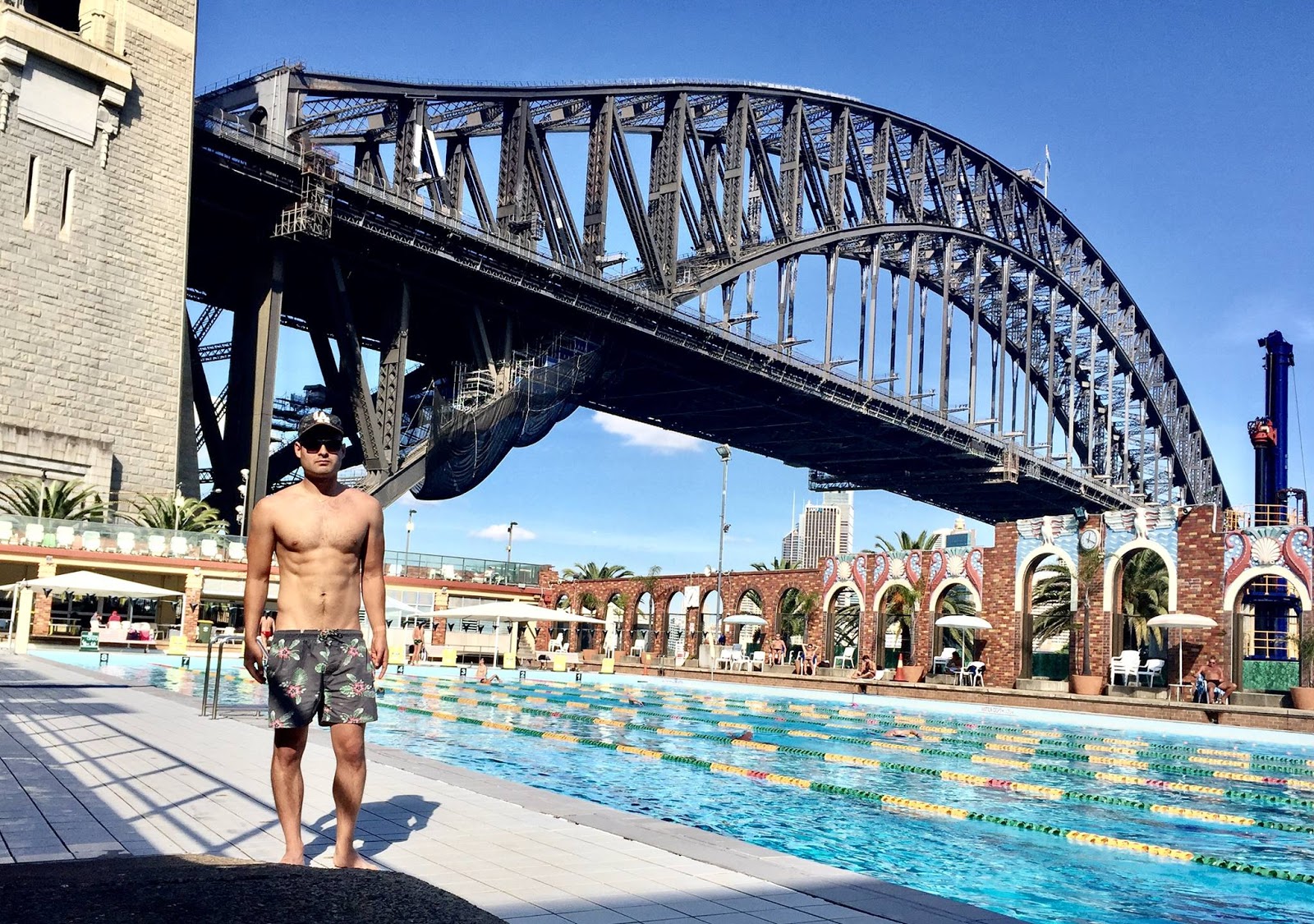
Crossing the Harbour Bridge on foot not only proves to be only an exaggeration of the beauty of a sunny day in Sydney but also hides a gem underneath, for the boats cruise at low speed and blow their horns next to the most beautiful Olympic pool I have ever swam in. The synergy of this nation with water in a nutshell and why not, an opportunity for a bit of a cool down and a few sprints of medley whilst the heavy trains speed up the Harbour Bridge at the sound of the steel beams swinging the weight in sync.
Later that day, I immerse myself in the world of trains and commutes down the tunnels of Town Hall station, at rush hour submerged in a hazy heat, where Sydneysiders wander around in all directions carrying bags and sweating under their business suits, their faces craving for the end of the day at home.
The train pulls into the last stop of the line and announces: Bondi Junction. Home for the next few days.
 THE FLYING CAMBA