
At an altitude of nearly four kilometers above sea level in La Paz, the thin air accounts for only sixty percent of that at sea level in Dublin. My lungs struggle as I try to inhale the sharp cold air and my head, numb from the long windy trip across the Andes, throbs at the constant honking of cars jamming the streets below the hotel window.
It has been a long trip from Dublin. An early departure from an atypically warm morning across the calm Cantabrian Sea and into the Spanish capital for some catching up with old friends and a long transit.
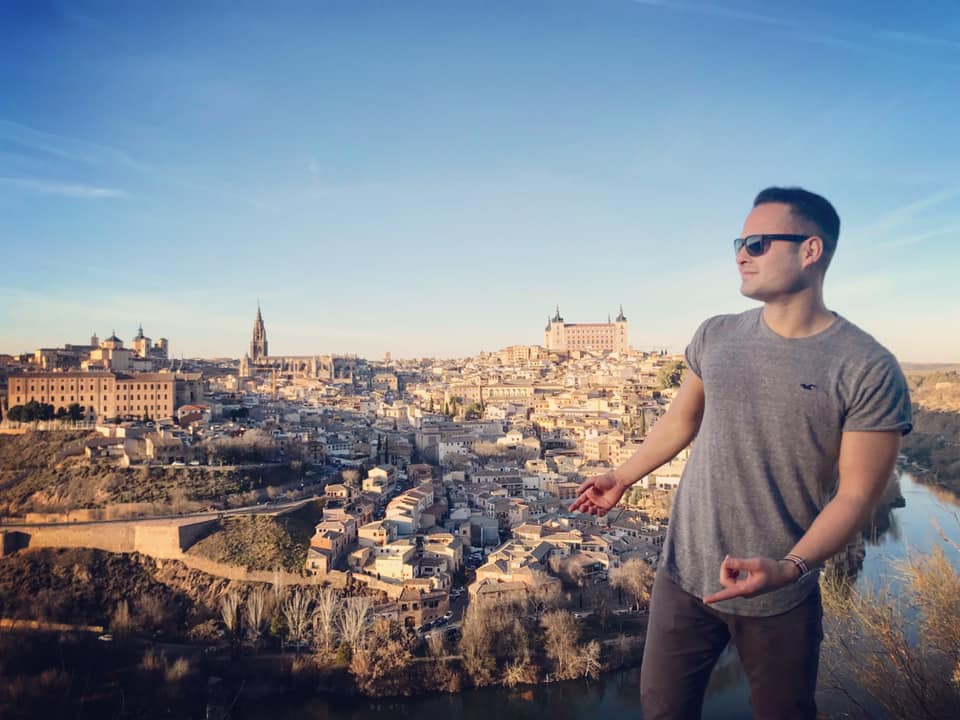
I visit historic Toledo and with no apparent rush, I lose track of time in the narrowness of its medieval streets, at a time in which a cold southerly wind blows across the bone-dry fields of Castilla La Mancha and the sun paints shades of terracotta over the thick city walls. The Land of Don Quijote glistening under the winter sun with its polished cobblestones and dark brick-walled domains.
The night is a swirl of blurred memories spent around Barajas and Viru Viru. An Atlantic crossing of no entertainment system and an old Air Europa Airbus, of small talk with the old lady sitting next to me and returning from visiting her daughter in London, of sleeping pills and blurry memories of a fainting passenger. When morning breaks, our aircraft lines up with the runway and across the arrivals halls, the friendly faces and the warm hug only a mother can provide await.
There isn’t much time for unwinding in the city and the twenty-four hours I have in Santa Cruz are spent lounging by the pool, eating chilled açai and quickly catching up in comfortable end-of-summer flip flops.

Gaining altitude is both a task and a journey. The landscape around the car changing and becoming drier by the mile. The lush green flat pampas broken by hills that rise to become mountains. The narrow road timidly attempts to conquer geography across bridges of broken asphalt. The air, slowly becomes thinner when the pressure drops. We reach the cloud ceiling at a place called ‘El Sillar’ and from here, the ethereal landscape of the Andes wide open its arms to us with the elegance of a flamboyant lady wearing arid veils crowned with the charm of a snow-covered diadem. In Cochabamba we find rest from the long drive, in La Paz we find rest from the stomach-wrenching last ascent.
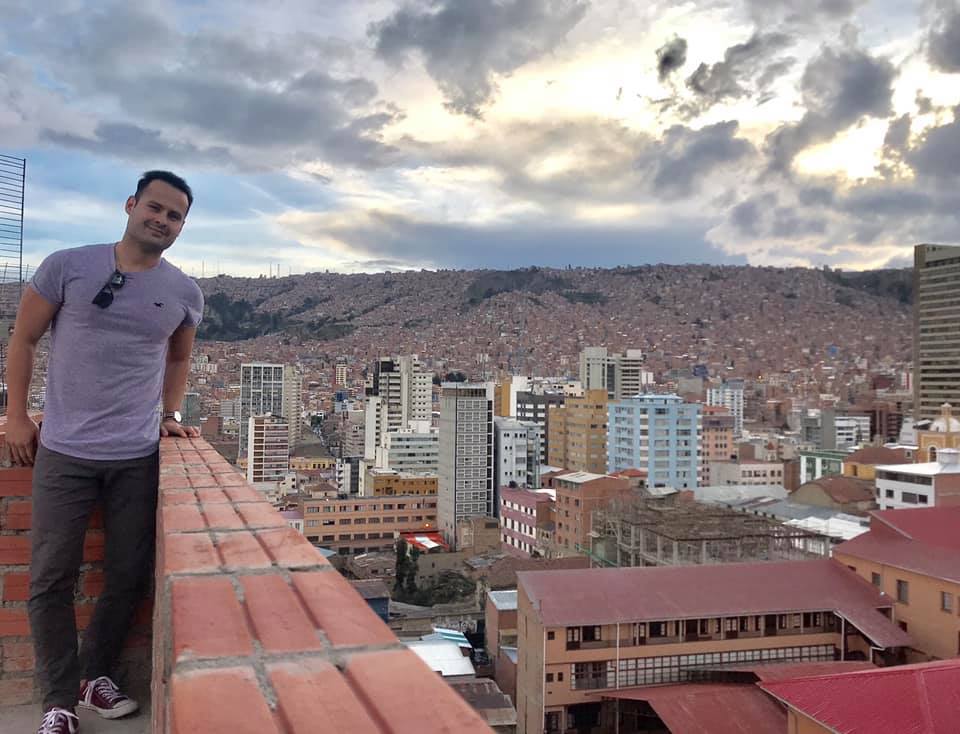
In a decade, La Paz has changed as much as my life has in Dublin. The city lies larger across the deep crevasses of burgundy rocks and the cable cars used as public transport in primary colour lines have now added a touch of futurism to the dramatically frantic valley. The streets in the city centre heave with cars that try to deservedly earn a spot in the dirty asphalt and the air, already scarce by the altitude, fills with diesel fumes. Indeed, Bolivia’s pseudo-capital might be an aggression to the body , but a feast to the eyes.
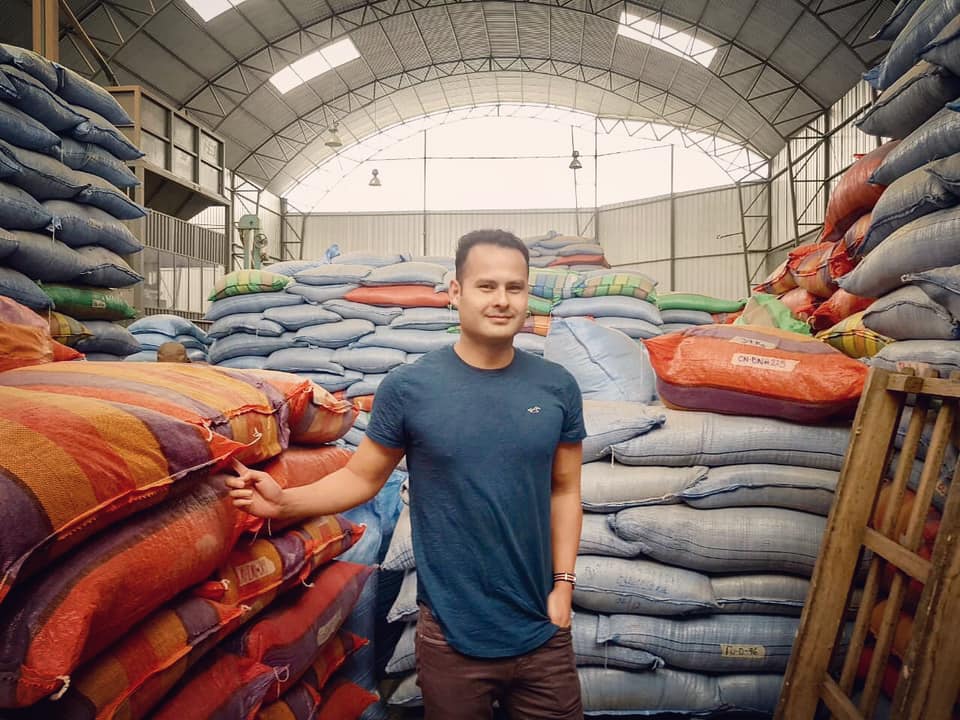
North of La Paz, the Andes declare a truce to the vast Amazon basin and descending through the ‘Death Road’, the town of Caranavi produces the best ‘cafe de altura’ I have ever tasted. A blend both as intense as the sun of these latitudes, and as smooth as the air surrounding the fertile inter-Andean valleys, with a lingering aftertaste of summer evenings in a hammock, overlooking the distant thunderstorms fighting a daily battle against the steep mountains.
The ‘Death Road’ is impassable due to mudslides, and meetings are instead held in the quaintness of the ‘beneficio‘ in Achocalla. Coffee & water the best remedy for soroche at this time.
In between meetings, my parents and I become avid fans of the cable cars and, zig-zagging through the valley, up and down the dizzy views of a city that seems to float in the dark sky at night, we find beauty in the chaotic sea of unfinished buildings crawling up the canyon. Most importantly, we reflect on the lives of those below, of hardships in the cold Altiplano to learn from, as well as victories to be celebrated along them in our imagination.
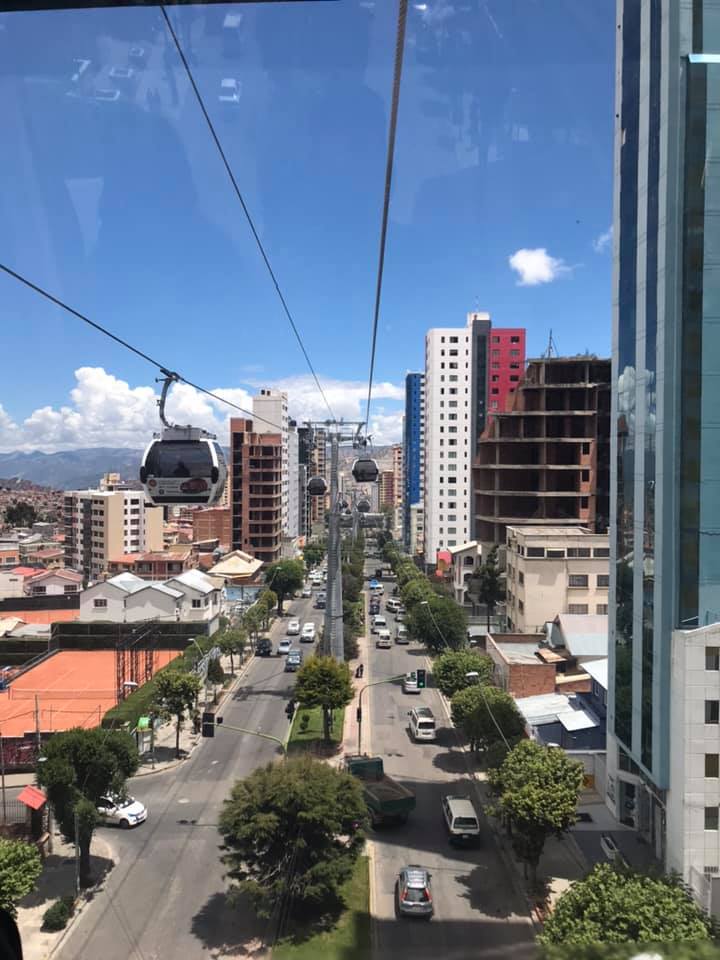
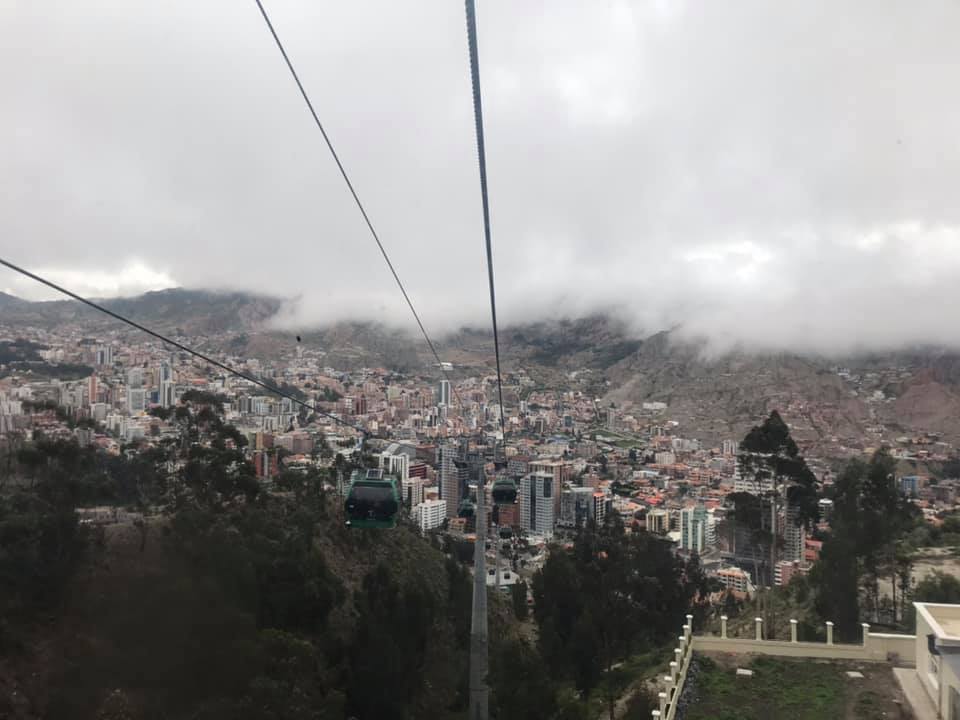
Away from the convulsed city centre and the hostile El Alto, a straight motorway runs parallel to a rosary of snowy peaks and veers West towards Peru.
There aren’t many places in the world as relaxing as Lake Titicaca. The thin air, the windpipes blowing in the distance, the bright colours of the aguayos dramatically set against the turquoise waters. Shores of bone-chilling calmness lulled by the roar of waves crashing against the stony shores of our whitewashed Santorini-like hotel.
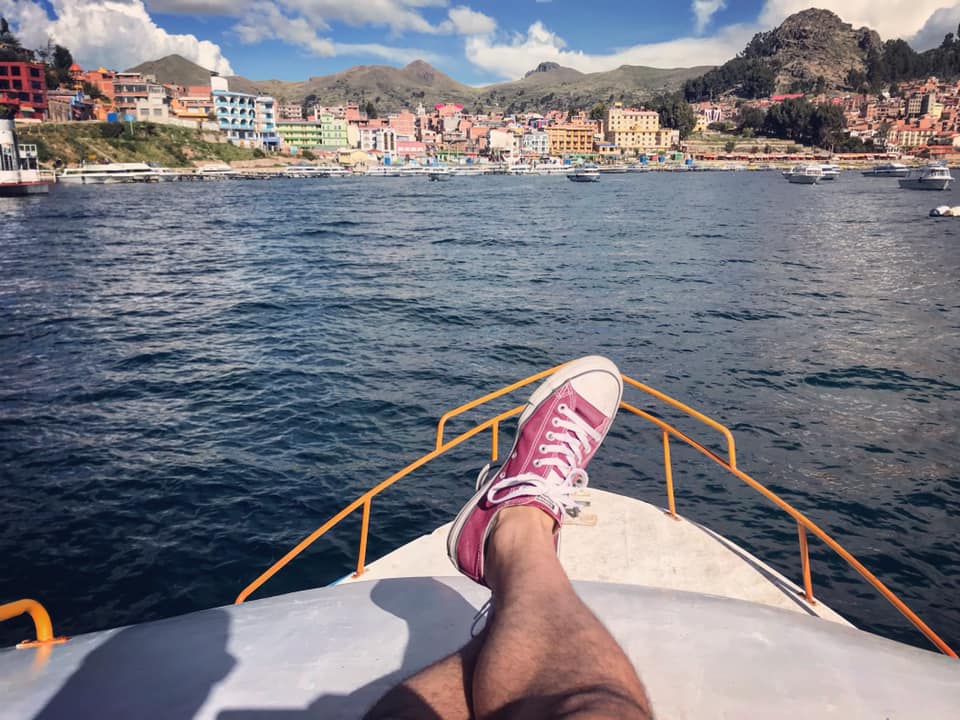
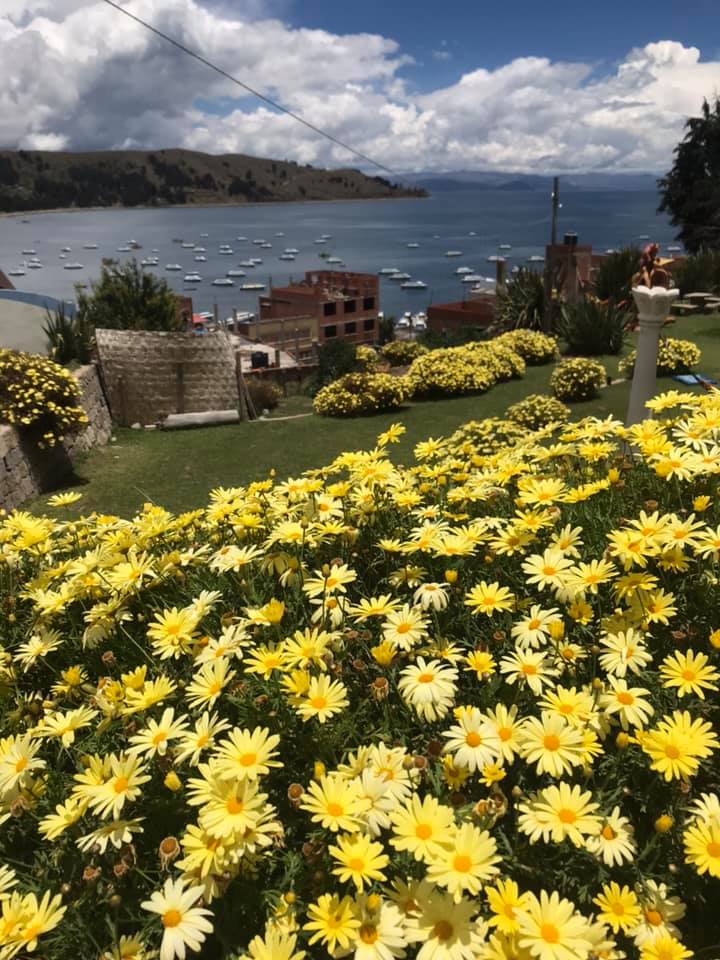
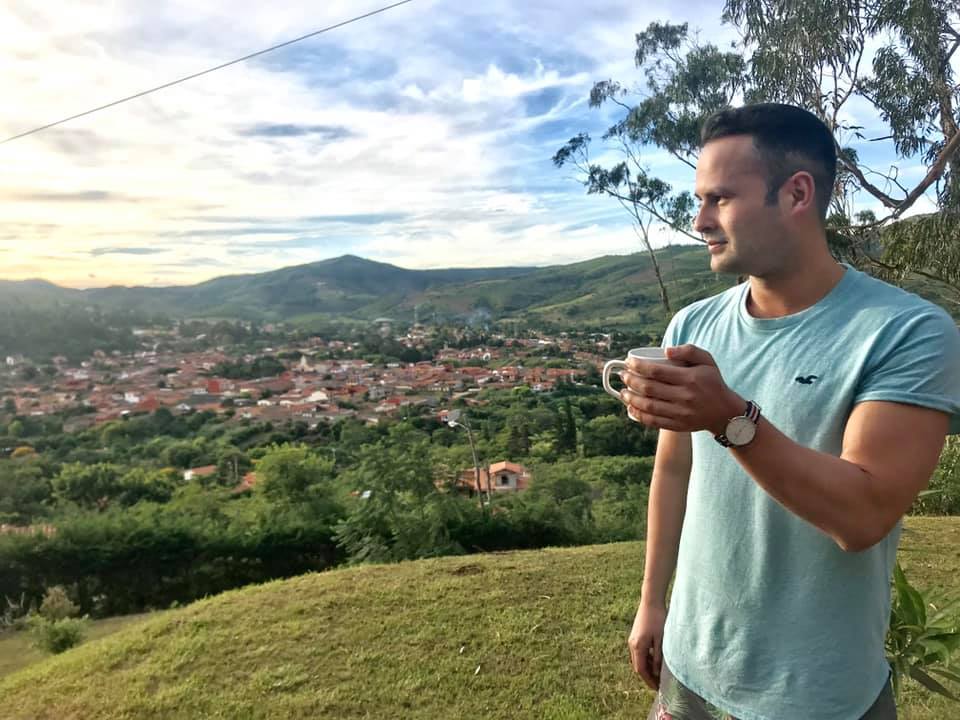
The final cure: two days and two nights of white wine, local grilled trout and quality time with the parents. Later, leaving Titicaca proves to be as hard as the long descent to Cochabamba and further along to Samaipata. I take the front seat and open the window fixing my eyes into the changing horizon of flat arid steppes to deep valleys cut by murky rivers vigorously transporting glacier water to fertile lands caressed by blue skies.
Samaipata has been part of my traveling tales for years. A safe haven away from troubles and charged with memories of smoked ham and eggs on toast at the veranda, of siesta time broken by passing thunderstorms and freshly brewed coffee and of nights playing poker and drinking tannat with the family. A place for longing past memories, a place to long for a future retirement.
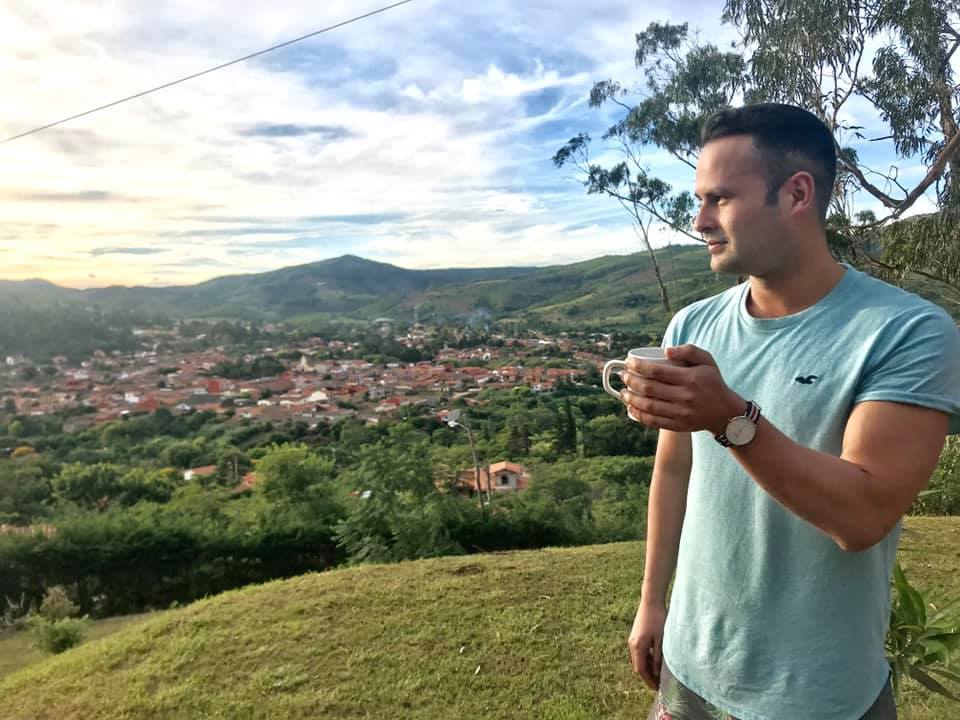
In Santa Cruz, meetings dot my schedule for the remainder of the trip, North to South and East to West of the concentric rings of the city layout. The heat seems to have appeased in late February and the evenings become a pleasant surprise of cocktails, Argentinian beef and long chats.
A trip to South America reminds me how we tend to forget that, as our lives have changed, so have the lives of those around us. Just as the city proudly displays new shopping centres and high-rise apartment blocks, kids have grown taller, plans have taken different turns, some families have grown apart and some families have grown closer.
On departure, tears are nowhere to be seen. They have now been replaced by excitement of future ventures and a desire to return more often.
I have twelve hours to process my days in Bolivia. At take off to think about the endless possibilities that now await for me in Dublin and the effort to be put on these, during cruise about the chats and lessons learned from those I grew up with, and just shortly before arrival, to think about the precious memories created on this trip, the ones that make every penny and every kilometer traveled worth it.

In Madrid, I spend the day on my own. I eat tapas at Mercado de San Anton and bask in the winter sun at the Parque del Retiro. The day grows colder and preludes a windy midnight arrival into Dublin Airport.
I have bought Nordes gin at the duty free and prepare myself a drink in Sandycove: ‘to new ventures, to traveling, to family’. Salud.
 THE FLYING CAMBA