
Hearts race at the unison of bells ringing the Angelus in the distance at six. Every day, through the small TV in the living room, the government briefing announces both the rise of number of COVID -19 cases and the fall of any possible traces of our life as we know it. A suffocating travel limit of two-kilometres is imposed to contain the virus. Two kilometres of solitude in a brand new strange place.
I see how my little cottage in the countryside transforms into a home, a bakery, a gym, an office. I email airlines for refunds as I juggle my attention in Zoom meetings in which we smile through video and are carried along by hope. I schedule calls with those near and far, as the pandemic closes doors and borders rendering us isolated within our homes with no chances of visiting relatives, no chances of saying goodbyes.
I join others and hang onto the thought that it will be over soon, though we do not understand it. Denial, conspirator theories, frustration and panic somatised at every scratchy throat and sneeze.
And the big things in life seems to fade in clouds of uncertainty only lit by a weak lighthouse of hope. A hope of finding happiness in the small things in life.
A walk in the forest creek furiously roaring down the mountain after the last of the spring rain, the clocks going forward for the long awaited stretch in the evenings, the light cotton clouds dissipating over Dundalk Bay at times suspended in a blue sky almost as empty as our aspirations which now seem to be running like a surrealistic Dali painting, time and place stopping and melting onto the branches of whatever plans we had.
It takes eight weeks for the floor to collapse underneath me, crashing full force into walls of stomach-wrenching sadness. And on June Bank Holiday, I wake up stone cold and nauseous at the campsite on top of the Cooleys and the chilly morning wind blows my thoughts into a cumulonimbus of thoughts crushed by responsibilities.
In Newry, my body twists in frenetic bouts of electric tingling and my mind enters an area of sedated numbness, for when the sun dies across the field of potatoes next to my cottage on this Sunday evening, I am already intoxicated in Moldova’s cheapest vintage ready to vanish from Earth.
And this is how lockdown works.
A rollercoaster of events and emotions happening all at once. A diaphragm-originated cry expelled from the body like a gagged curse of drool and snot, followed by the almost immediate and ridiculous positivity of making futile plans in a vain attempt to make it stop.
It is in such rollercoaster that I spend my savings on a reliable car for enhanced chances of exploring my isolation, when later that same day I find myself tucked in bed bawling over family news across the Atlantic. It is in this rollercoaster that I lay still, still until I am unable to feel. Unable to feel the void left by the absence of close friends, the void left by deceased dear ones, or unable to feel the passing of time in the long summer days in suspended animation in the peninsula.
When the ‘curve is flattened’ and the borders reopen, those met by video are met in person around dishes of apple crumble recipe, and one by one, every mountain in the area is conquered in fast sweaty hikes, a sweat as anxiety-cleansing as the detergent used by my mother in her daily grocery-cleaning routine halfway across the world.
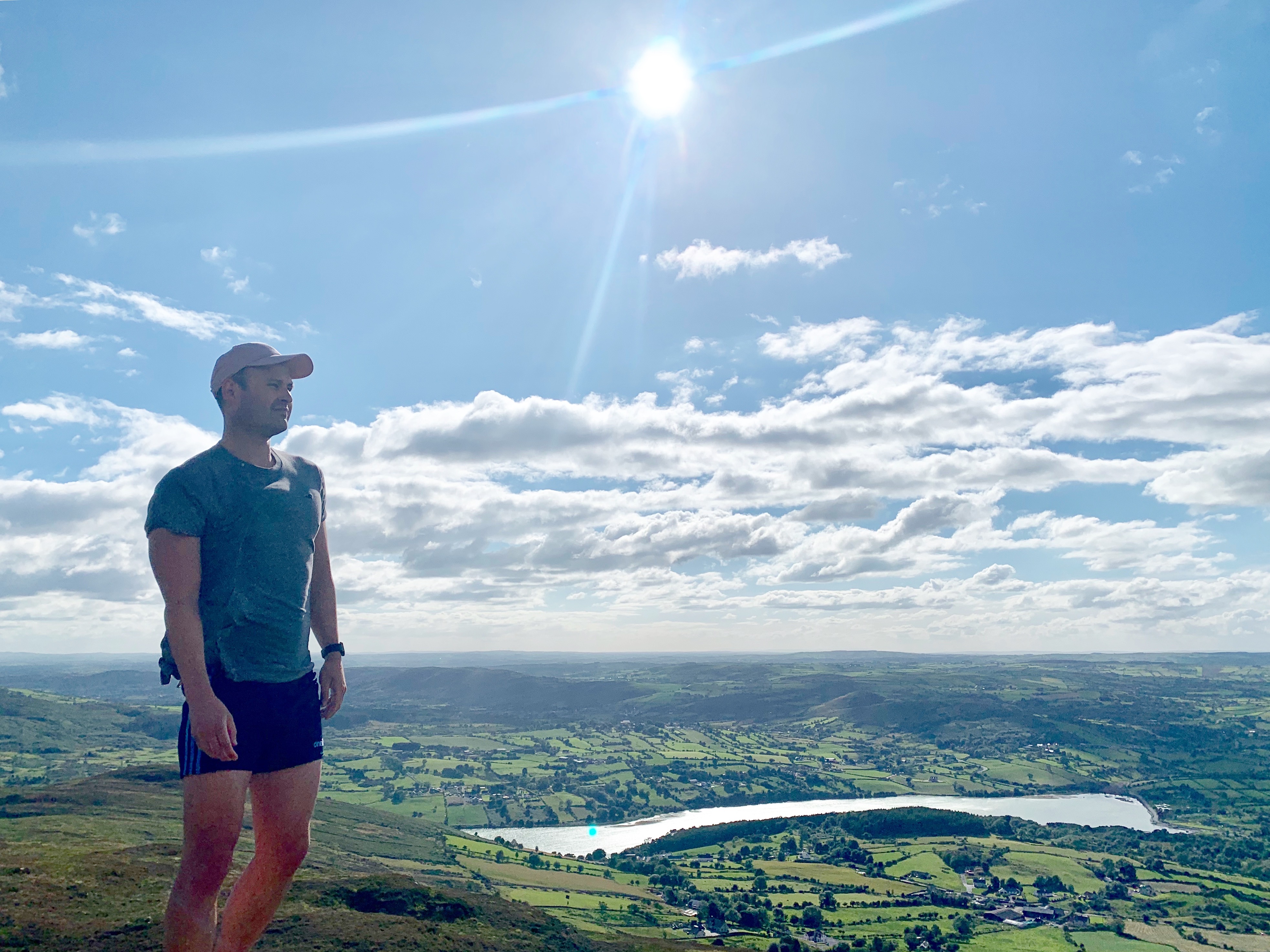
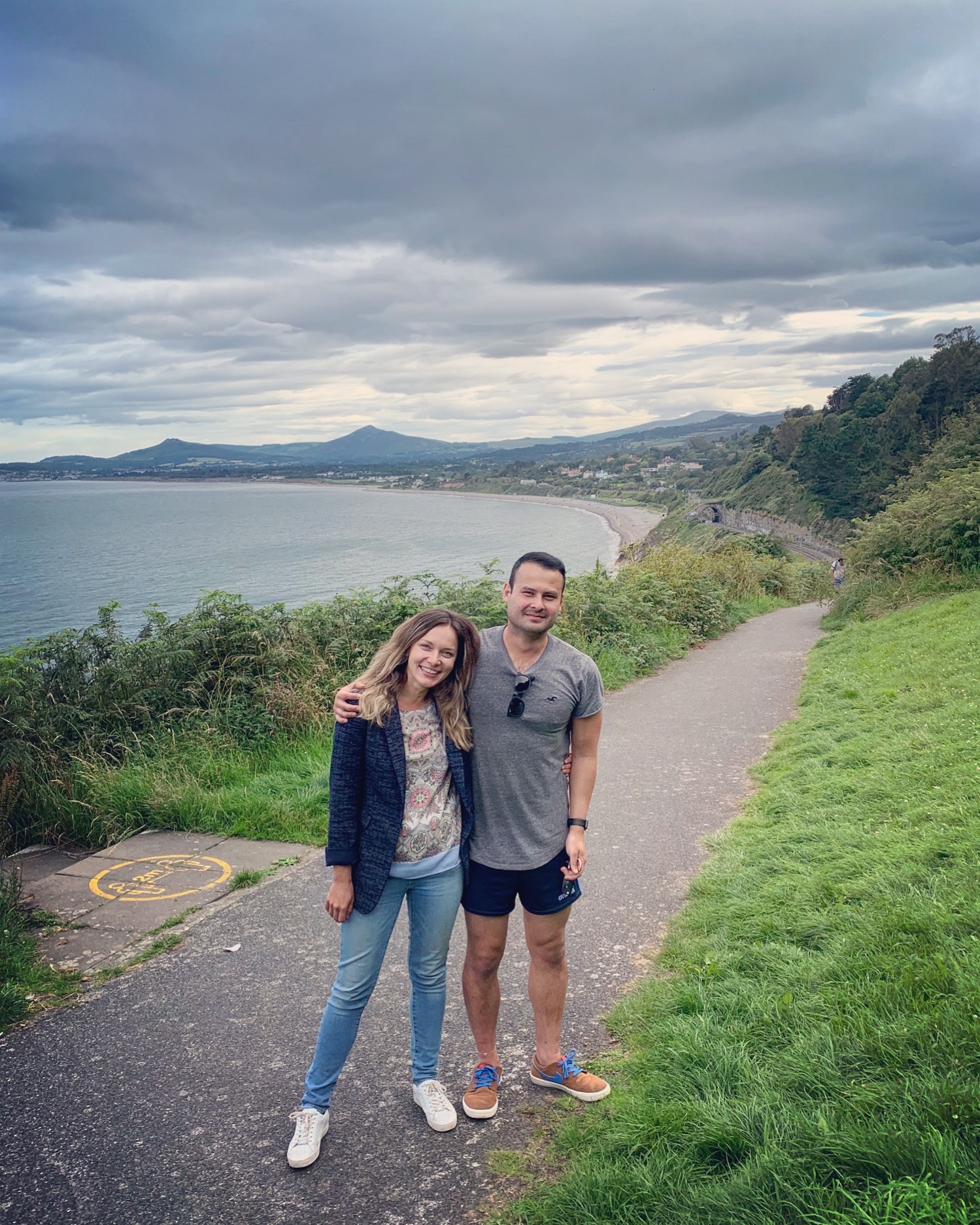
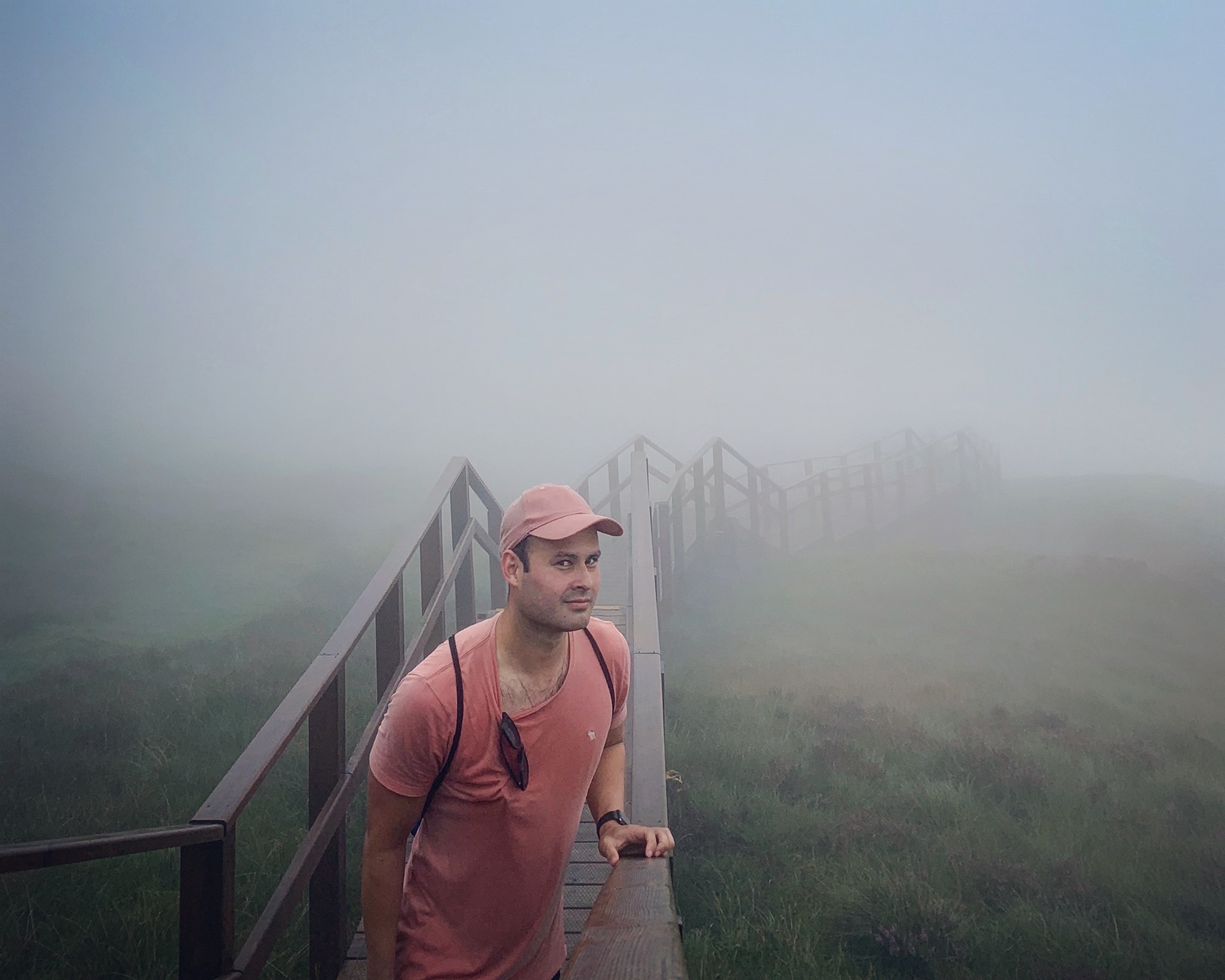
A staycation is allowed at the fourth month. Car keys in hand and tent in the boot, I drive West with no plans, stopping at the Stairway to Heaven for views of nothing but fog, calling at Bundoran for a catch up with an old friend, and finishing the first day away driving aimlessly until it is dark, resting my head in the cold plastic bottom of my tent pitched in a greenery in Mullaghmore.
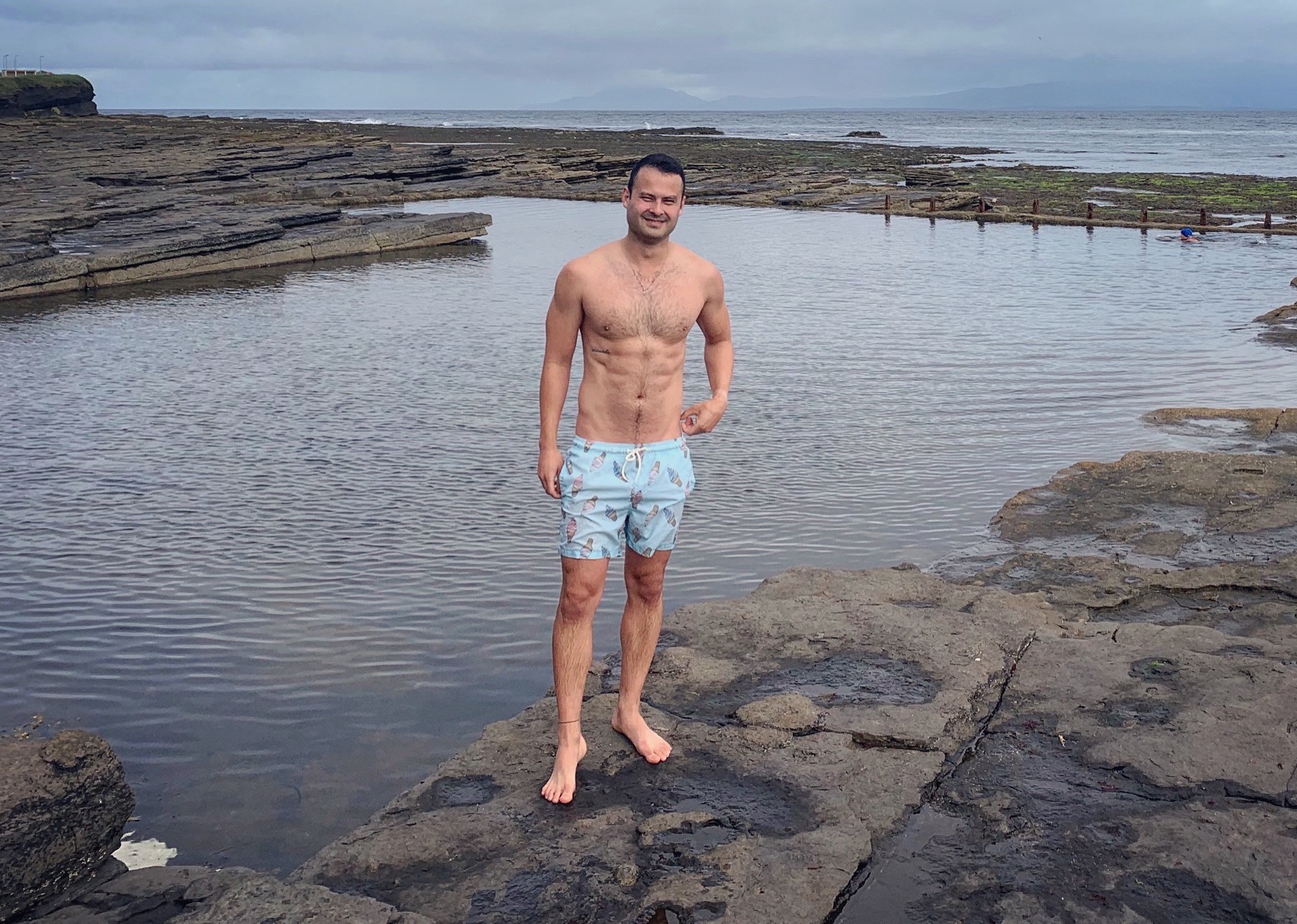
In the morning, I walk next to a road battered by the sea in perfect solitude, at six in the morning, the small peninsula still cold from the night tucked into the shade of the Benbulben. Later at the LIDL car park in Letterkenny I find coordinates for the Northernmost point in Ireland, hoping to find a place to rest.
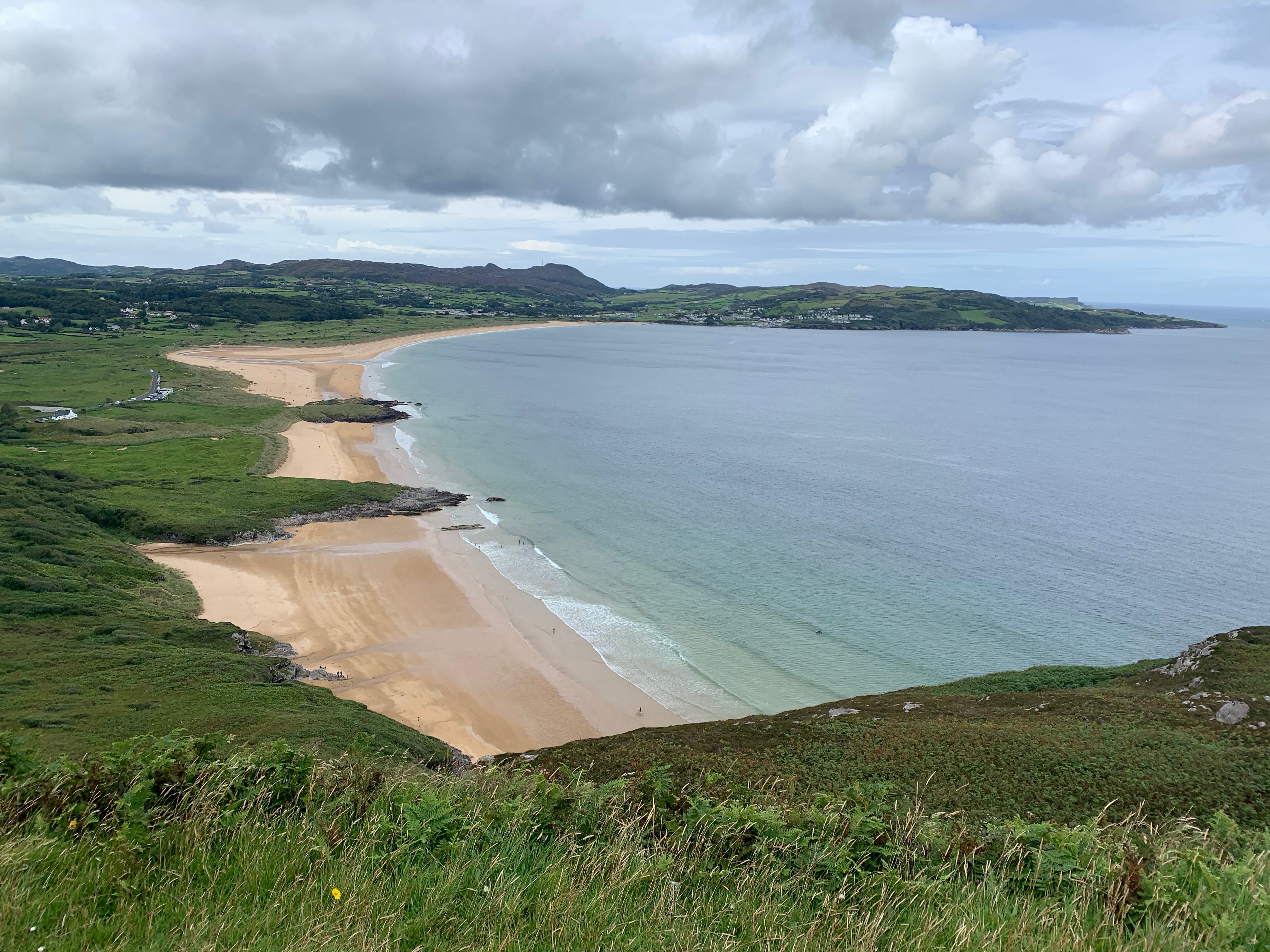
Periodically ranked amongst one of the most beautiful beaches in the world, the golden sand dunes of Portsalon flirt with the nearby green mountains in a rugged dance harmonised by the waves of the North Atlantic across hypnotic ripples of blue water. I take my shoes off and walk across the gently massaging fine sand, a reward for the long drive to one of Ireland’s best kept secrets.

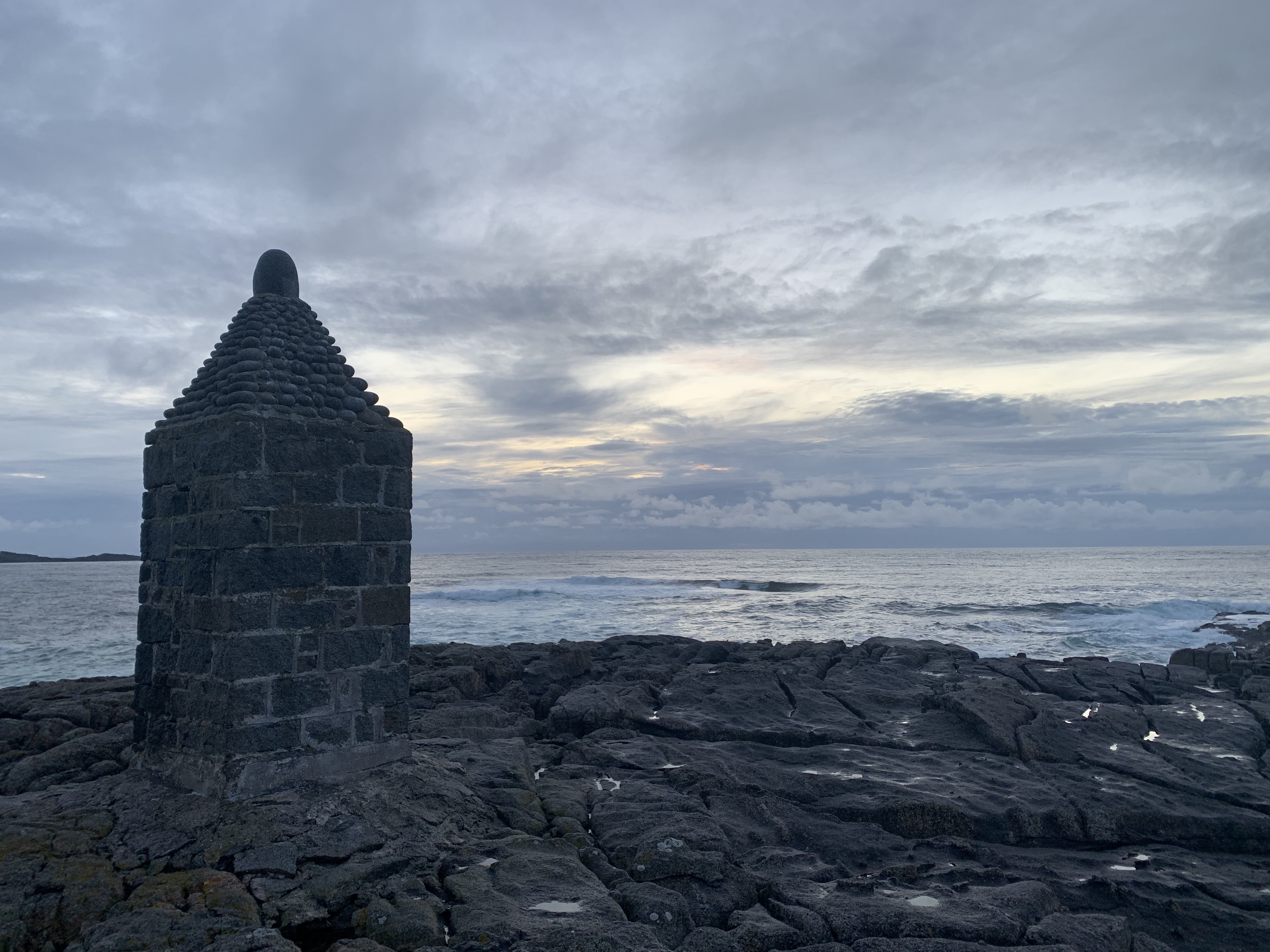
In Milford, I talk to strangers while overlooking the oyster farms that line up the inlets like barcodes of rust under the silver water, and when the day dies at Ballyhoorisky Point, the battering waves crash against banks of overwhelmingly crippling solitude.
Rain is in the air and I pack the tent up. I find a car park next to a deserted beach and carefully fold down the back seats of the Golf. I open a window and look out at a sky at times clear with a million stars and at times heavy with silver clouds parading against the full moon spotlight.
I hear the water tricking across the windshield at midnight and stretch myself in the sleeping bag in sleepy exhaustion.
I wake up to my bowels growling in pain and once I find a secluded spot in the dunes and the sweat is cleared off my forehead, I sit down and contemplate the silver waves combing the sand of my very own private deserted beach, the sun finally rising over the mountains to guide my way West to Fanad Lighthouse for dramatic views of historically rich Lough Swilly, and finally South the same day through the fields of Omagh and Armagh back into Louth.
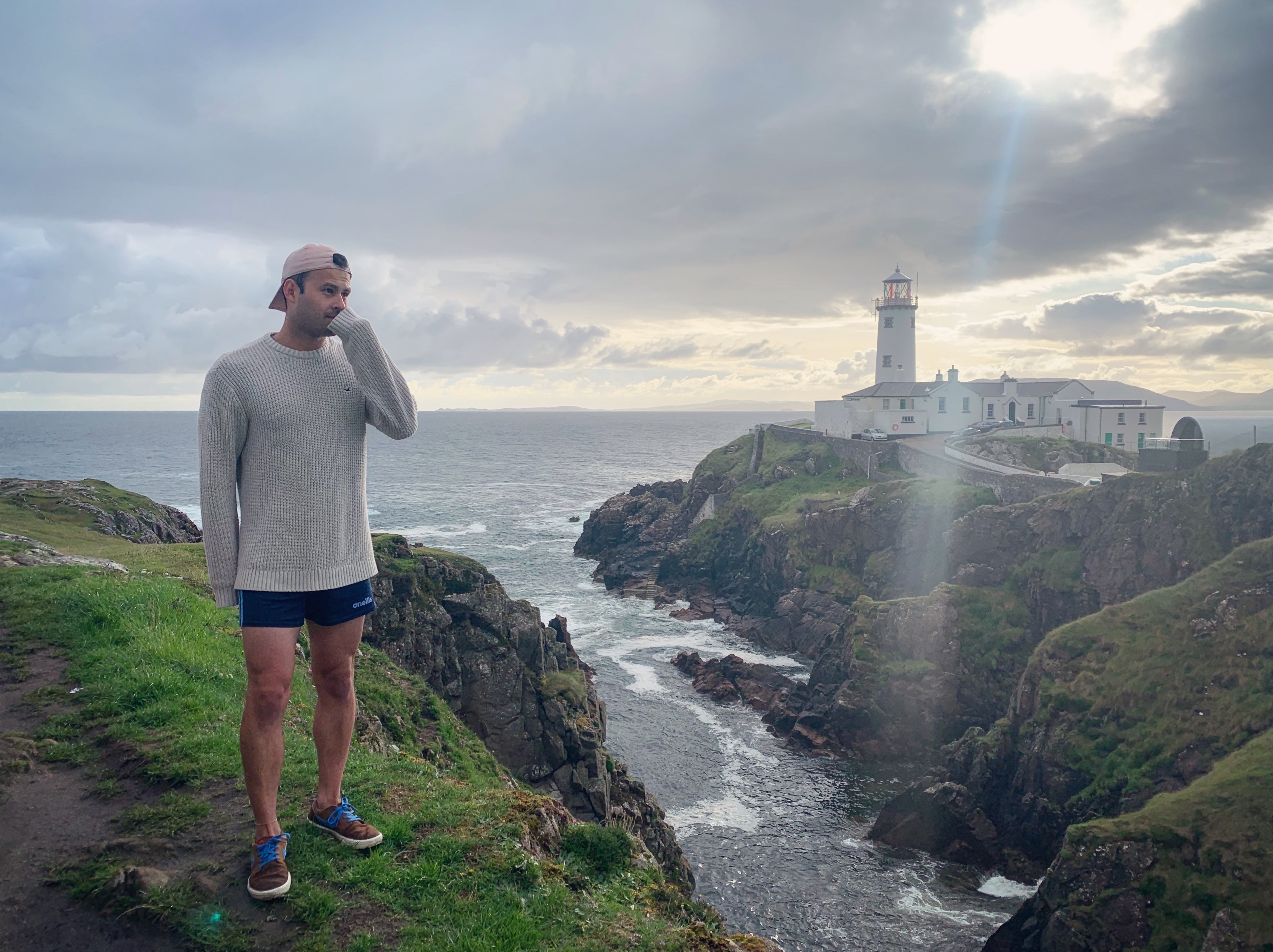
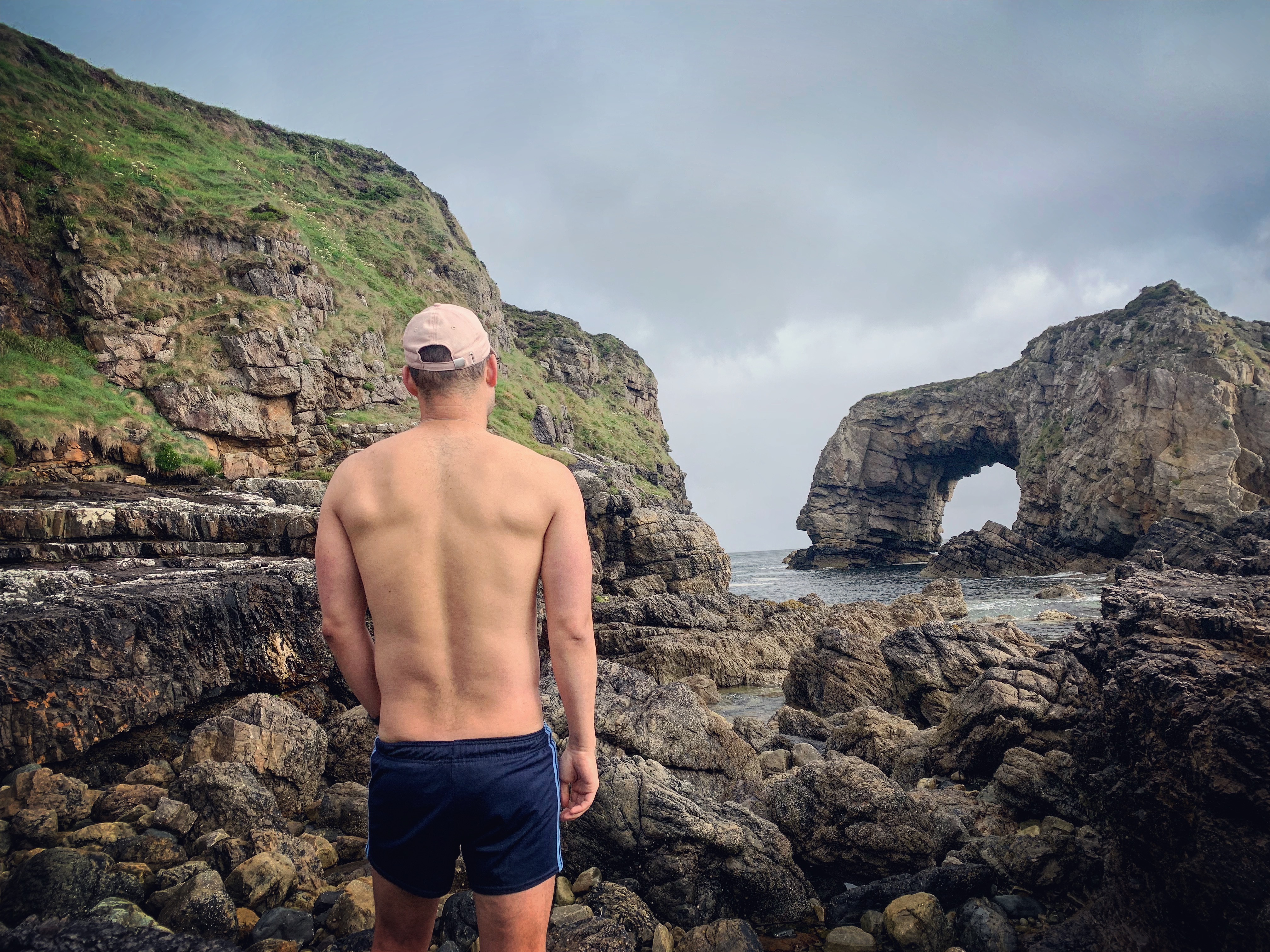
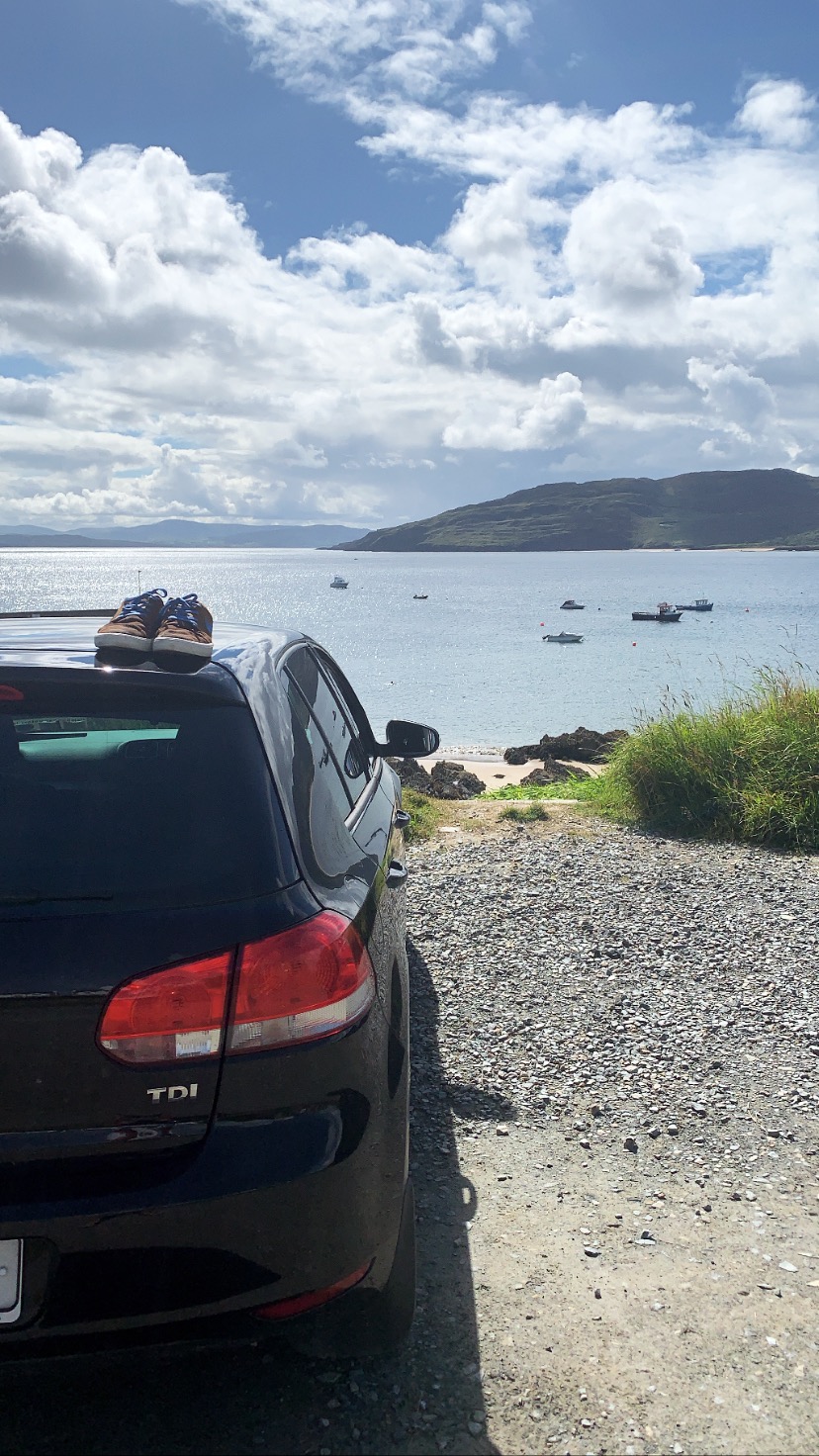
Upon return, the world seems to frenziedly move towards a makeshift normality. I receive positive news from work, at a time in which friends have lost theirs. The local pool and gym reopen for me to work my anxiety to exhaustion, at a time in which friends have passed away in the distance. I rely on newly made friends, at a time in which I am unable to plan a visit to my family.
And once again this is how lockdown works.
Dwelling and celebration merge into the same lane. A heirloom of ‘ready-to-take-over-the-world’ mornings intertwined with sunrises of barely having the energy of moving.
We learn to live with less, for lockdown has shown us how fleeting life can be. We are forced to live with our own selves, for lockdown has shown us what we lack and crave. We are stronger, for lockdown has shown us that we are humans that can feel.
Stay safe.
 THE FLYING CAMBA