
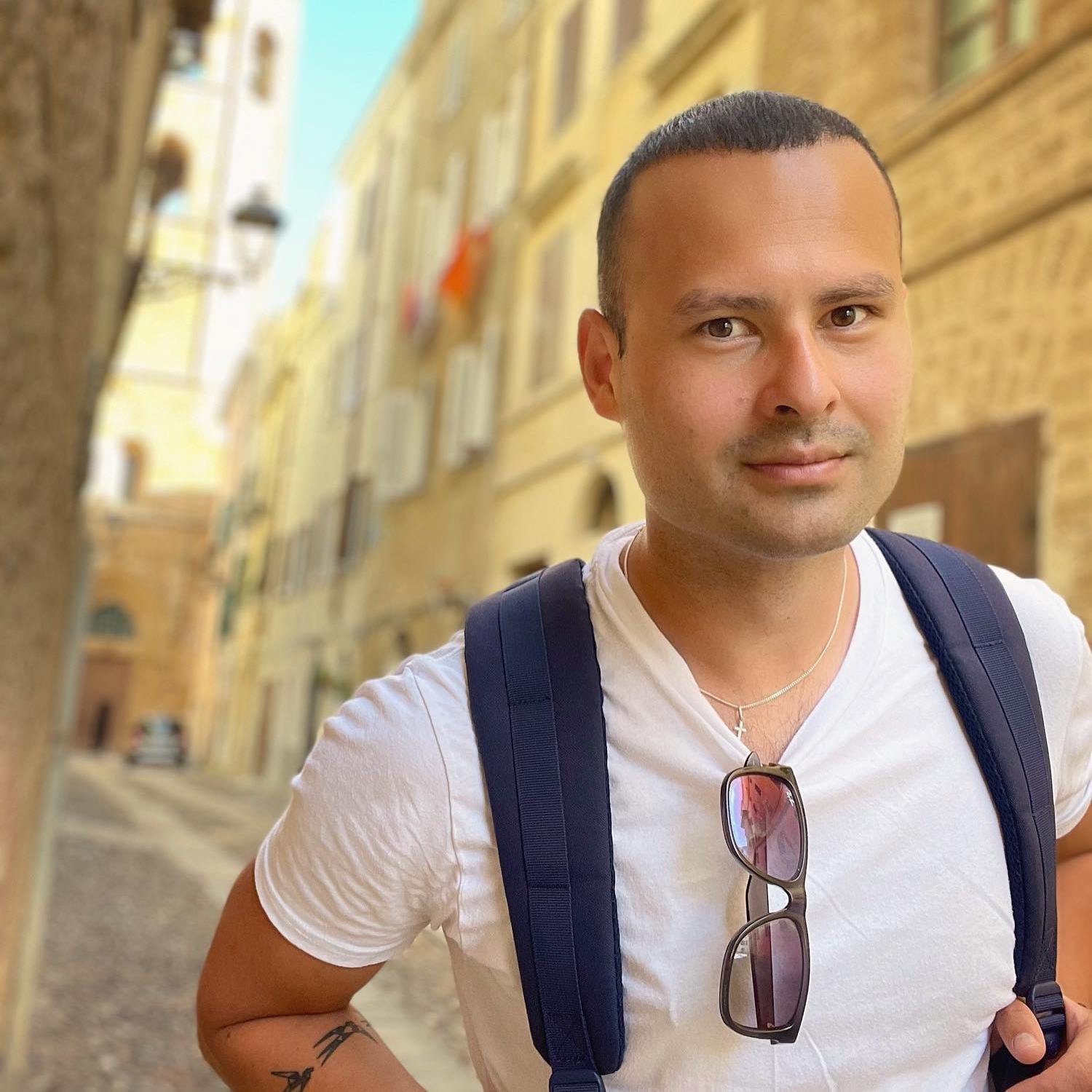
‘I will see you soon’ I say in a whisper. A hug broken by the sickening taste of goodbye. I firmly walk towards the departure gates and prevent myself from turning my head around to prolong the pain. I do not let her see me crying though I am aware she already is.
I sit in my living room and look at the sunlight that warms the room in mid-September. The furniture is shining under a coat of polishing and the kitchen countertops are too pristine to venture for a cup of coffee. I have just spent hours cleaning the entire house and, just like months of cobwebs were finally destroyed, I aim to dust off the thoughts of recent events in my head.
Travel seemed to always do the trick. Whenever I felt suffocated by gruelling training sessions, I knew a competition abroad was coming. Whenever the future shaped pointless, I packed my rucksack and ventured to the unknown. Whenever my reality was too heavy to bear, I jumped on a plane to think.
And travel works in strange circles, and memories fight for room in the swirl of the moment. I rush to Dublin Airport on a crisp sunny evening and in a couple of hours I land in Bordeaux. No French fanfare or food on this occasion as the flight delay ensures I make it to my airport hotel to check in and scavenge for the remains of a Friday night.
In Bordeaux late at night, I reminisce of my orange-tinted night walks in Santa Monica, the sad line up of fast food neon lights clinging onto freshly laid pavements almost perforating through any appetite left. And in Sardinia the next morning, I emerge by long roads of dry olive trees and blue sea similar to my dear days of looking at the Mediterranean fiercely breaking across the stone walls of Alexandria.
I walk towards the beach and wipe the sweat off my face. ‘Stupid me, I should have taken the bus’ I think while I crave for water, ‘Stupid me, I probably deserve this’ I mumble while I shift my backpack to the opposite shoulder. A numb mirage of a Fiat on fire follows, and a stranger’s pity as the hills roll rapidly under the jeep’s wheels alleviate the walk. The bells of an abandoned church do not ring at ten, but the sun still caresses the abandoned entrance.
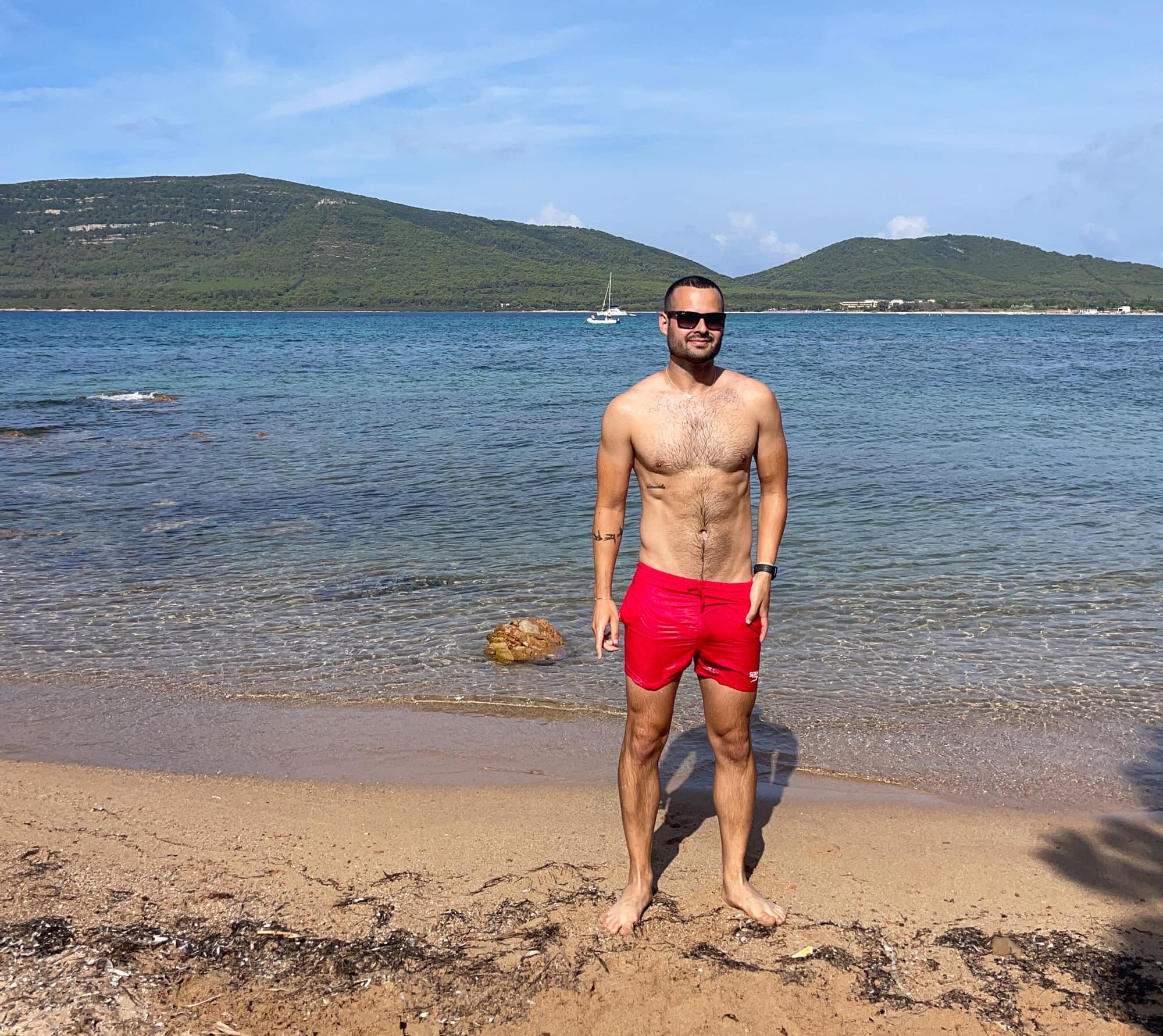
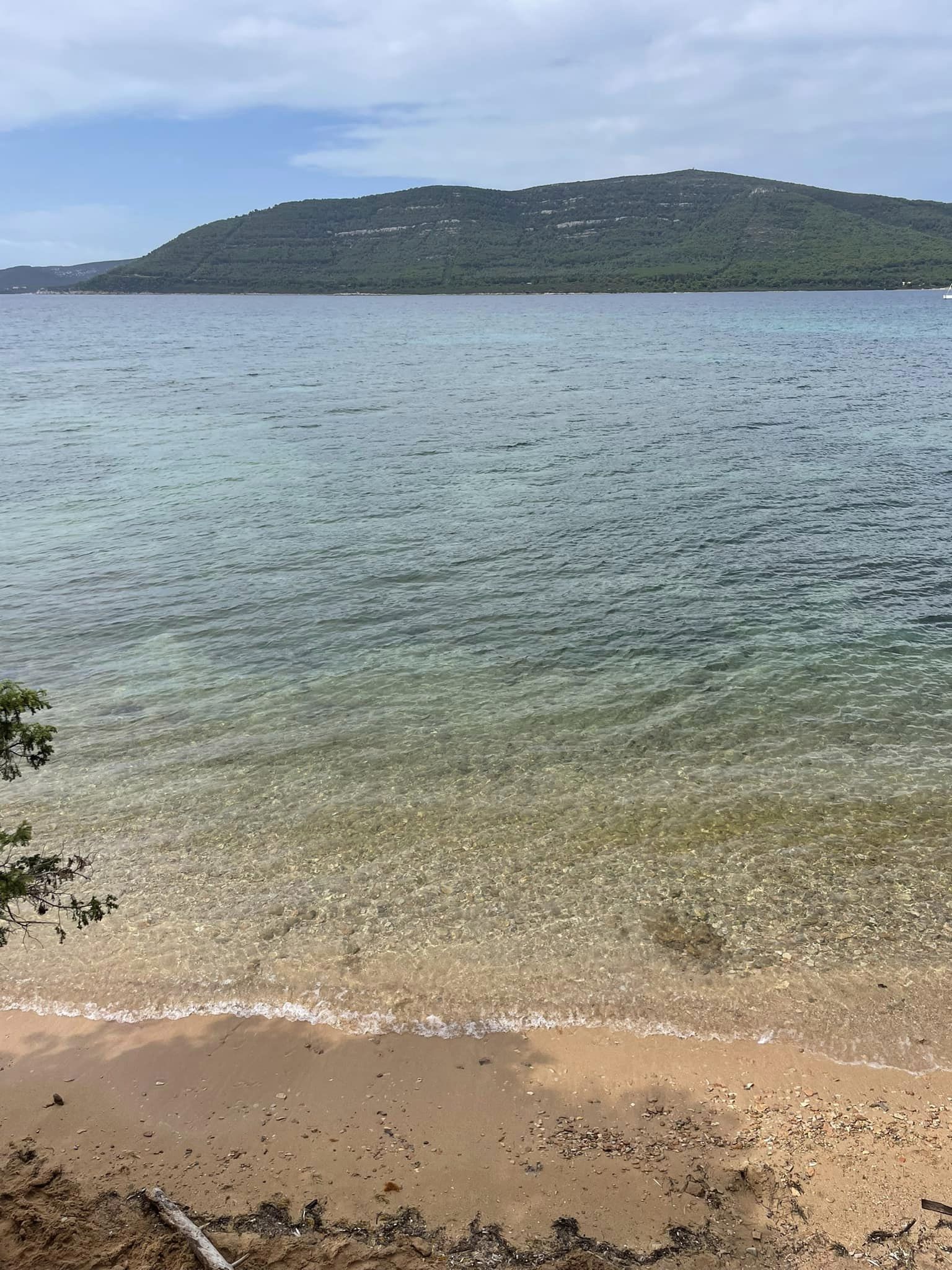
There are no nudist in Mugoni in the morning and I score the beach to myself. I lay a towel under a tree and I feel my toes stepping onto the warm sand. The sea changes in infinite tones of blue by the second, like a gracious dame seducing tourists into the warmth of its watery gown. I jump in and close my eyes, opening them to the perfectly blue sky. I feel a stone hitting my foot but pay no attention. In the distance, Capo Caccia protects us from the high sea and draws gentle lines of grey limestone in the sunny horizon.
Hungry, I walk through the desolation row of Porto Conte at the midday break. I scoff at the lack of shops and feel my step heavy, only finding relief at Fertilia, where in the best Mussolini style, a shop attendant looks at my sweaty being in disgust as I pay for a bottle if icy water.
But what does Alghero has to do with this? Alghero proves to be no more remarkable than any other place I have been to in the Mediterranean, yet that is what it makes it unique.
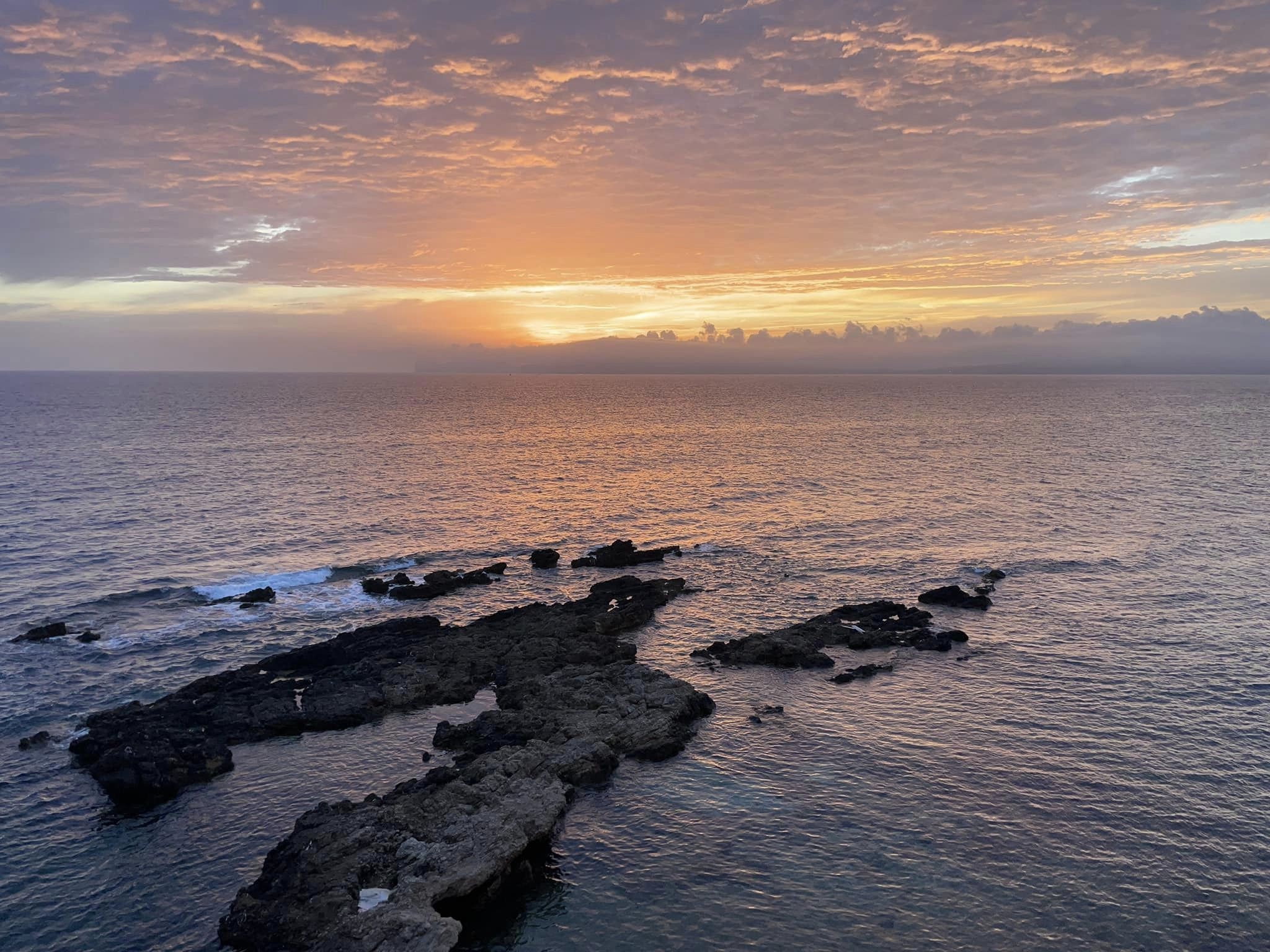
It is the stranger’s smiles while having a beer at the long sandy beach that sets the tone, the Old Town of little streets engulfed in buildings of granite dotted with colourful overhanging pieces of clothing that embraces, and it is the sunset in pastel at the Bastioni that finally seduces.
I walk aimless for hours before setting for dinner of seafood and ravioli. The waiter brings me house wine and the island suddenly seems to turn. For hours at once, I cram over the book I placed on the white tablecloth and sip in between courses intending to ignore the bust and noise of a summer evening in the Mediterranean. But to be half drunk and alone in Sardinia, to have the lingering taste of exquisitely fresh seafood in tones of white wine, to see the night die in the middle of a random piazza having pistachio gelato, to be just alive on my own.
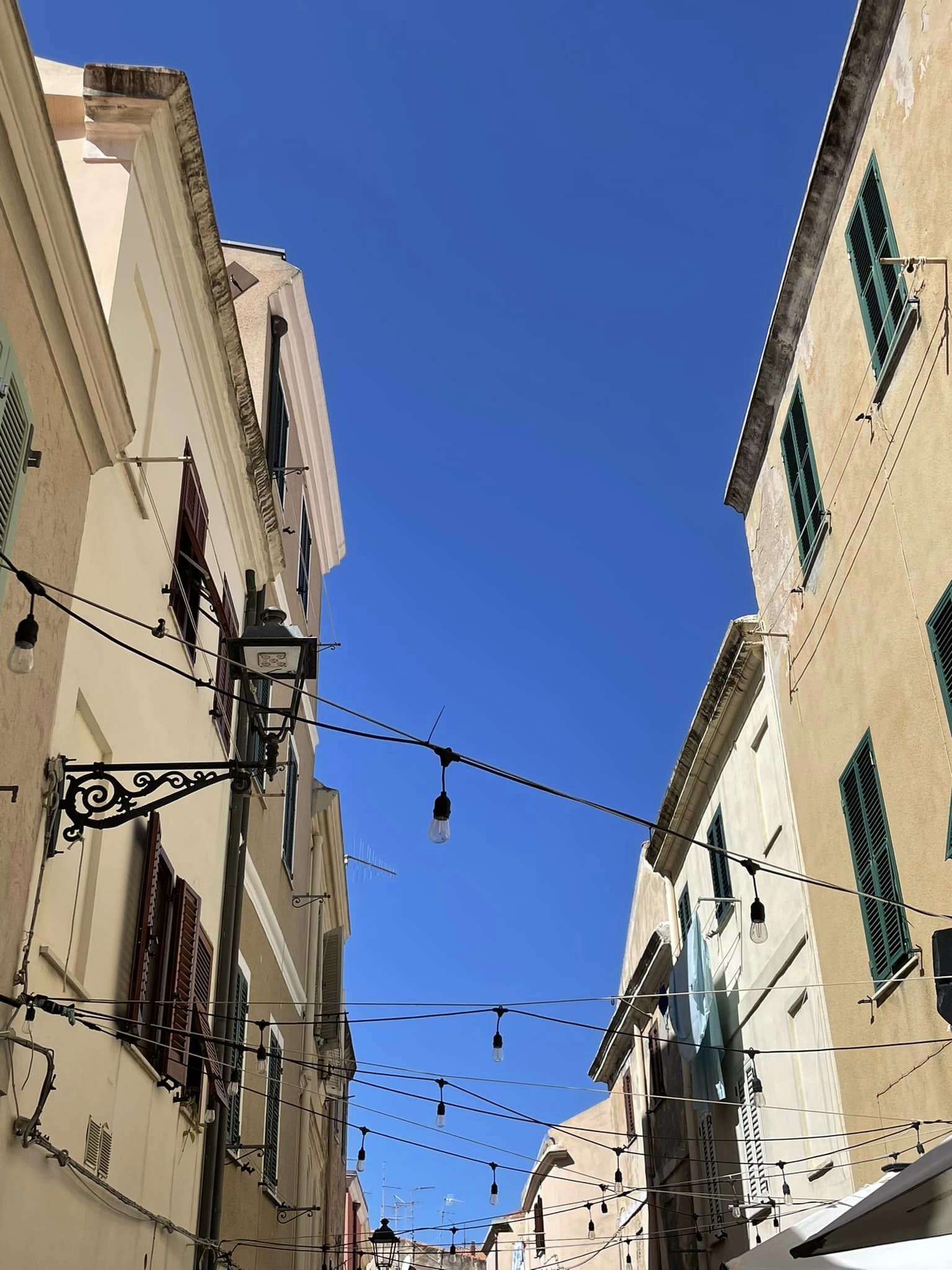
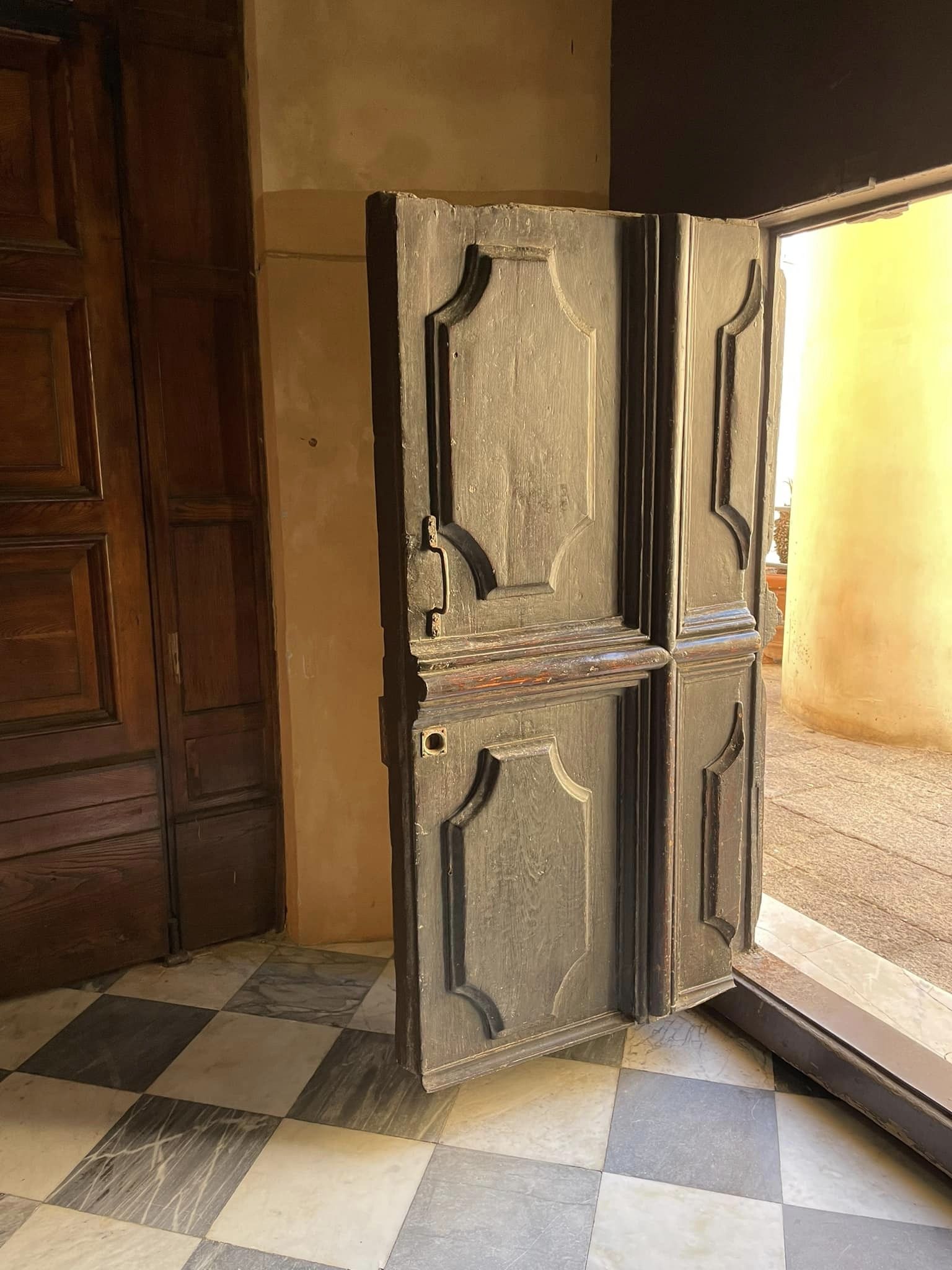
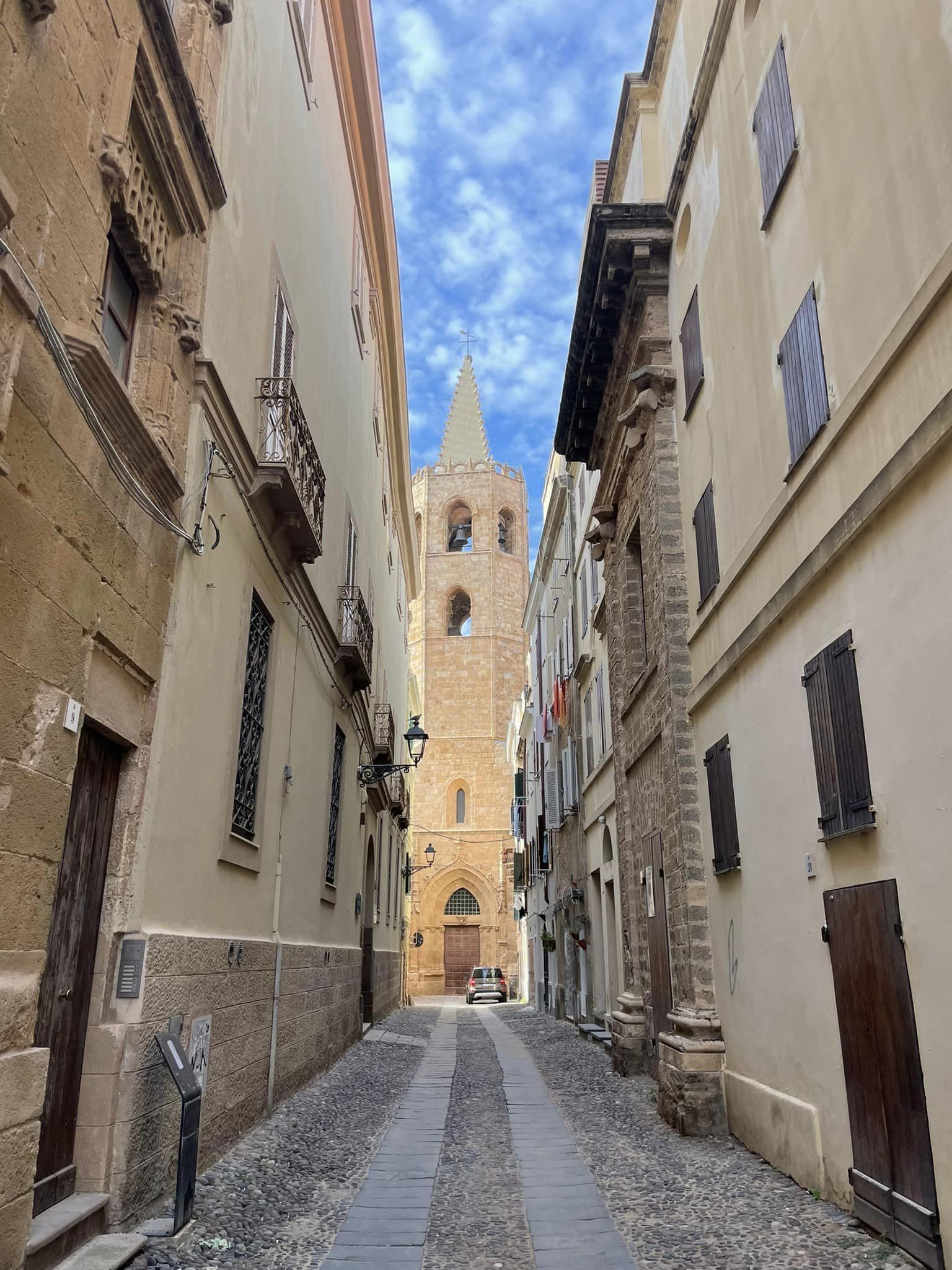
A thunderstorm sings tenor in the opera of the night, almost castigating the island for its indulgence. In the early morning, I sit in a coffee shop and watch the morning happening. The church goers in white netting gowns hurrying in the heat, the cleaners tidying up around empty granite squares, the elderly sipping on espressos and reading their newspapers.
I spend the day in an almost anaesthetised sequence. Gelato for the hot moments and coffee for the exhausted ones. At the airport, when I am about to board my flight to Dublin, it hits me: Sardinia is not for the rushed and perhaps not even for the museums-buffs. Sardinia is a place to slow down and let go, and a place to, why not, relish in the solitude of a three-hour dinner.
With only a few days in between, my early morning commuter lands in the airfield crowning the foggy hills between Bradford and Leeds. The monarch has just died and the early Saturday remains bleak across the modernity of the new city centre in the largest city in Yorkshire. I rush to the train station and climb onto rolling hills of pastures and wheat fields to the old city of York.
A crowd rushes up a steel staircase and the station opens up to streets lined with oak and chestnut trees. A light breeze blows over the River Ouse and sends the aroma of toasted cacao across the fields to Hull.
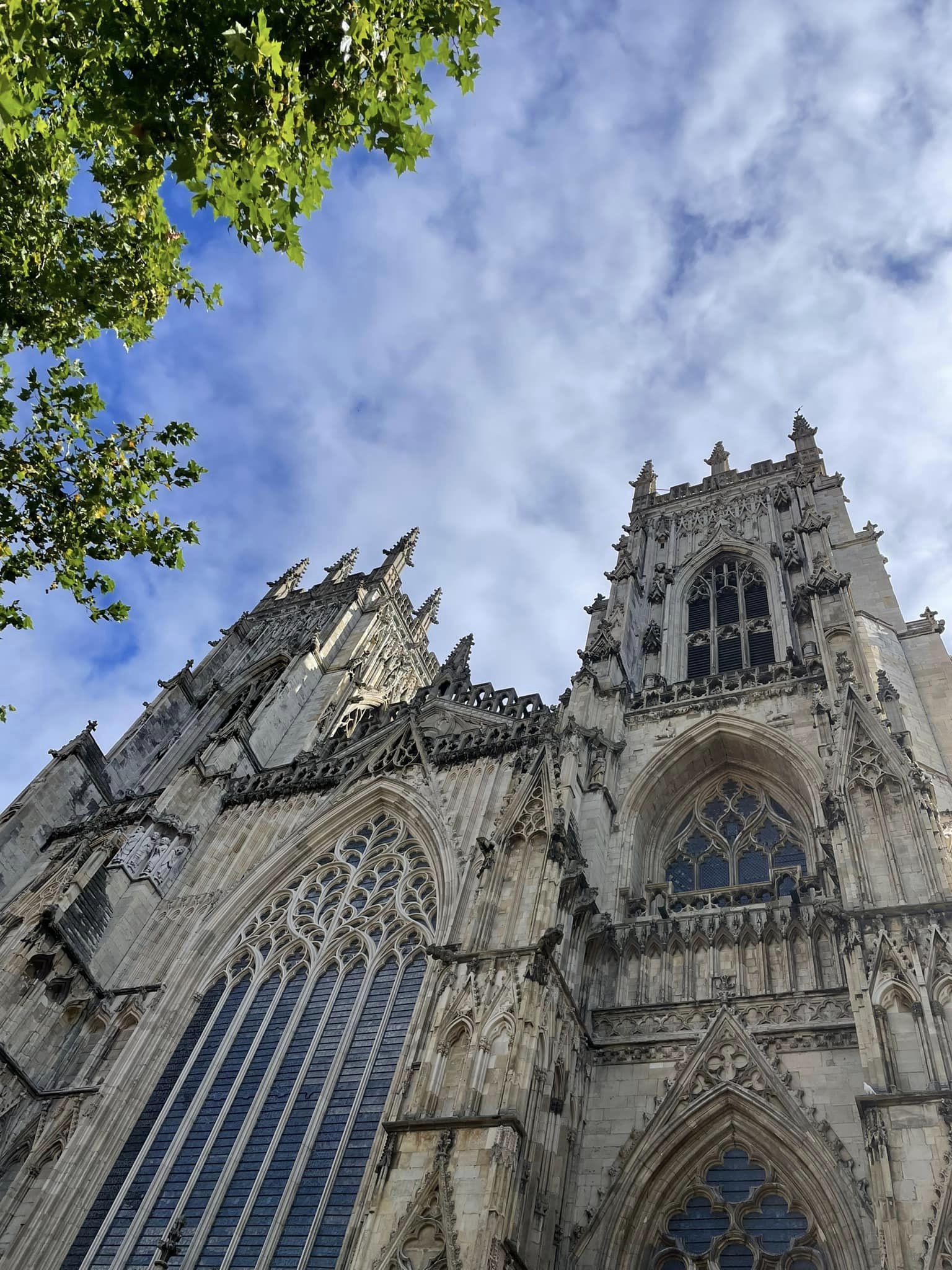
I sip on a coffee by the Minster and find amusement in the poses struck by fellow tourists to fit the impressive cathedral into one frame. I walk down narrow streets of old and new pubs and in the Shambles, the general fascination of a Harry Potter crowd fills the air. Elegant potions and wands are for sale in unique bundles, and sloppy Yorkshire puddings smothered in gravy are sold by the dozen in paper bags.
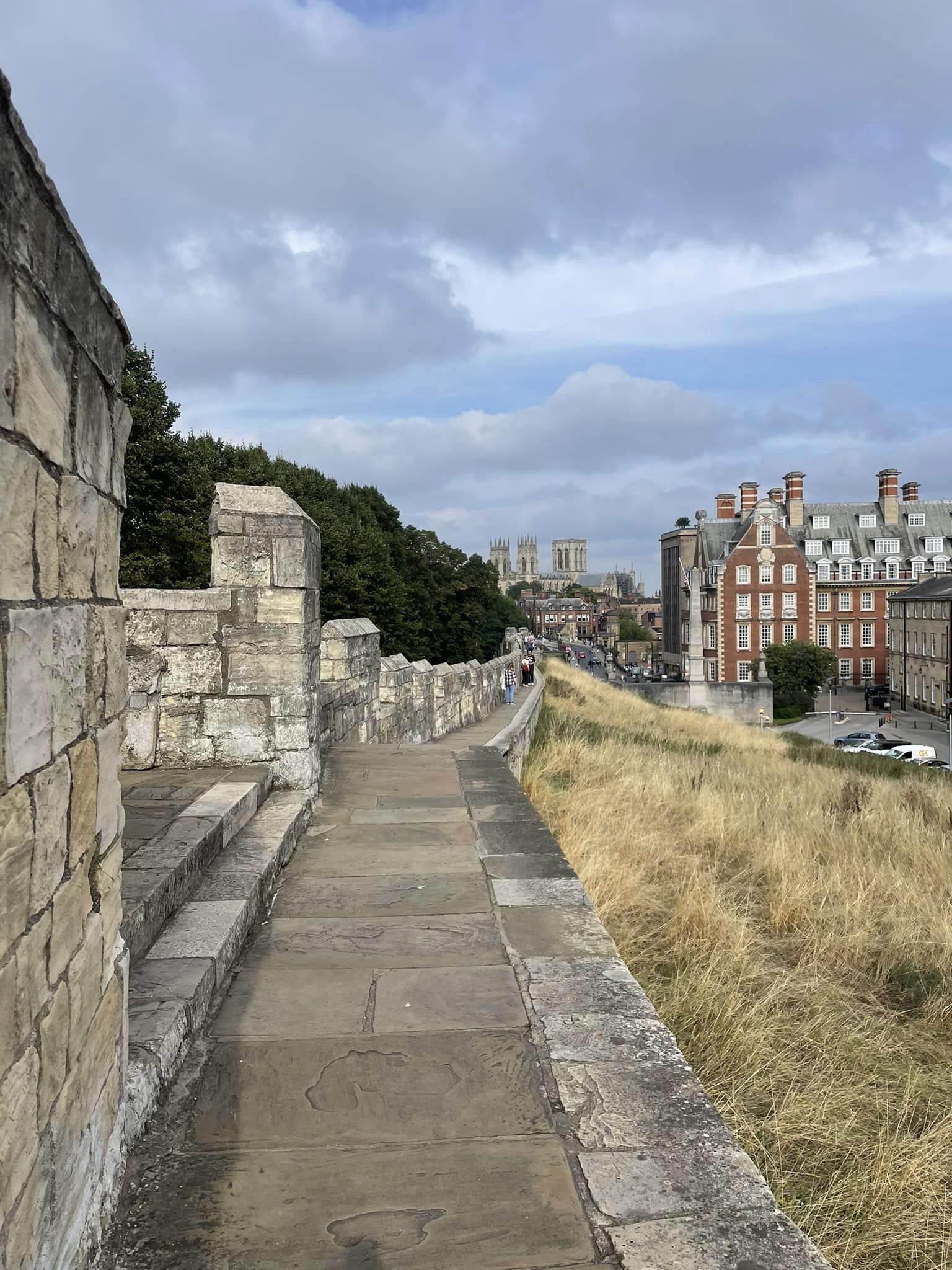
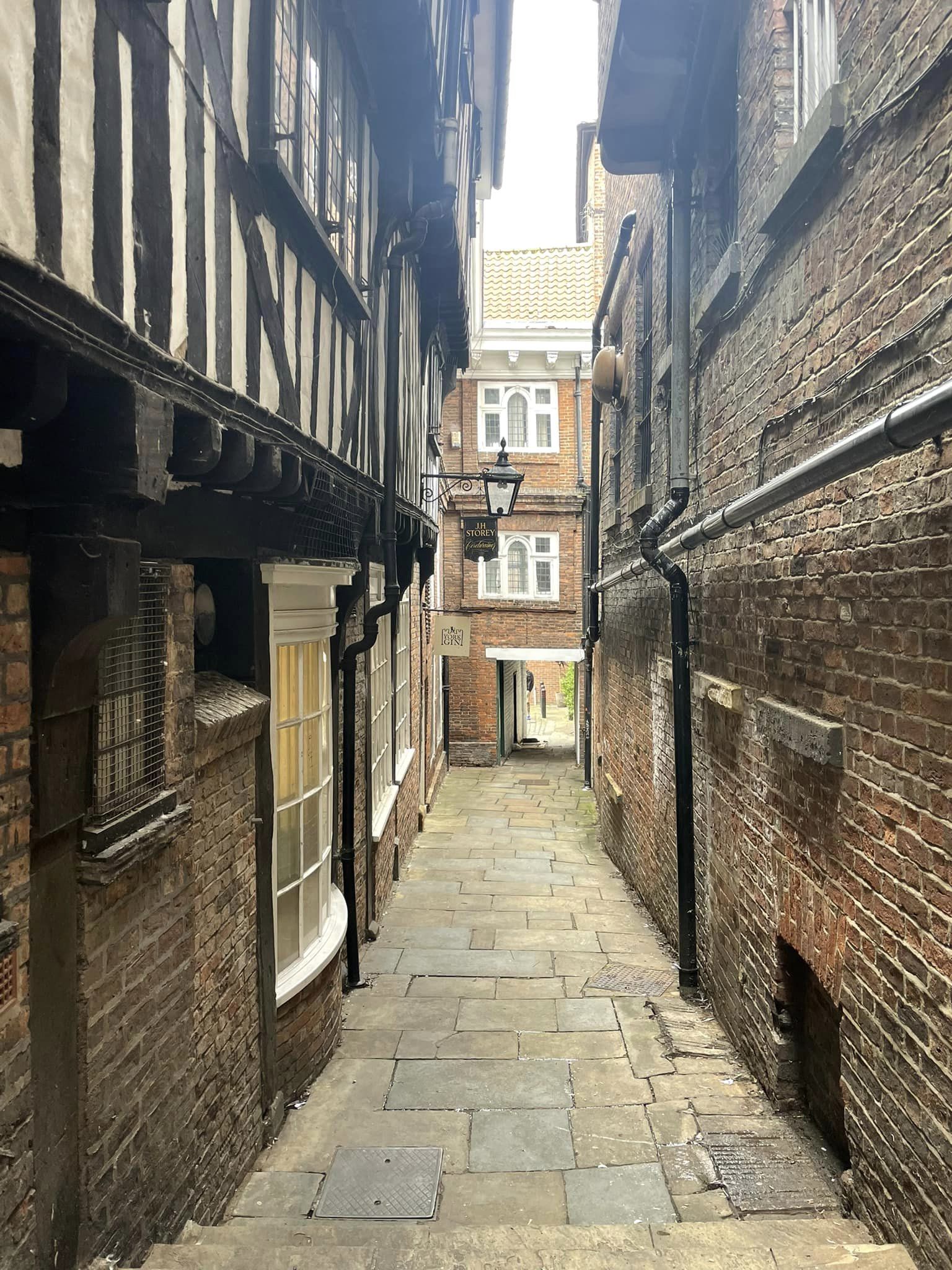
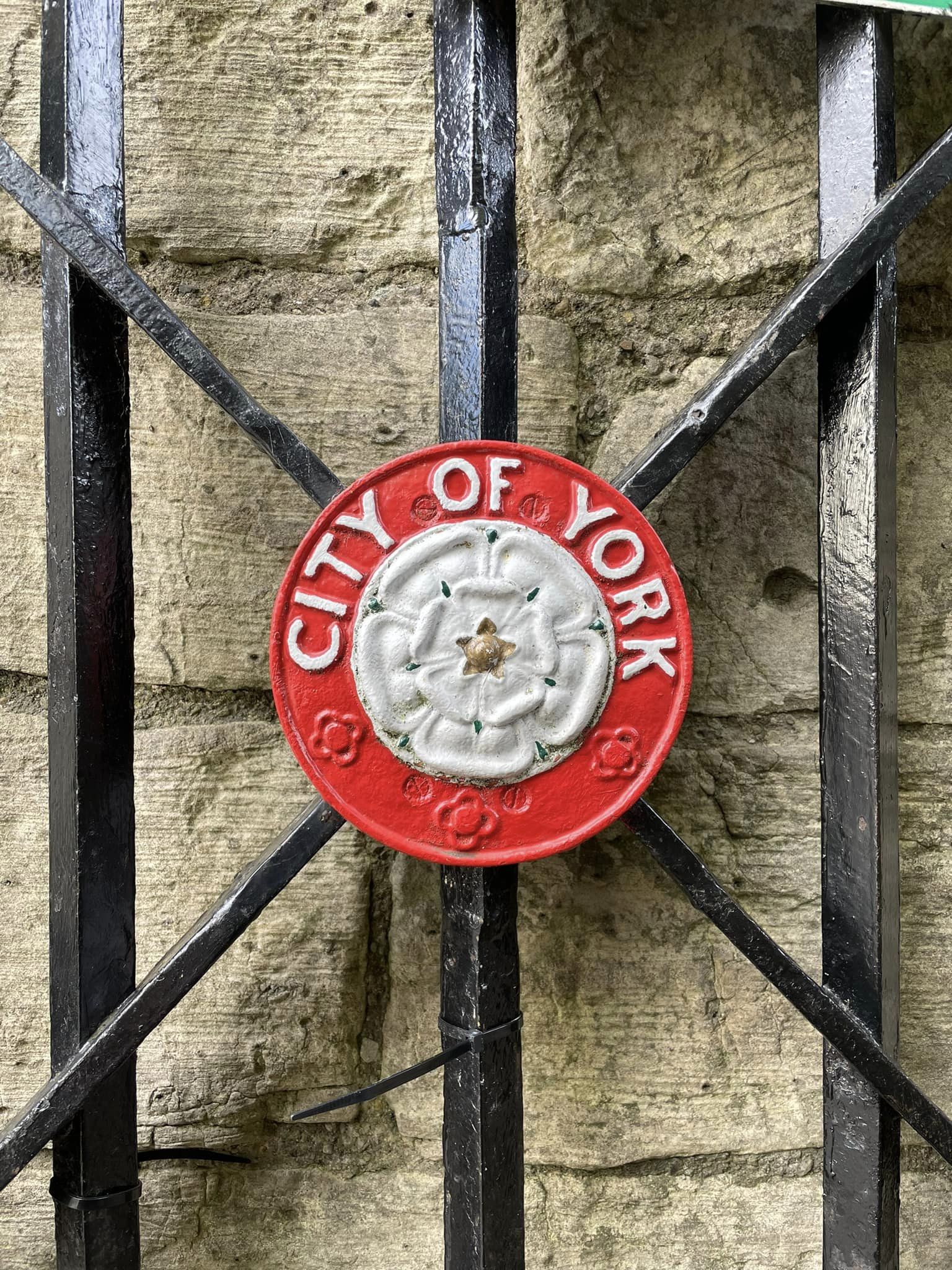
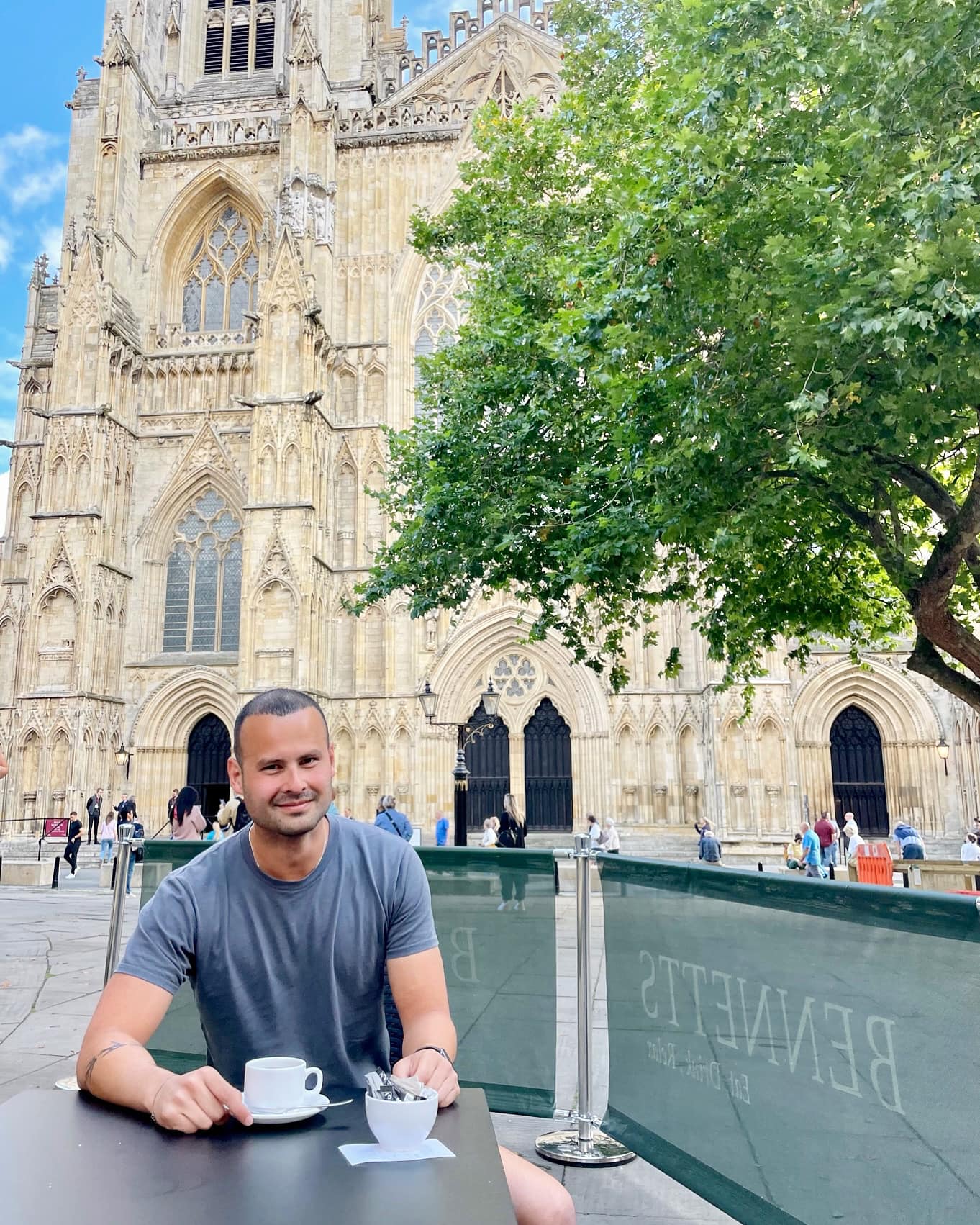
Roman walls encapsulating a story well told. A story of transformation through the wealth of Roman times with a layer of medieval brutality, and a slight touch of Northern England’s troubled economy wafting lightly in the air.
The drunks arrive in the late afternoon and start a marathon of drinking and I meet a friend from bygone adventures in Zanzibar and Nairobi. Through memories spilled over small plates of Thai and later under the fairy lights of a bar by the Skeldergate Bridge, we also catch up on a decade of family, maturity and somehow find fleeting relief.
Two coffees later, I become a child in a candy store at the National Railway Museum. Large sheds of colourful engines that talk about progress and distances, top speeds and luxury. Iron horses on display for free on a fresh Sunday morning in Yorkshire.
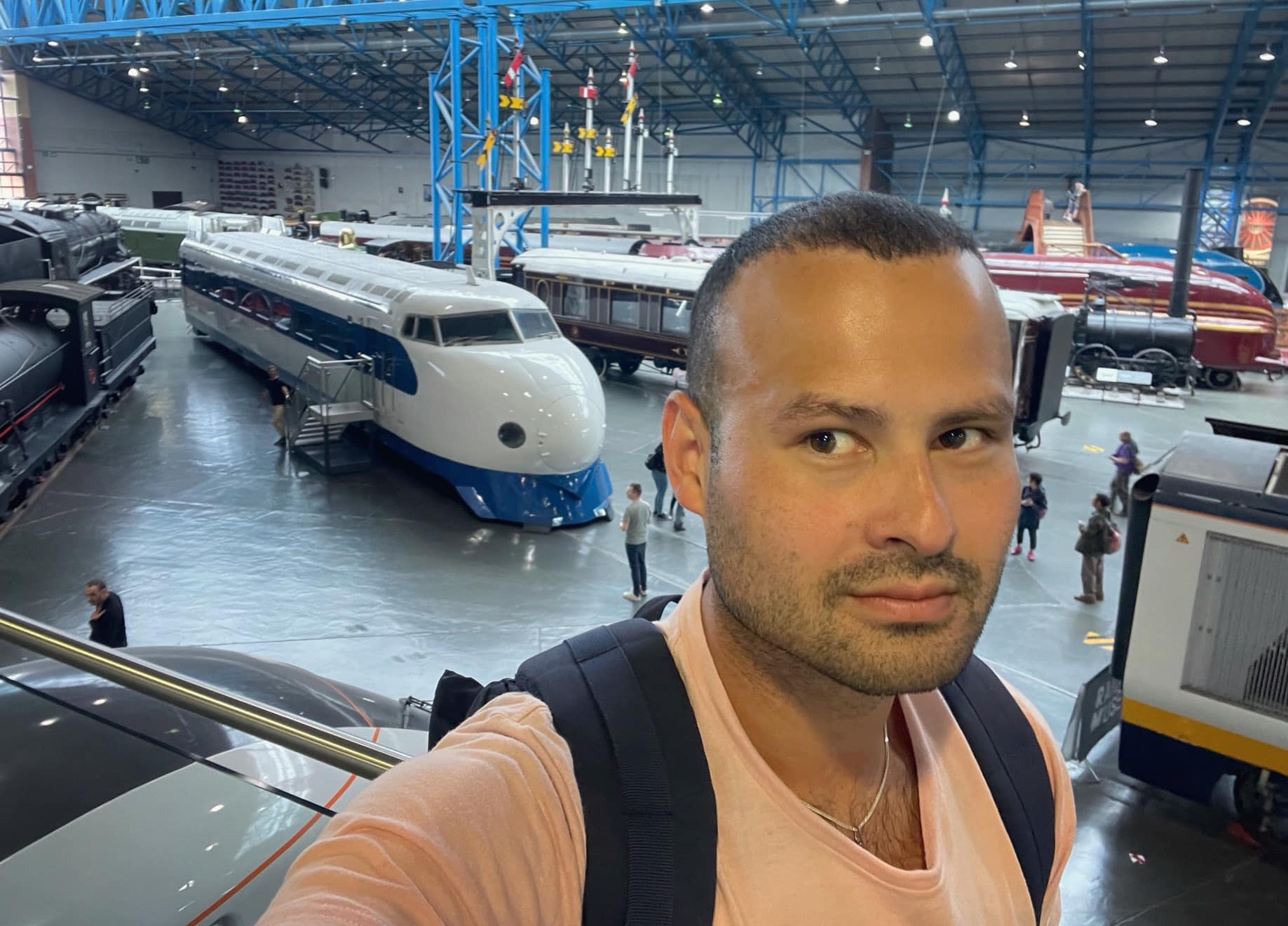
If in Bootham I relish in the regality of its architecture, and in Acomb I feel home in between the bungalows, it is in Leeds that my trip dies. The rain catches up with Britain and the streets around the Trinity grow mournful in the Sunday evening of Northern England.
I rush into one of the few cafes opened and my mood grows depressed. This travel thing. This bloody thing I do. The detachment from the mess I created and the mess I sometimes feel unable to fix. The detachment from the success I have enjoyed and the success I am sometimes unable to believe in.
A cold burger is served at the airport and my flight is delayed for an hour in the now heavy late night. It rains upon departure in Leeds, and it is clear upon arrival in Dublin. I fetch the car and drive home to the countryside. I am exhausted, I am melancholic, but most importantly, I am glad to be home.
‘I will see you again soon’. I whisper to myself before collapsing in bed.
And when in doubt, travel.
 THE FLYING CAMBA