
Only at the tail end of turbulence I am able to see some clear sky. Like the storm that hit home in the morning, I sit with a glass of wine to remember, to look through notes and pictures, invoking old spirits and evoking old memories. Reminiscing on two years is challenging. It is an exercise that digs both into events clinically written in slim passport-sized Moleskines, and into their own emotional baggage. Memories that carry pain, learnings and nostalgia.
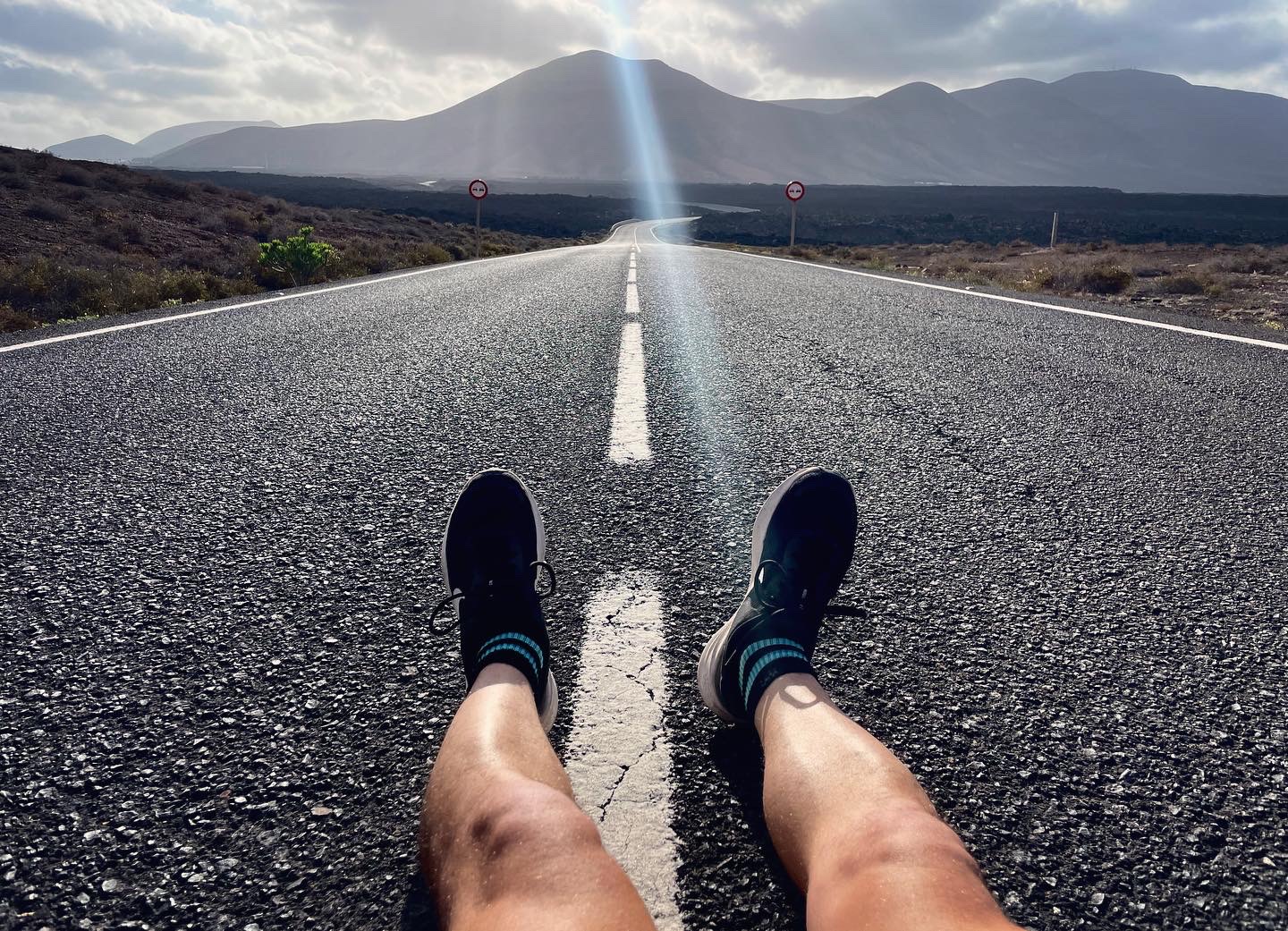
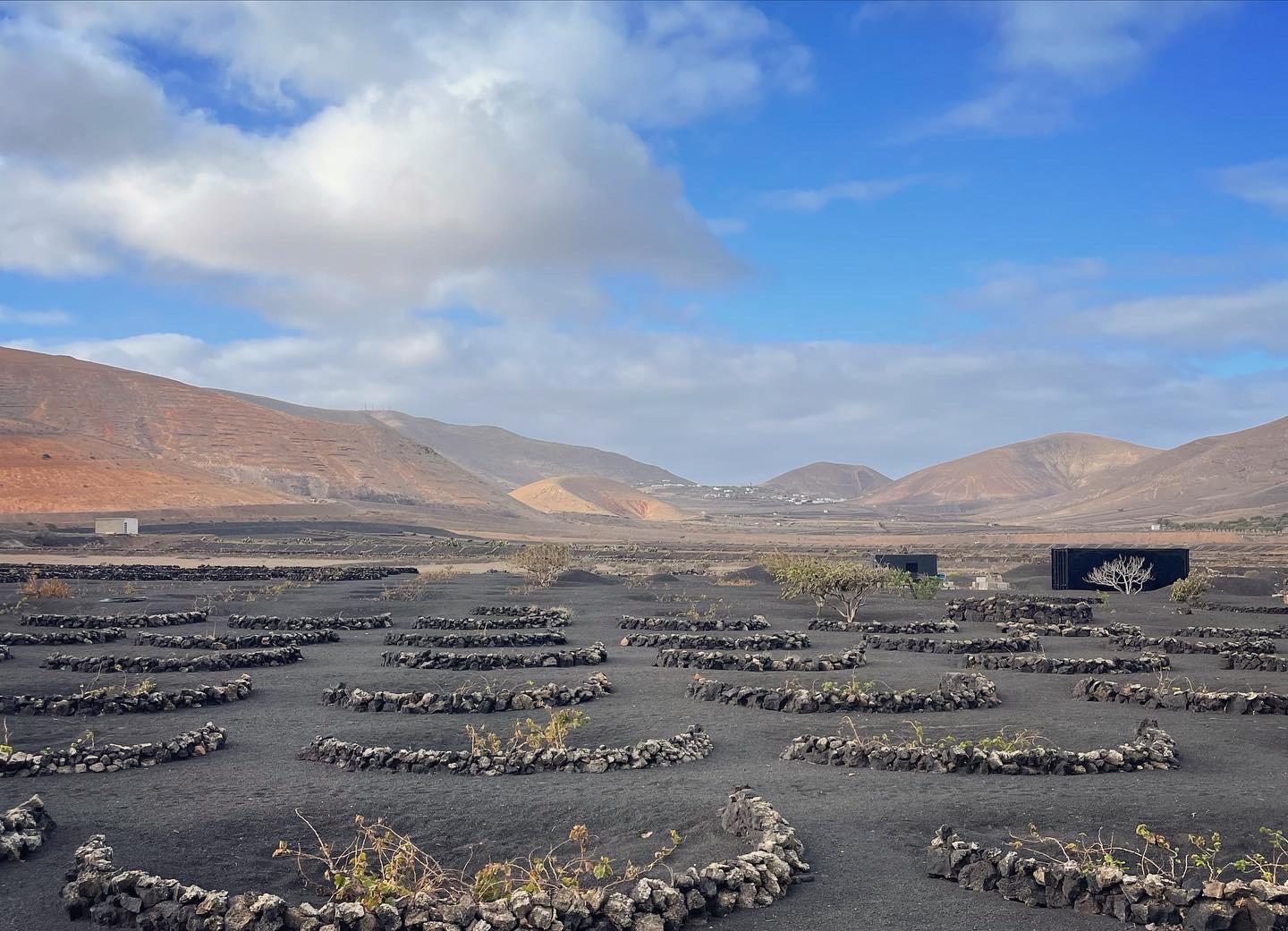
When I remember back to front, I cannot help but think about small getaways tucked in between big trips. Evenings in Milan in a comforting cliche of Aperols in piazzas, espressos sipped under the sunny days in Como watching tourists walk in selfie stick-frenzies, or just relishing in the peaceful symphony of wind and sea in the barren landscape of Lanzarote.
But when I land in the hot plains of Viru Viru in the wake of the European winter, that is when my heart skips. When, after no matter how many hours I spend breathing recycled air over vast masses of ocean, I feel complete. A time when my heart knows that for a limited period of time, I can feel complete.
I have written about the visits to the family often. The constant circle of emotional repression in Louth, and an emotional reset at home. Heart and flesh divided across seas.
Upon arrival, the stiff brave face falls, the wrinkles appear, and the breath shortens. I hug, I kiss, I smile, and I know that for three weeks, I will not for one second feel isolated.
It takes seventy two hours for me to get food poisoned. I hug the toilet praying for it to be over while the air conditioning blows strong in the late night. I am aware that next door is my mother, and I am aware that things will be fine.
Time with the family both always seems short, and never seems enough.
A compelling parade of boutique Bolivian coffee beans that when toasted impregnate caramel scents in shady courtyards, the Andean-infused rich spice of homemade meals served at midday on the dot, the intoxicating aroma of ripe pineapple sweetening the evenings, and the smiles brought by old chats.
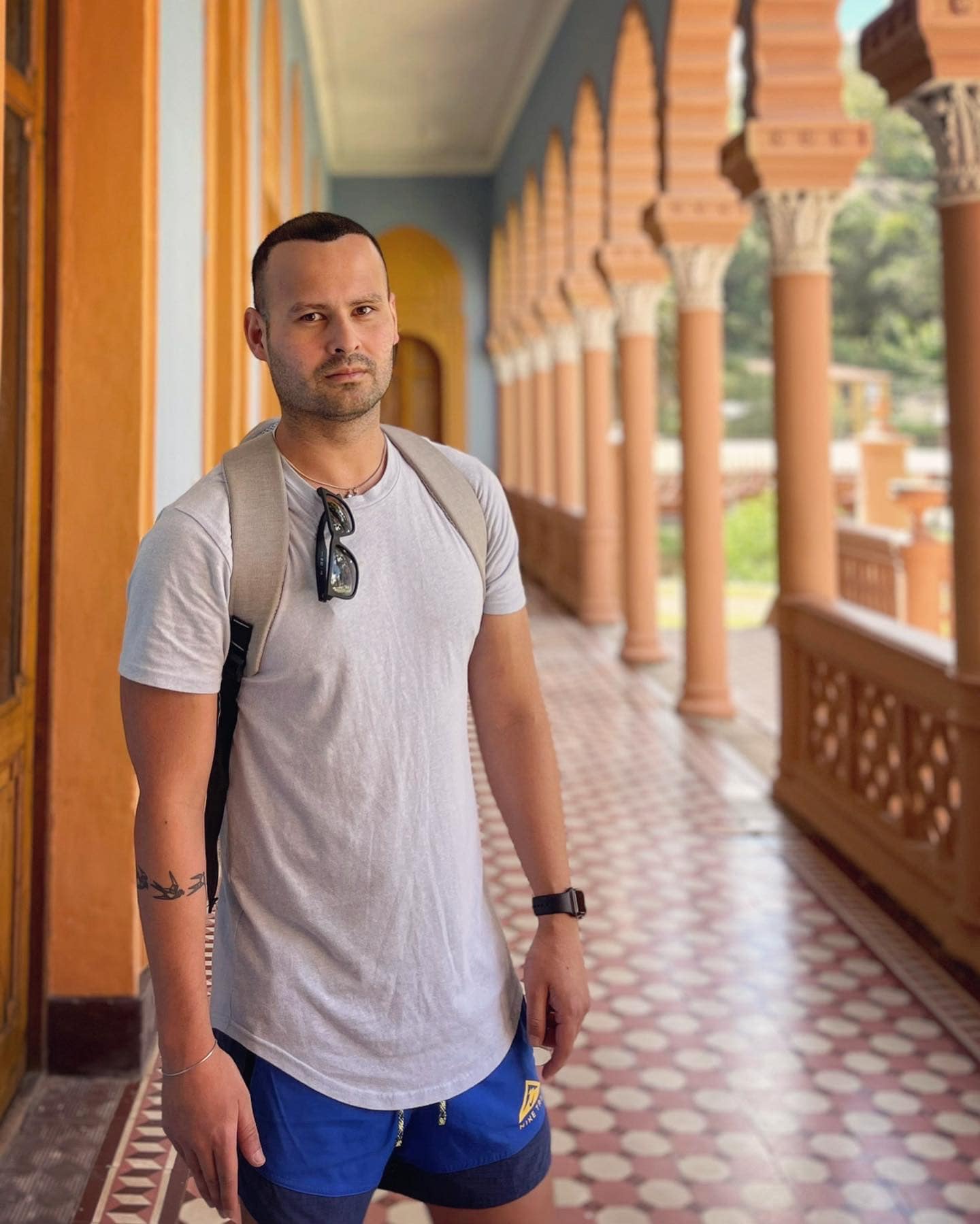
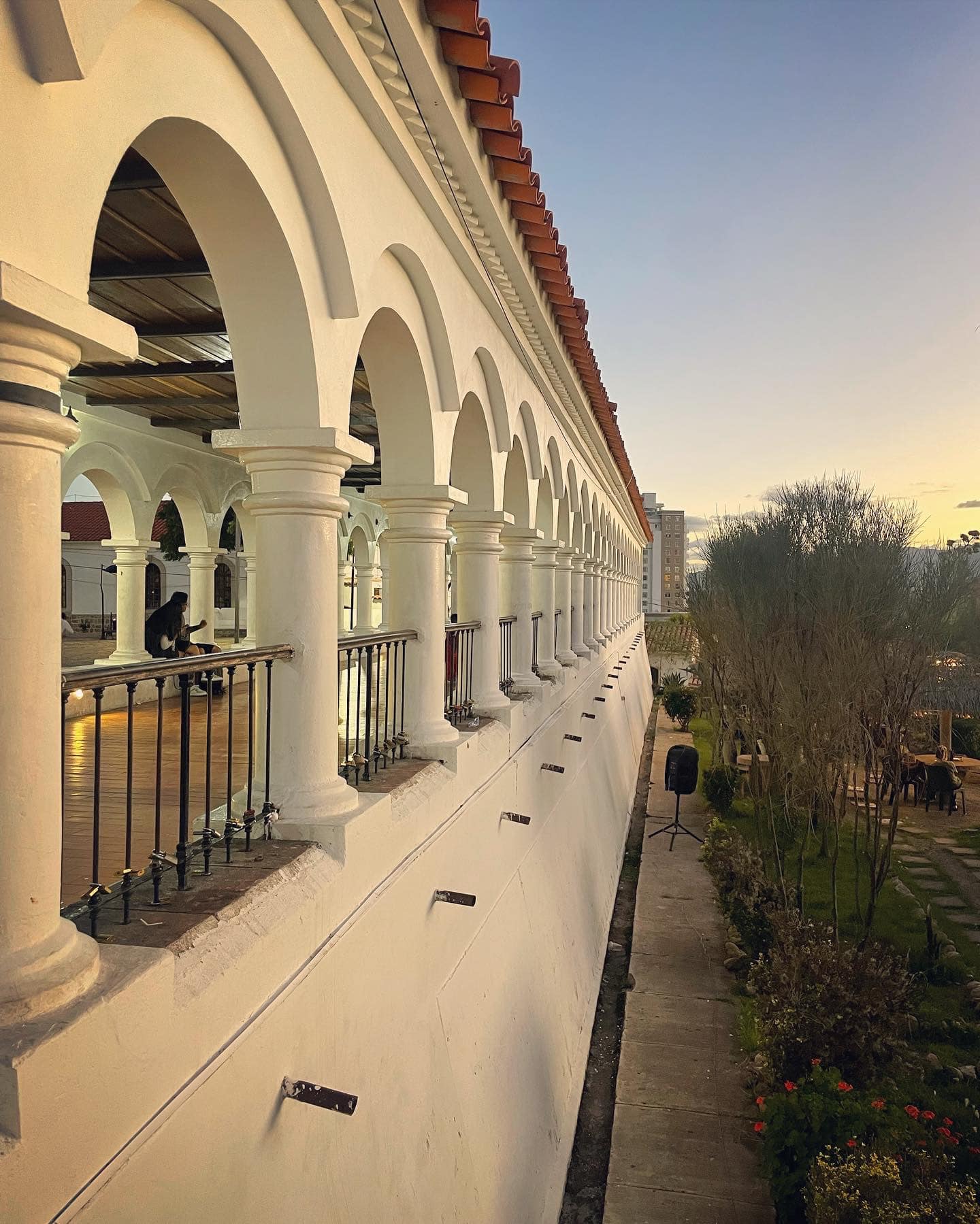
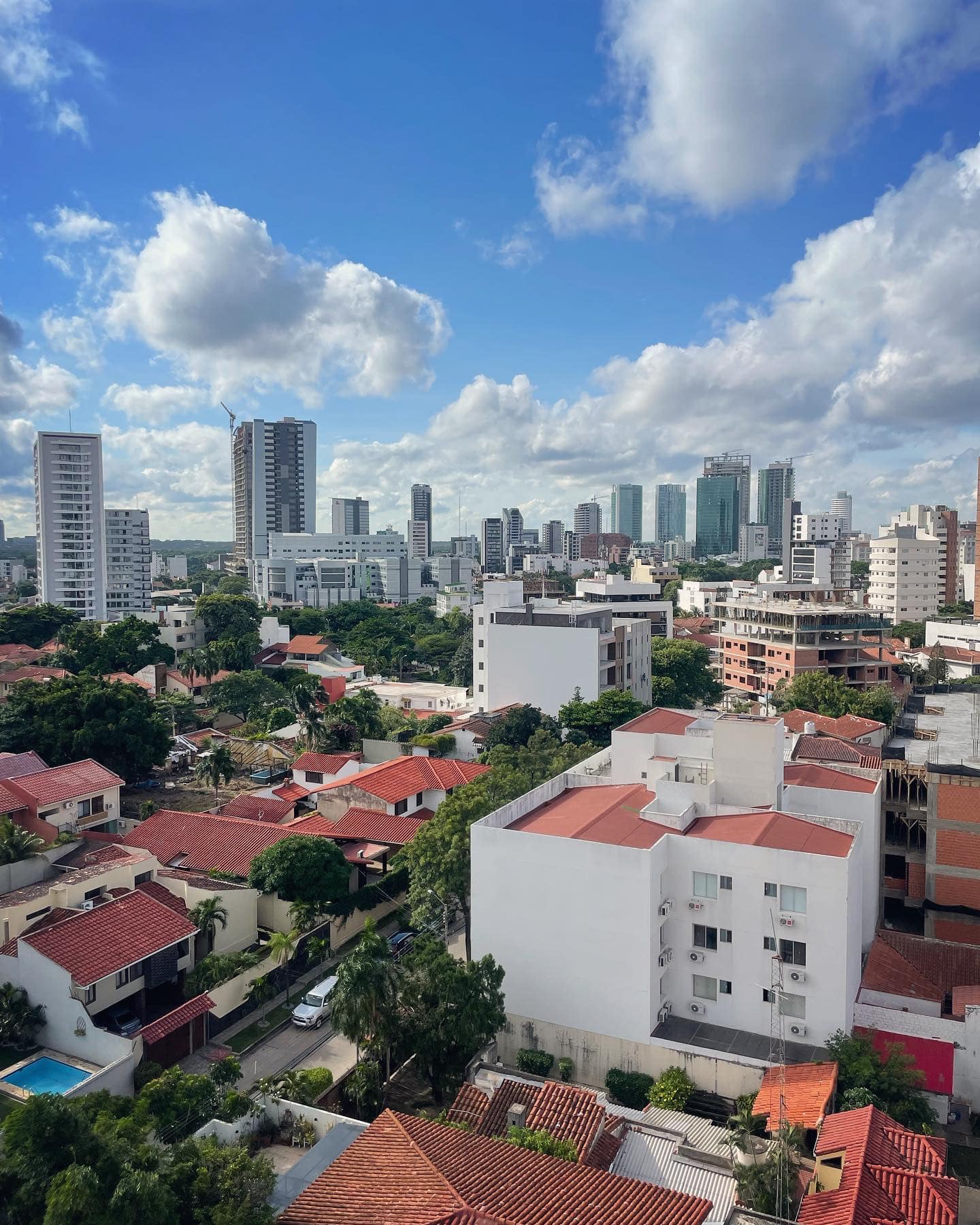
In Samaipata I again indulge in the fresh mountain air that is sharply cut by the noise of the caffetiere blowing steam, and in the mornings, where the sky is dressed in shades of faint orange, I walk over roads of solid clay that connect ceramic-tiled roofs with eucalyptus forest that seem to sing at the early breeze.
In Sucre, where the airplane seems to land atop the roof of the world, I immerse myself in a Colonial fantasy of whitewashed walls and hot soups, taking one step at a time under the thin aired sunshine.
Family time is to share traits of past, in preparation for a long return flight into the present.
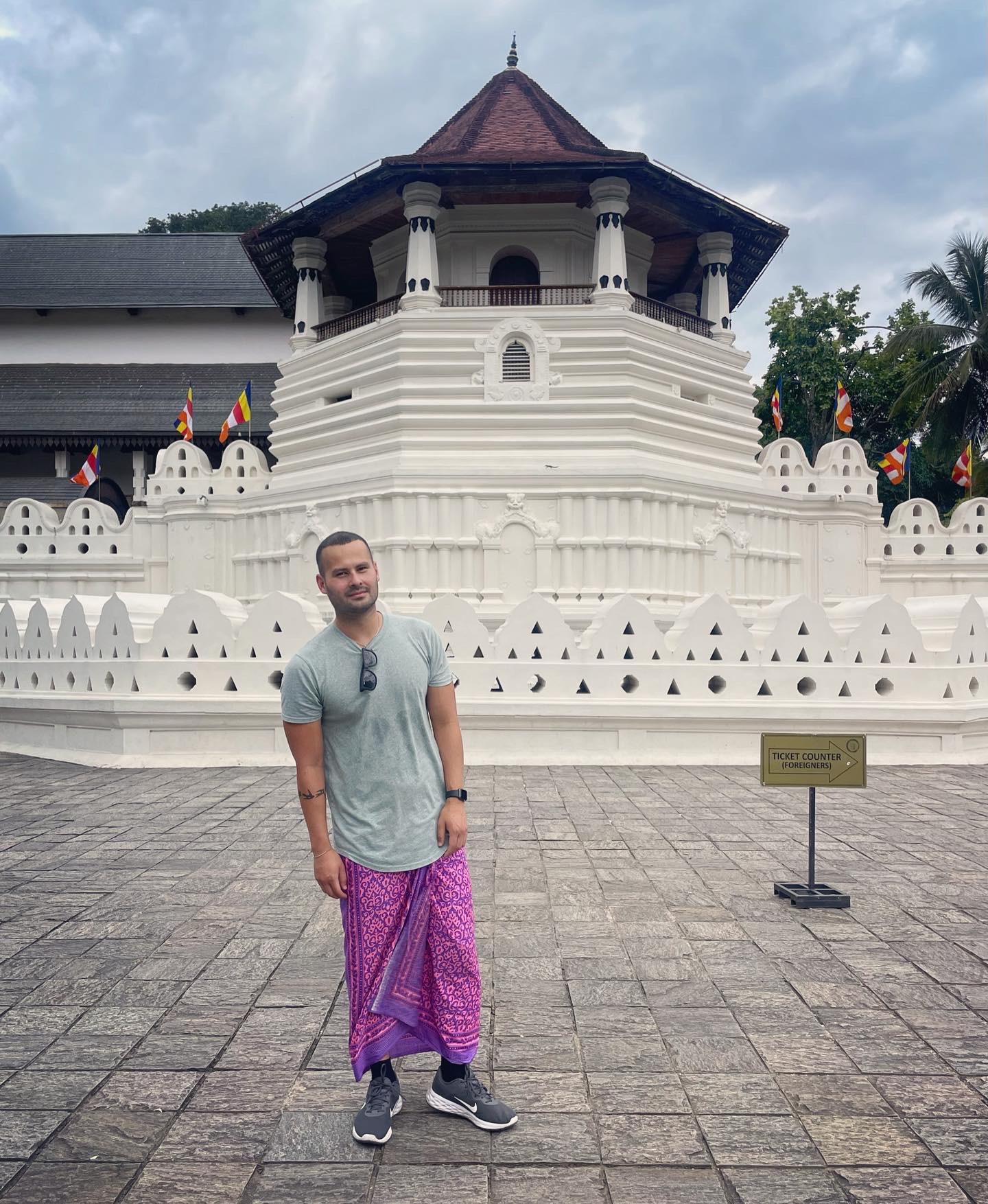
It was two summers ago, and a few months before seeing my family, that I spent a week lost in Sri Lanka just before the winter. In Colombo, upon landing, I remember the hot and humid air mixed with the aroma of sewage and freshly baked chapatti around Bandaranaike Airport, the piles of rubbish around Colombo Fort, and the horror of having brushed my teeth with tap water at the budget hotel.
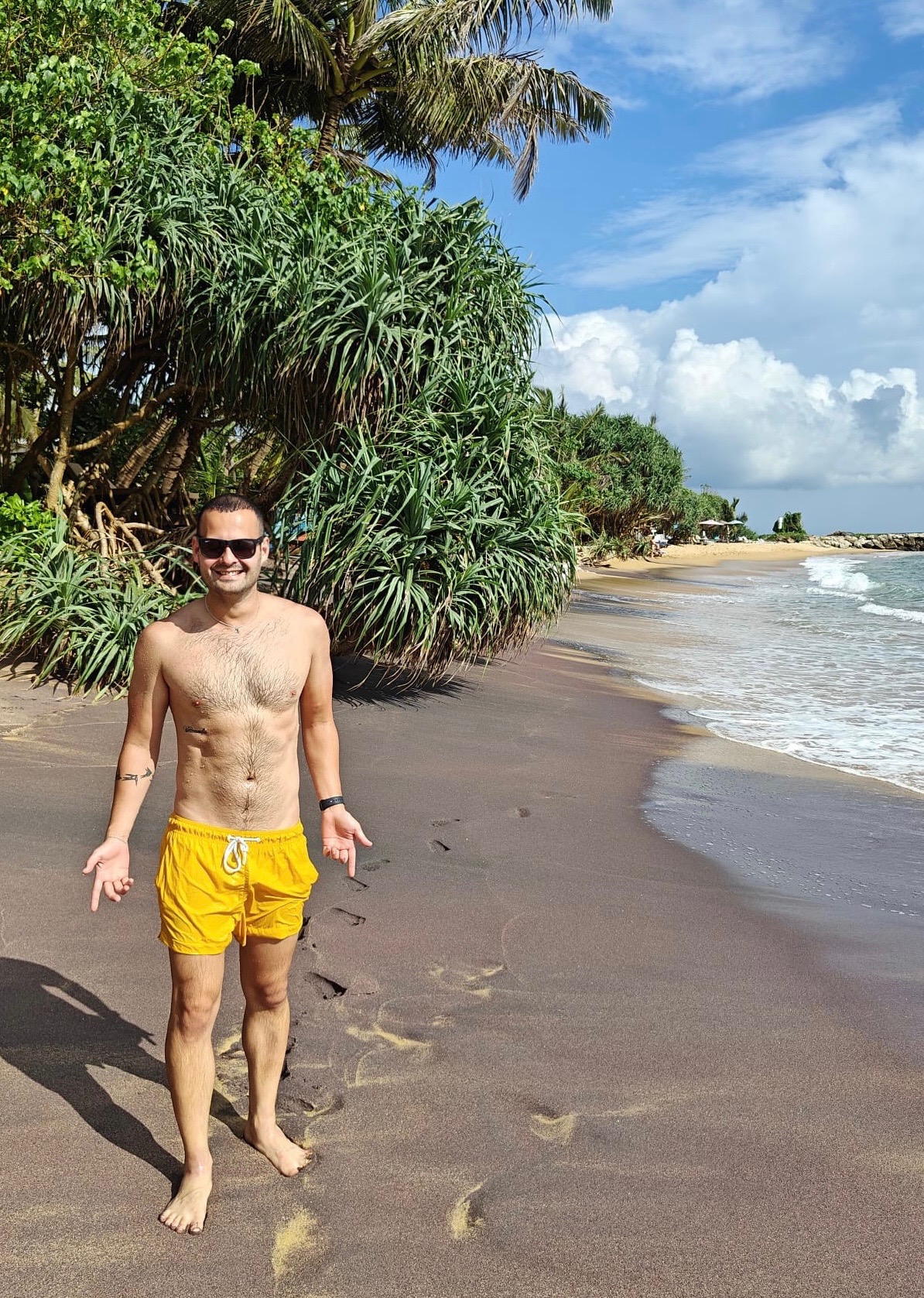
I can still savour the tea tray at the Dilmah Tea House, and I can still remember my smile as I walked along the Galle Beach, among bubbly families sharing fish skewers, and cotton candy clouds as bright as the ones adorning the sunset.
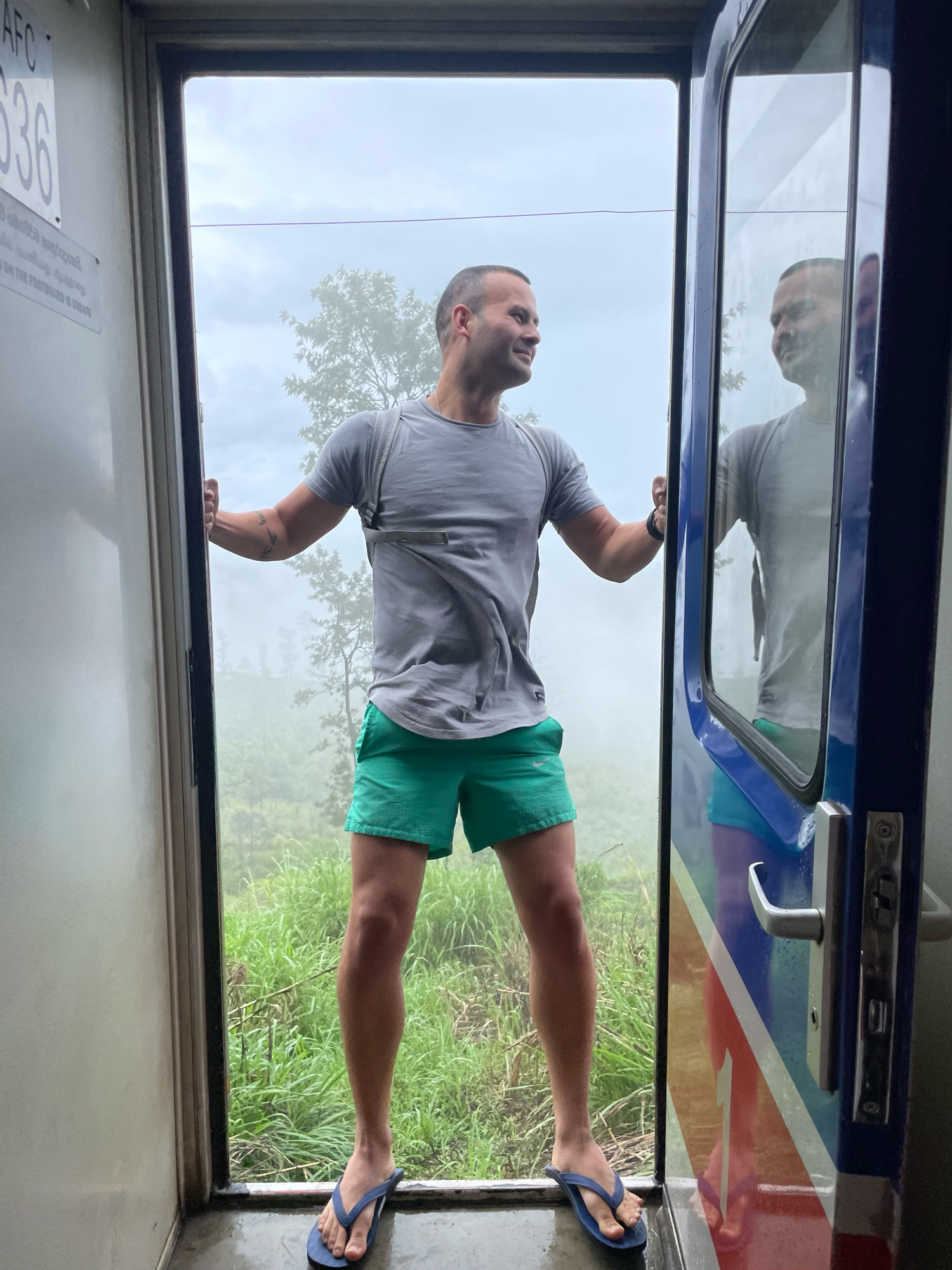
I mentally look at the friend list from the trip, remembering that when climbing the lush green hills, I spent days riding tuktuks and trains in between Kandy and Ella , fighting motion sickness and spicy food while floating over vast tea plantations.
I read my notes:
‘Speeding in a tuk-tuk like some sort of popcorn, I land in Gampola, where the driver parks and tells me he will wait. I climb through a narrow mountain road that, on about ten hairpins, reaches a courtyard with a big tower that seems to have been made with wet beach sand.
The tiles at Ambuluwawa are slippery after the fresh morning rain, and with every step up, I feel my stomach churning. I try not to look down, but the view is just too tempting not to. It is an ironic struggle between sense and beauty.
Overnight in the hills of Sri Lanka, deafening rain bucket downs the corrugated tin roofs, and electricity at times relinquishes. It is a forced silent, in a land intoxicated by the smell of incense and curry.‘
I remember I was not a fan of Kandy, despite the lake views and the mild afternoons of coffee shops in Italian and German. But when the train climbed higher and slower, and when the influencers grew tired of hanging over the train doors to take pictures for their social media platforms, I remember I saw a Sri Lanka of peaceful beauty in a late night arrival in Ella. A mesmerising combination of coconut roti, hikes in the rain, and entire evenings on the balcony just watching the sun die over Ella Rock.
I look at the fridge magnets I bought in Mirissa and I immediately think of of the fish curries by the golden sand, or perhaps the nights when the power was gone, and all one could hear was the distant storms dancing over the Indian Ocean.
The boarding passes show me the stopover in Doha, and the flashbacks of a place so changed, a place in which even my old neighbourhood succumbed to the World Cup fever, where the streets in which I once fed stray cats and bought freshly baked pita bread are long replaced by vacant modern housing. Fourteen years later and Doha still lacks identity. A lady in shining jewellery, playing incognito in the history of the world.
But to think about Sri Lanka, is also to think about a random weekend in Andorra, climbing on a bus and later on foot to the roof of the tiny country at Pic de Coma Pedrosa, to sore legs and inflamed fingers, and to sleepless nights in Toulouse.
However, very few trips in life have the significance of a voyage against oneself. Stealing my best friend’s idea, I booked the cheapest flight combination I could find to Porto and, from the second largest city in Portugal, where the Douro intone a mellow lullaby of sweet Port across its steep banks, I begin my walk North, with the rush of a determined thirty-something year old trying to step out of burnout.
To think my first two days in the Camino happen in an odd blur of melancholy. At my first stop in Povoa do Varzim, I sit by the beach in the late afternoon and resent everyone around me. I remember resenting how happy they looked around dishes of fresh food, how celebratory they looked while I was just nonsensically walking in a foreign country.
Esposende next, and my highlight is a steak dinner. Coffee by the square and off to bed, ready to hit the foggy coastal road turned dusty trail to cross the Lima River via the Eiffel-designed bridge to Viana do Castelo at noon.
First conversation in days. A Catalonian woman that pours her mourn-heavy heart over small glasses of Albariño, a Korean young backpacker that saves my dinner with roasted pork belly, and a sunset over the Atlantic that returns the soul to my tired body.
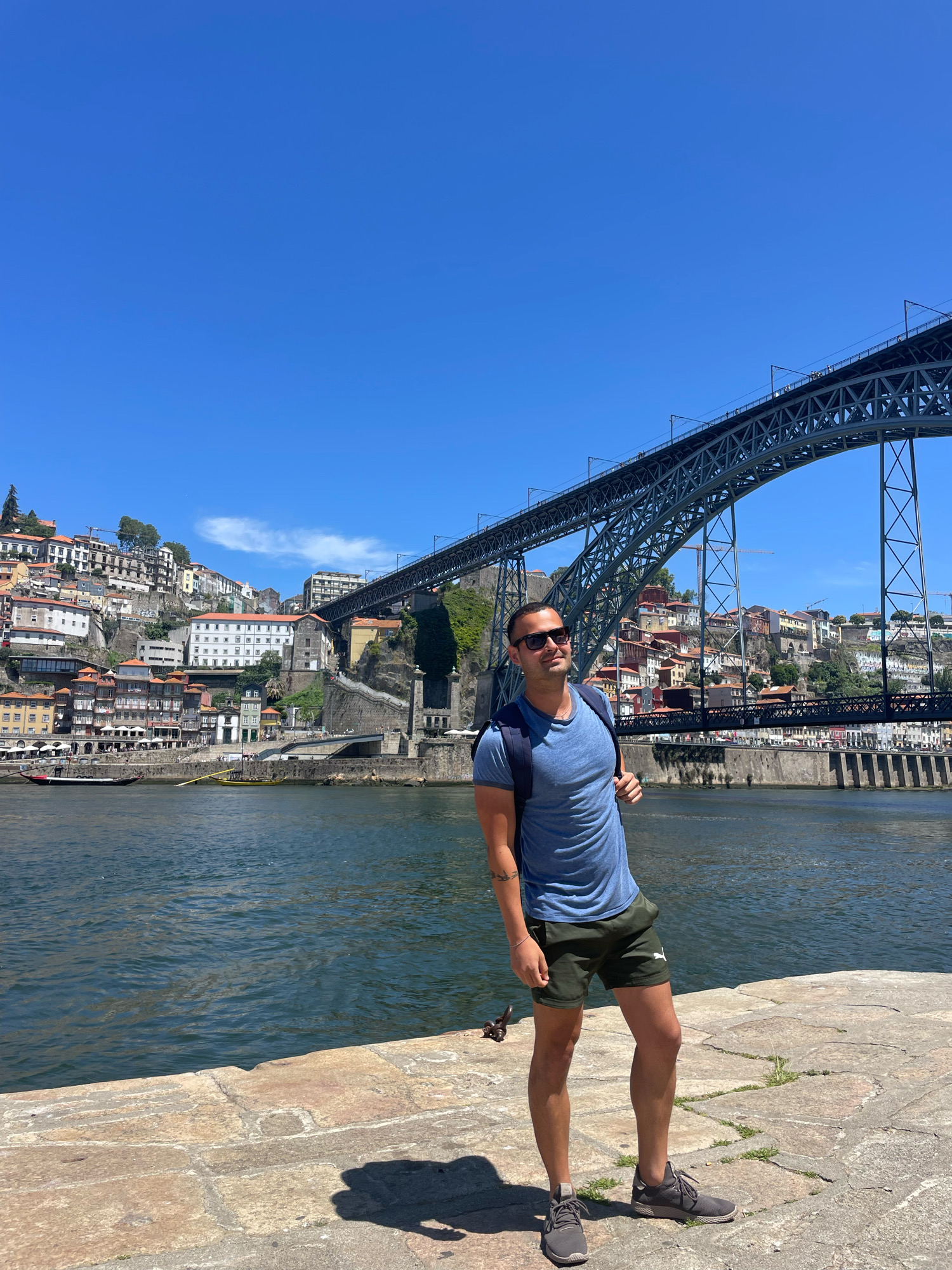
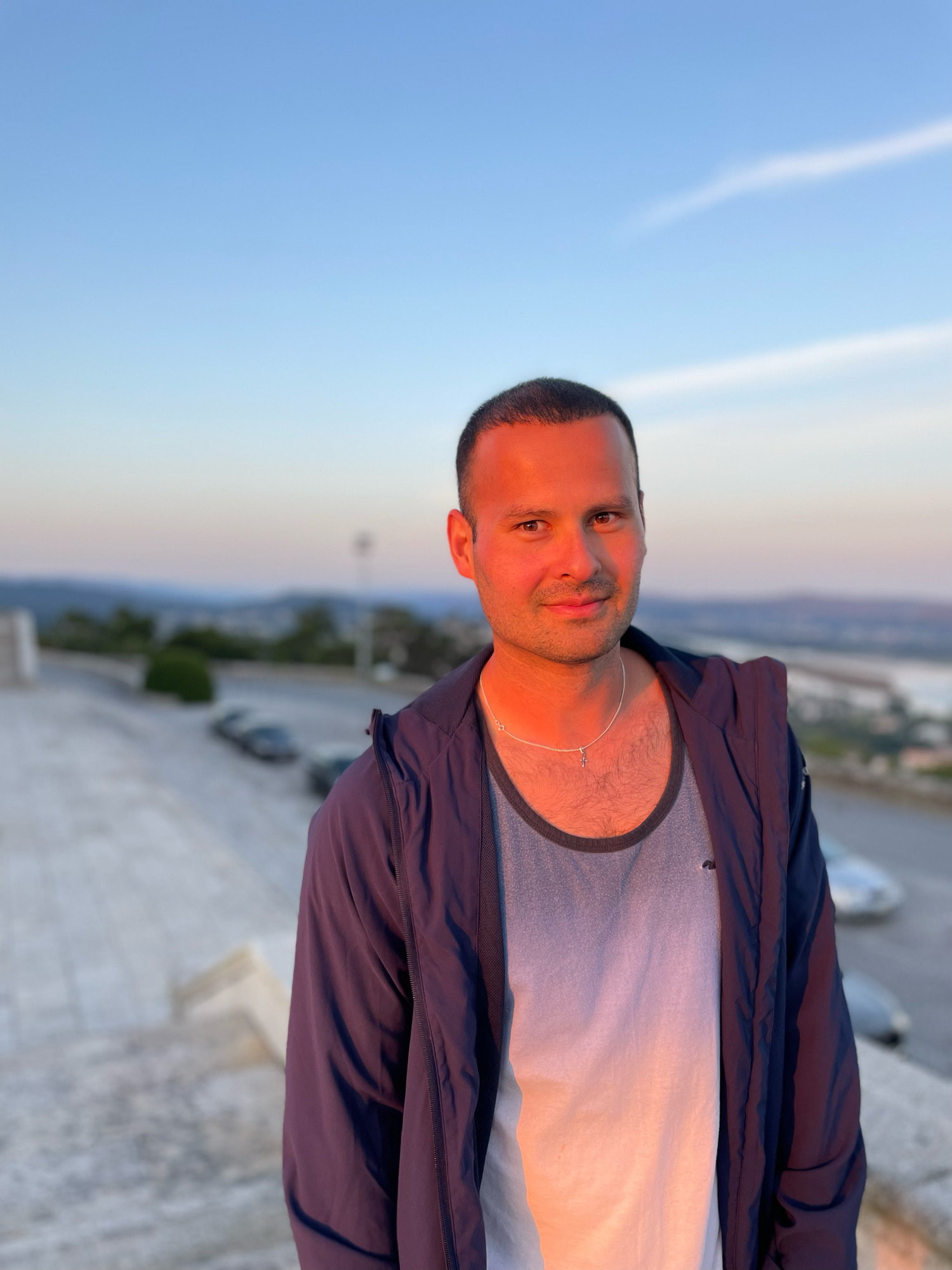
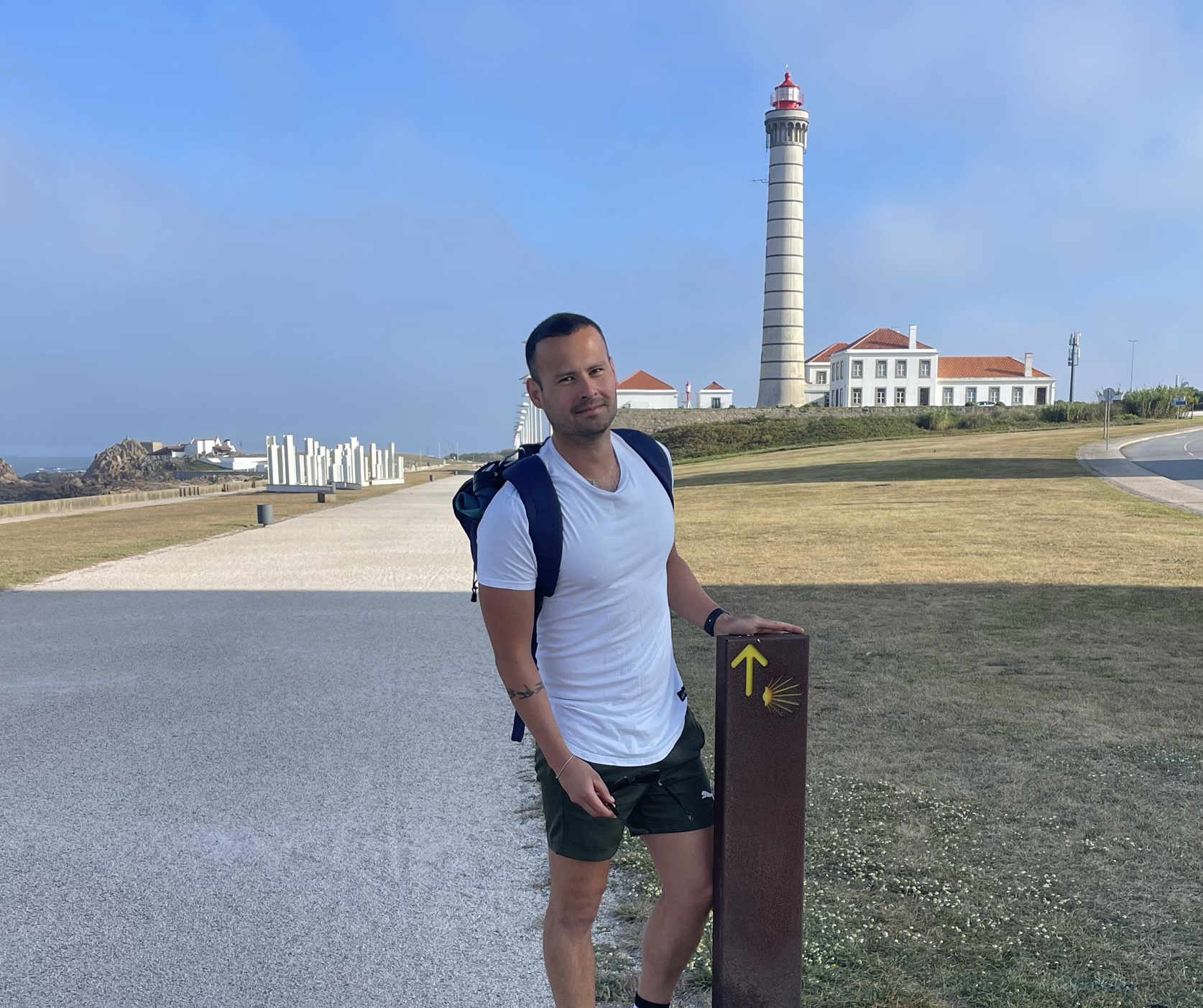
It is only from this point that I remember feeling something. That I remember being awake every day at five on the dot, pack my bag and start walking at dawn. In Caminha I rest my feet over the hot water with salt in the albergue and eat my body weight in ice cream, just in time for an early boat crossing over the Minho and into Galicia.
At one of those sunsets, I meet a girl from Hungary by the beach in Oia. We barely say hi to each other and we keep walking. In Baiona we meet again and we briefly chat. In Vigo I grow sour and tired again, just in time for the longest leg of the walk to Pontevedra, with a brief stop at the family homeland just north of the big city.
‘You’re like a horse, why do you have to walk so fast’ , she says as she packs her bag to head to the coast. I smile and pack mine. I keep heading North to Caldas de Reis where hot baths numb the fatigue, and then on to Padron where, at the eve of the last leg of the Camino, the air grows heavy with reflection, long sighs in French, and garlicky pulpo a feira.
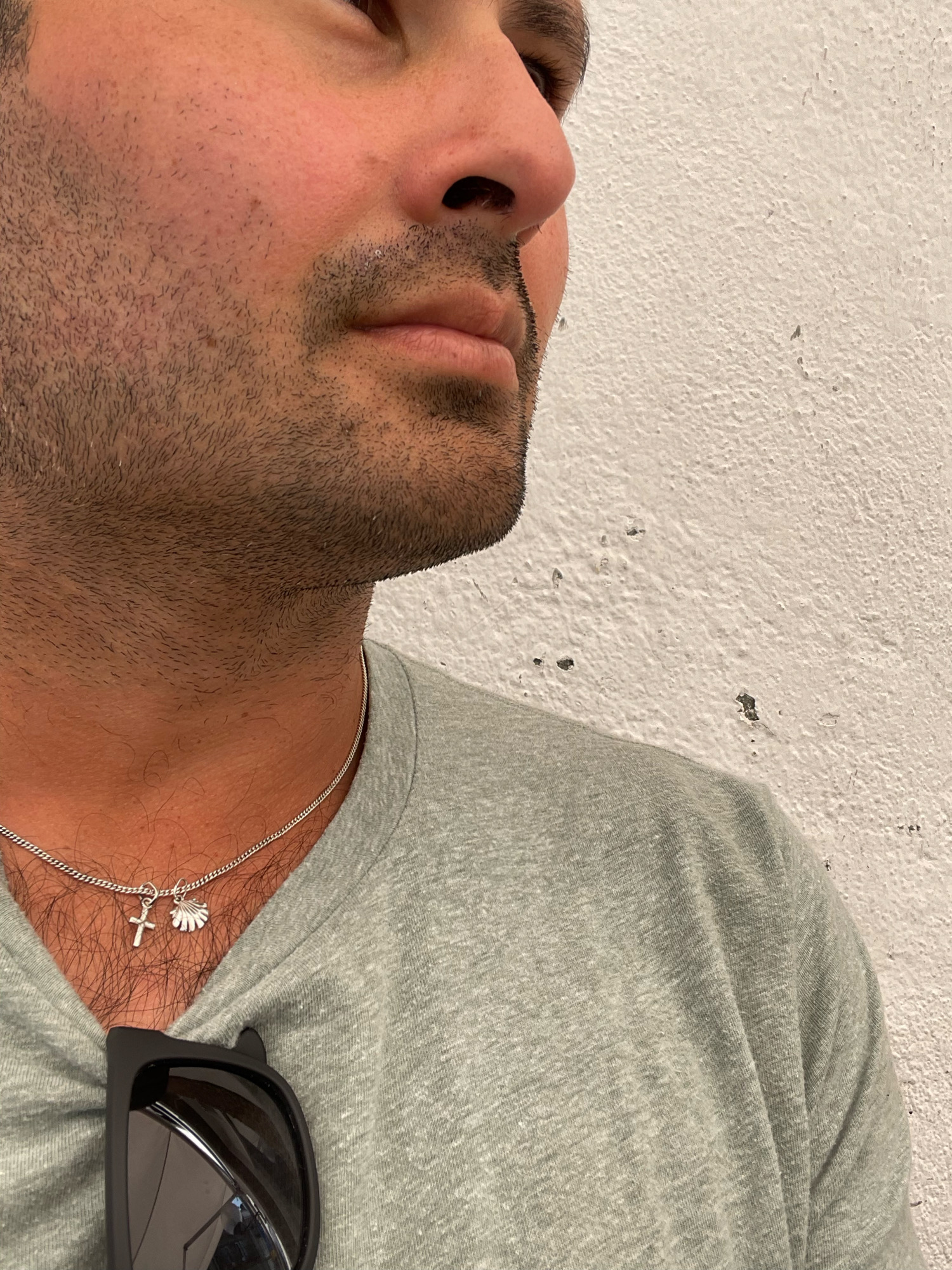
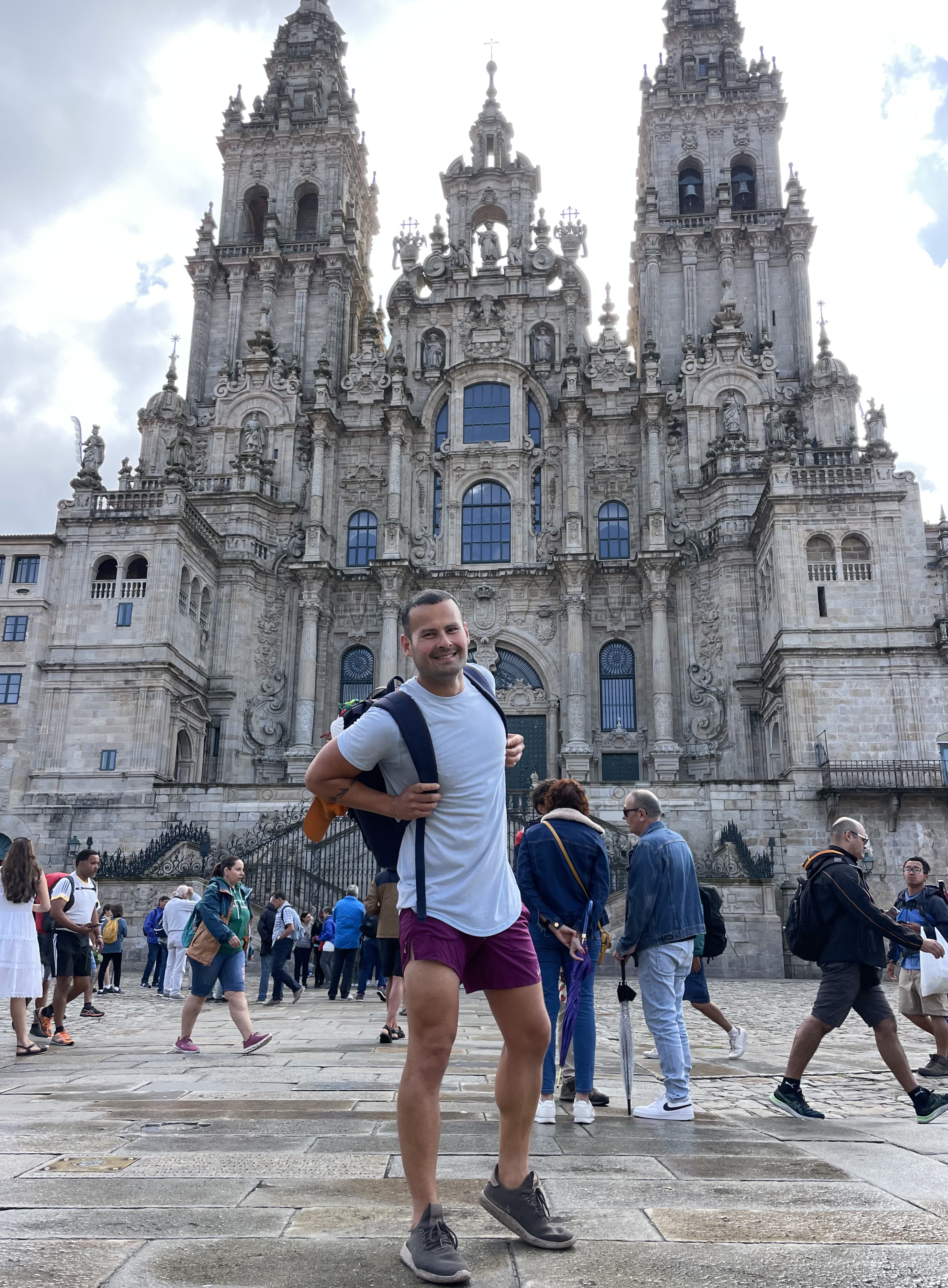

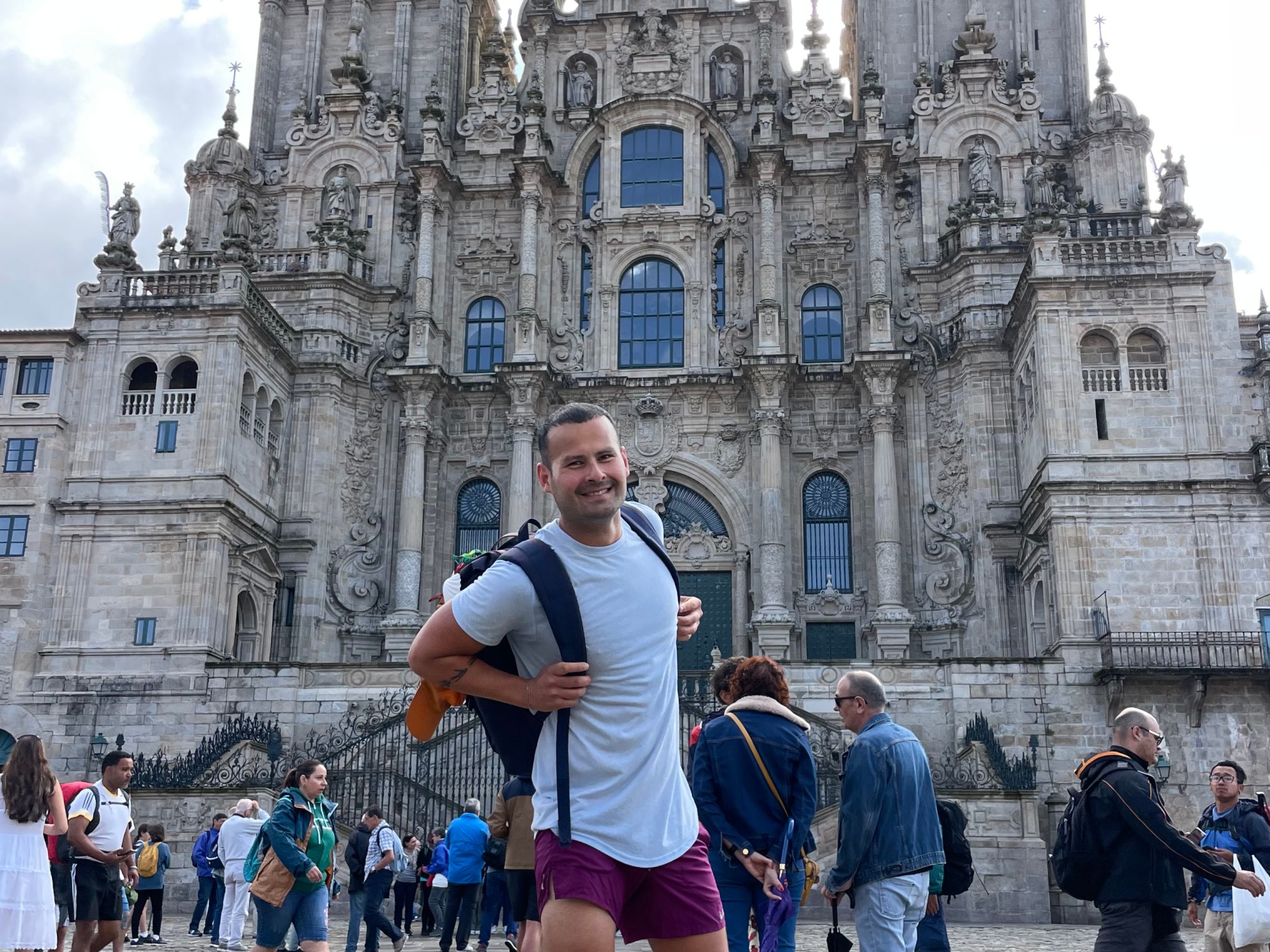
To arrive in Santiago de Compostela is to complete around three hundred kilometres of walk. To see the city emerging from the hills is to feel alive again. To take one first step away from the deep void of burnout, and to cry of happiness for the journey embarked upon and finished.
I retrace the moment I entered the Cathedral of Santiago often. A conflictive mesh of gratitude and hardship. A sunny memory flavoured by crisp Albariño.
Fast forward two years and I have poured a glass of Rias Baixas nectar at the stare of Neko, the tabby cat.
Fast forward two years to look into a balance of small wins and big losses. Of a friendship painfully lost, and of some unexpectedly won.
Fast forward two years to feel rested. To be ready for whatever comes next.
 THE FLYING CAMBA