
We emigrate by leaving our legacy behind, while our upbringing is tested towards our actions in the future. Behind us at that departure hall, not only do we leave shattered hearts and empty stomachs churning in nauseous absence, but we also leave a big part of us.
When building our lives abroad, we seem to work in between two worlds navigating parallel to each other in the sea of time. One world holds millenial paraphernalia, memories of dial-up intense web chats with crushes, and of trips in big delegations across airports that, in canned messages, shouted swimming hopes and dreams in Spanish and English over terminals on both sides of the Andes.
Another world constantly agglutinates millenial anxiety. Bills to be paid, mortgages to be re-negotiated, adventures that when remembered, seem surreal as adulthood took over in a haste.
Such worlds collide when we receive the call. On the other side of the line, family are rushing in hurried, yet efficient updates. A family member has fallen terribly ill, and in a second, one world numbs any action on the other.
Everything happens in a blur. Hours spent looking for a last-minute overseas fare without the need of selling a kidney, provisions and instructions for Neko, and packing.
Unlike other trips, the call seems to block sentiment or enjoyment, and boarding the airplane seems more like the ultimate goal.
It is a sunny morning when I leave Dublin Airport and, in a blink I land in a rainy and windy Schiphol. Over the Atlantic, the comedy airing on the personal television talks about grief, while I stifle my gasps of sorrow and count hours to land. In Tocumen, an airport that has seen me at my best and worst, I spend hours walking in between the two terminals, hoping the anxiety only dies with every step, hoping I feel some sort of relief.
It is twenty-seven hours since I took off first that I touch down at destination, and at the arrivals hall, my brother awaits in a sleepy mask of hope. No welcome fanfare, no frills, just crude reality.
In a world that recently only sells achievement and good looks, a world that only talk about dreamy destinations and jolly aspirations, a world in which I have written about rough and luxury travel, yet with a positive note, I now write about the sad reality of family emergency travel.


A hug from mother to comfort the exhausted traveller, a smirk of hope to breathe in momentary relief.
Days of hospital visits and forecasts, overly sweet cheesecakes in the canteen, and bitter sweet diagnoses from the doctors.
It feels outlandish to write and remember the latest overseas jaunt. It feels alien this time to think about seas crossed and flights. Perhaps a forced chance to stay put. To stop the clock for three weeks and wait, and hope, and laugh in the face of life while panicking about it.
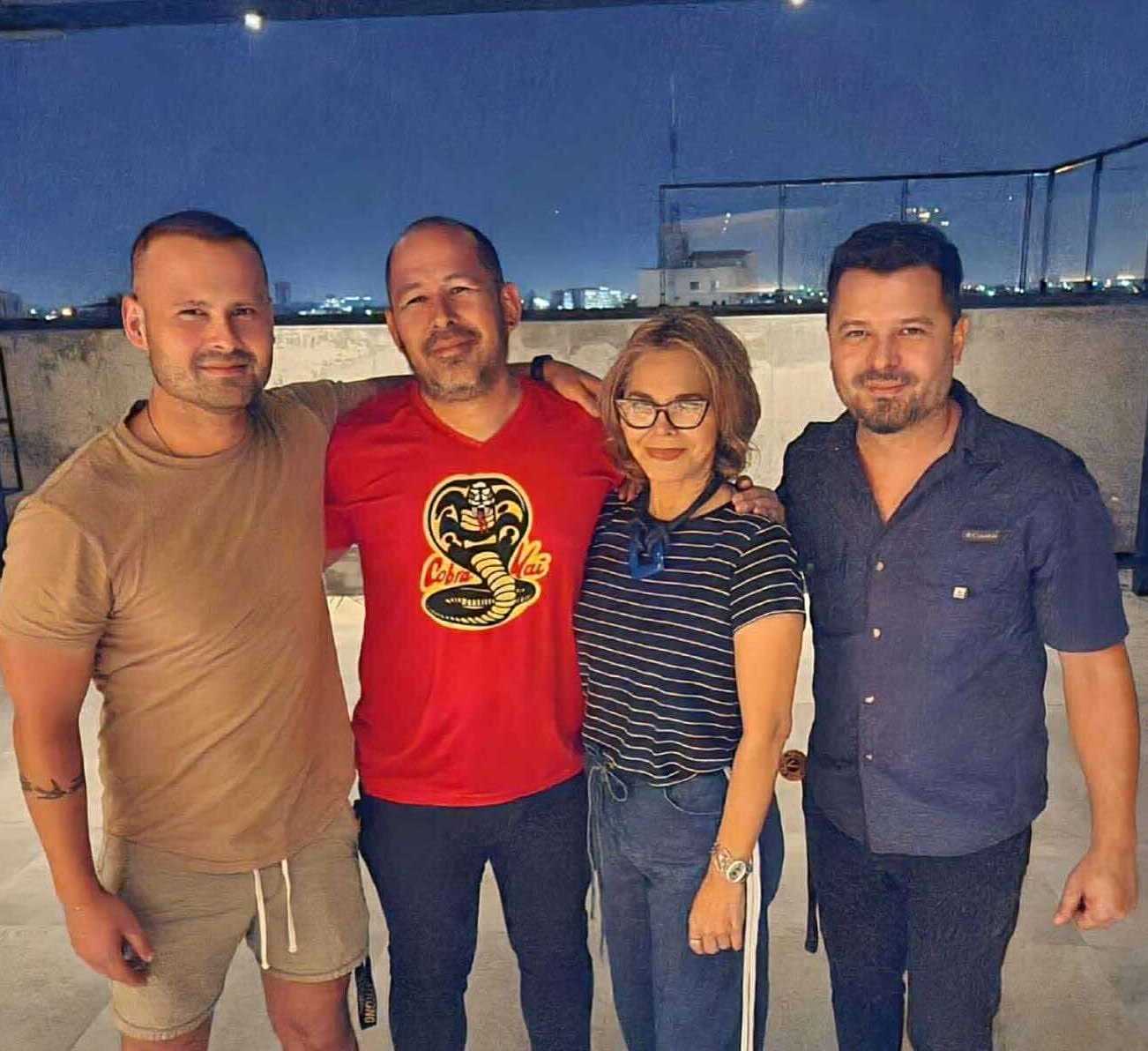
Under the South American heat, I sip on the finest Bolivian coffee, and I find myself spending hours with long time friends reminiscing in that old world we love to dip in and out of, and hours with my family just planning some sort of vague future in the new world that constantly agglutinates.


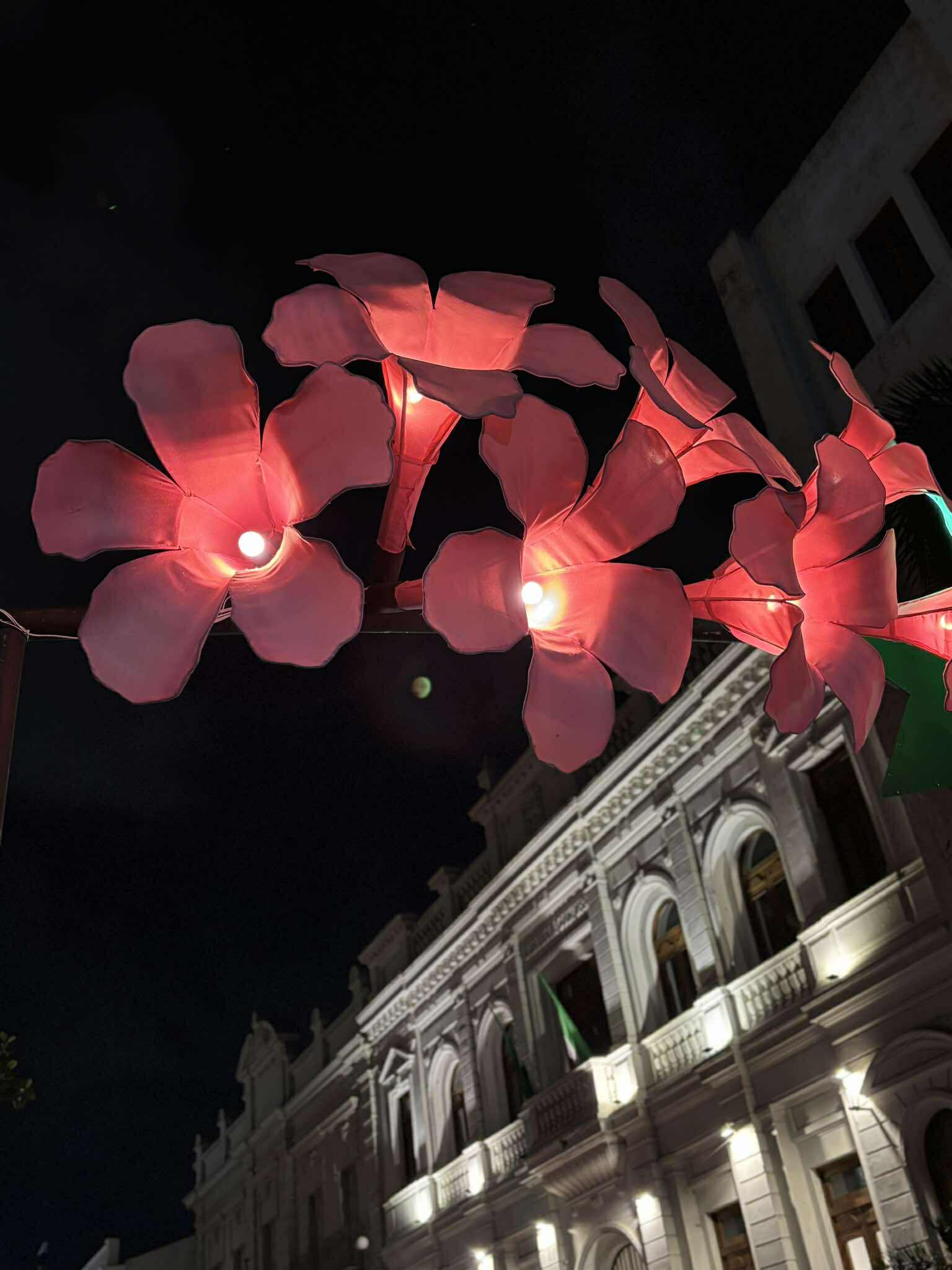

The medical diagnoses prove successful, and a recovery is imminent. Dulce de leche ice cream for the win is declared in the afternoon, just before the sun sets over the distant Andes like a giant apricot floating in vanilla custard.
A big storm marinates the tropical night in petrichor scents and inundates the long flat avenues. My flight departs amidst a thunderstorm in which I cling onto my seat and accept my fate. If the flimsy Boeing 737 falls, I have said my goodbyes. I visited, I delivered, I fulfilled.
Over the wide valley of Alajuela, the terrain below breathes bounty aromas of freshly ripe fruit. In Escazu, in the house with the colourful tiles and adobe walls, gallo pinto with coffee to enthral again in the game of travelling.
Thirteen years later and still as enjoyable: the local markets selling electric-green chayote amidst smoky clouds of freshly made Salvadorean pupusas, and my newly discovered addiction to sour sop, here melodically called guanabana.

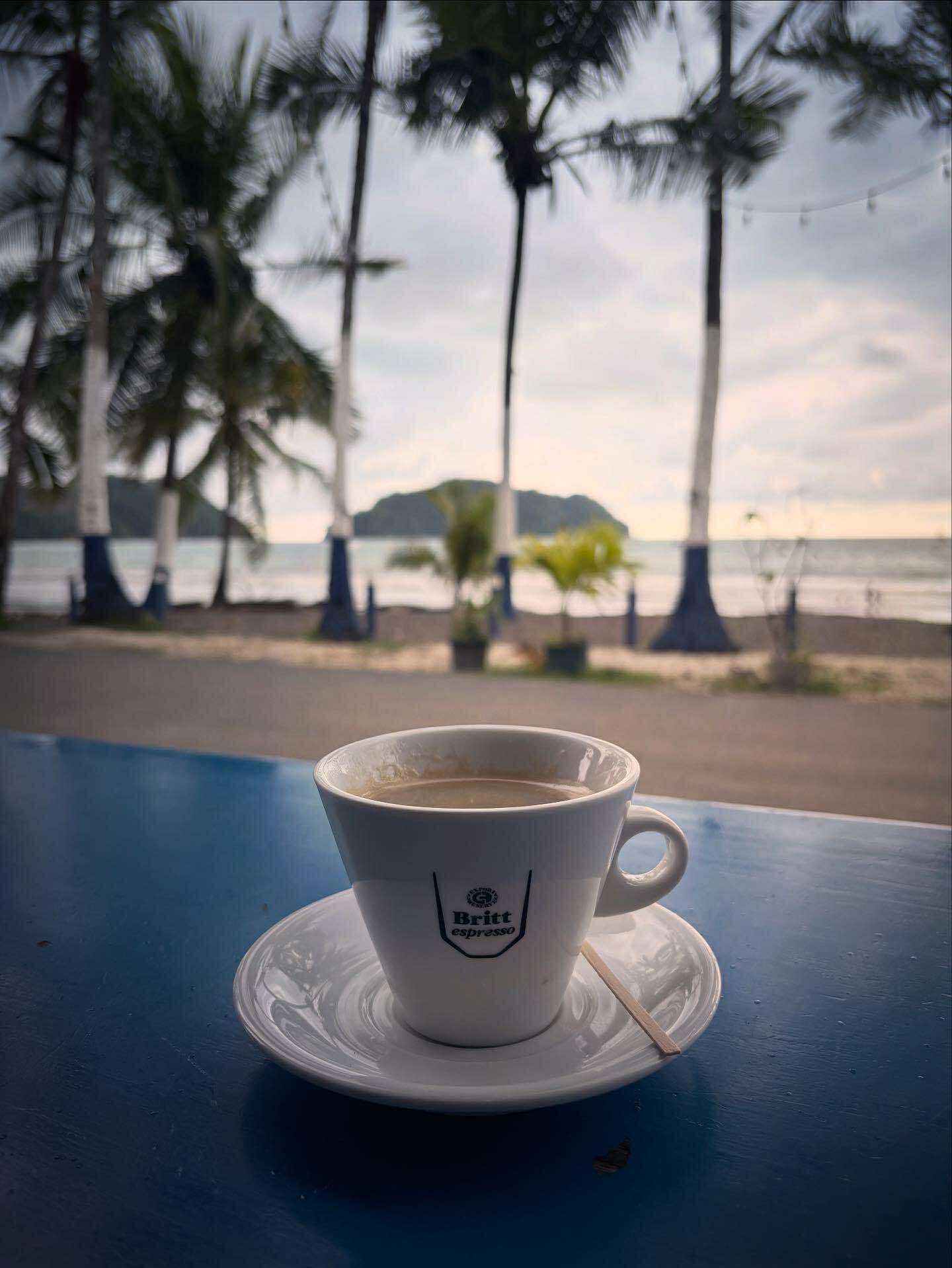
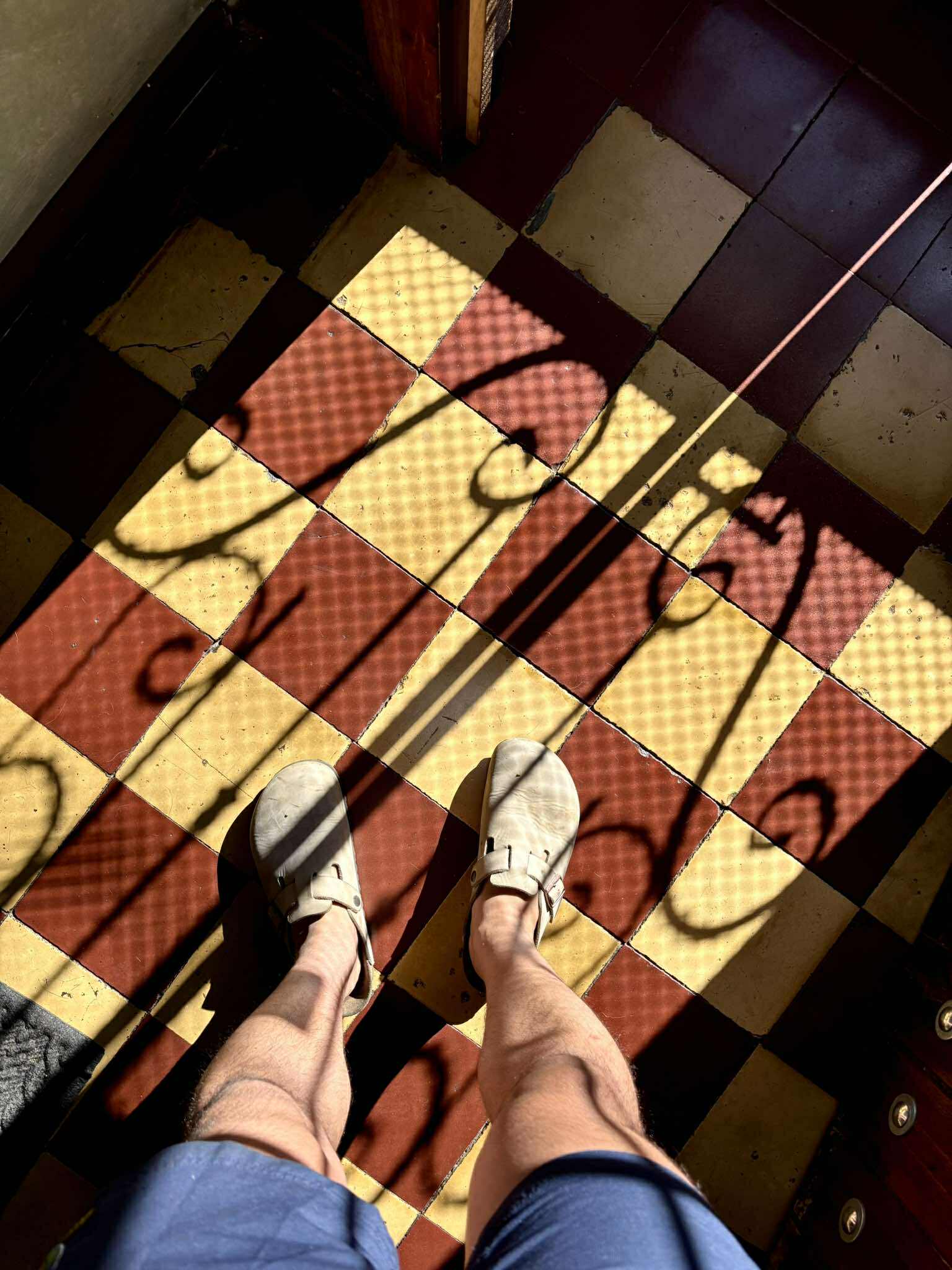
An evening rain is constant in Costa Rica in the autumn, casting a damned veil of fog over the capital after sunset. I dine with an old time friend at the sound of distant thunder, and our catch ups become heated conversations about colliding worlds over copious amounts of Costa Rican coffee in the balcony.
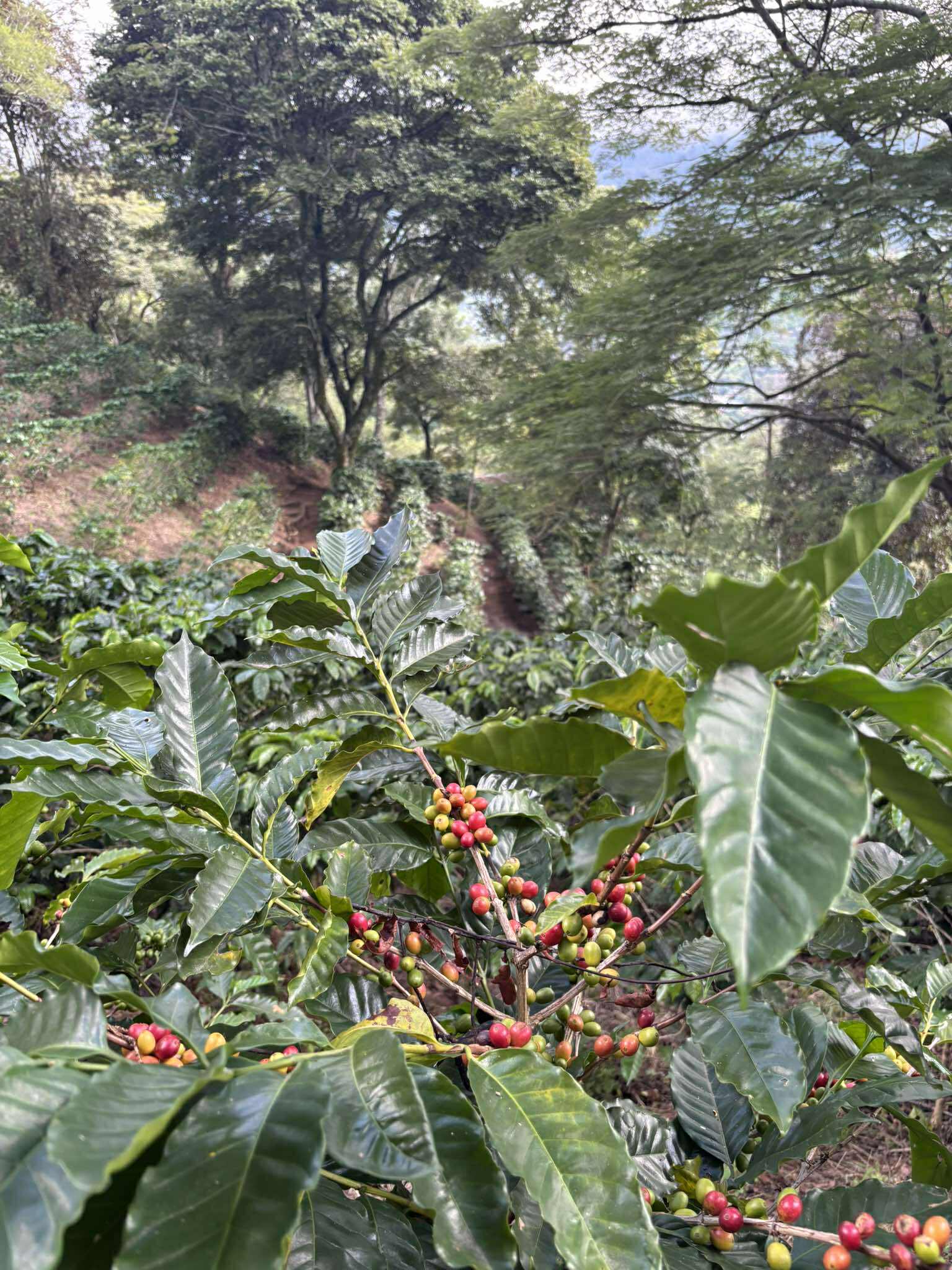
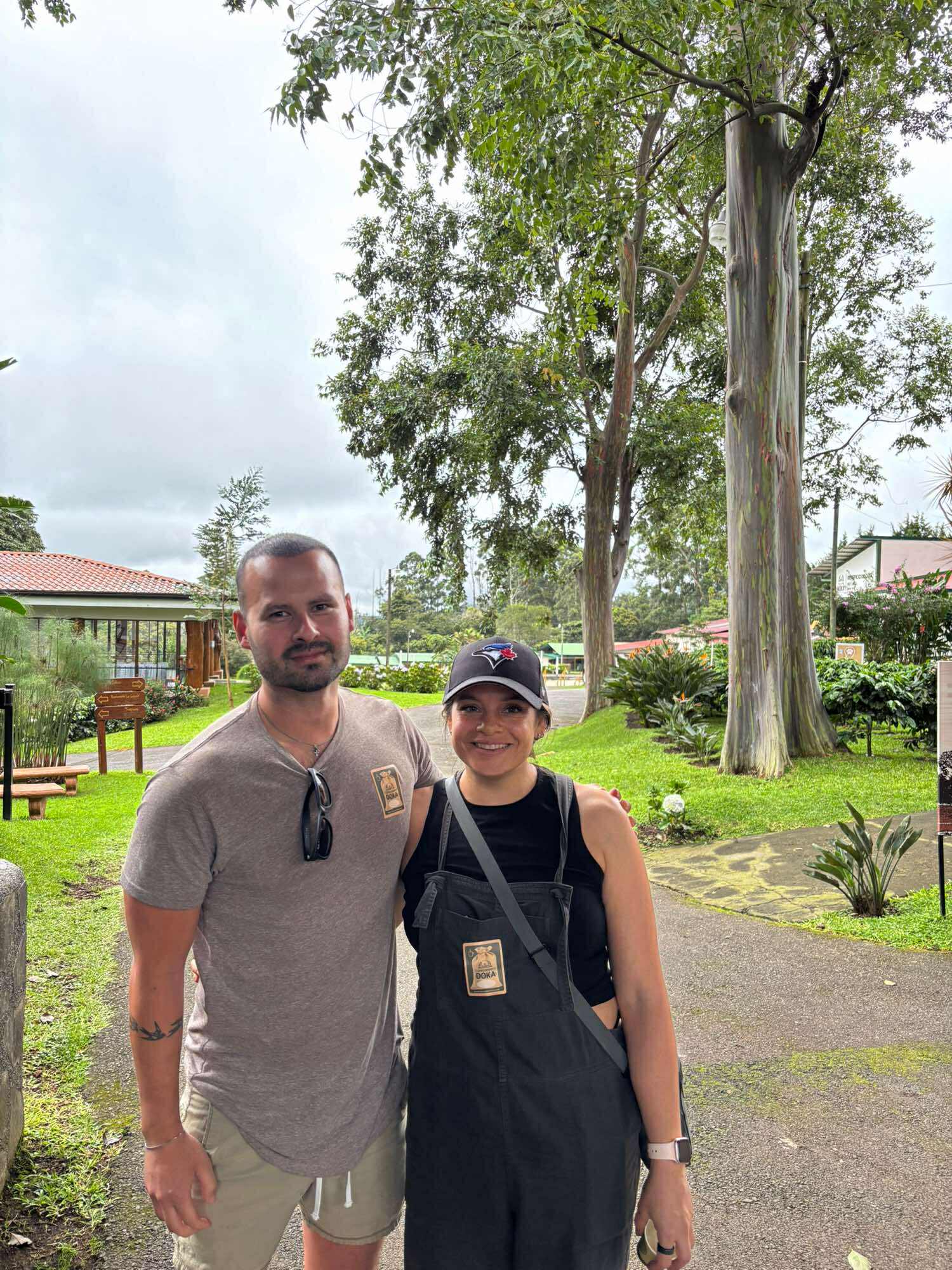
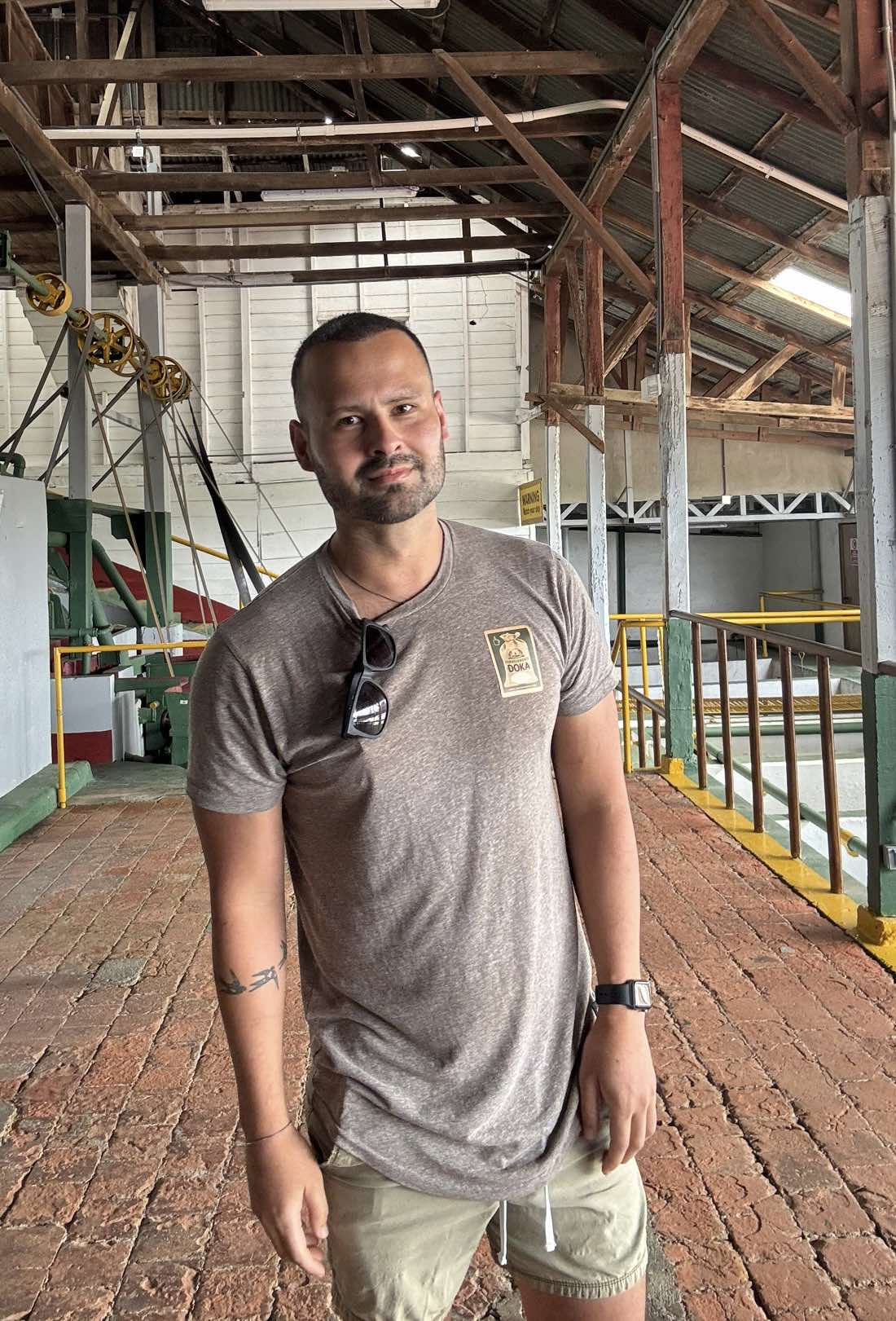
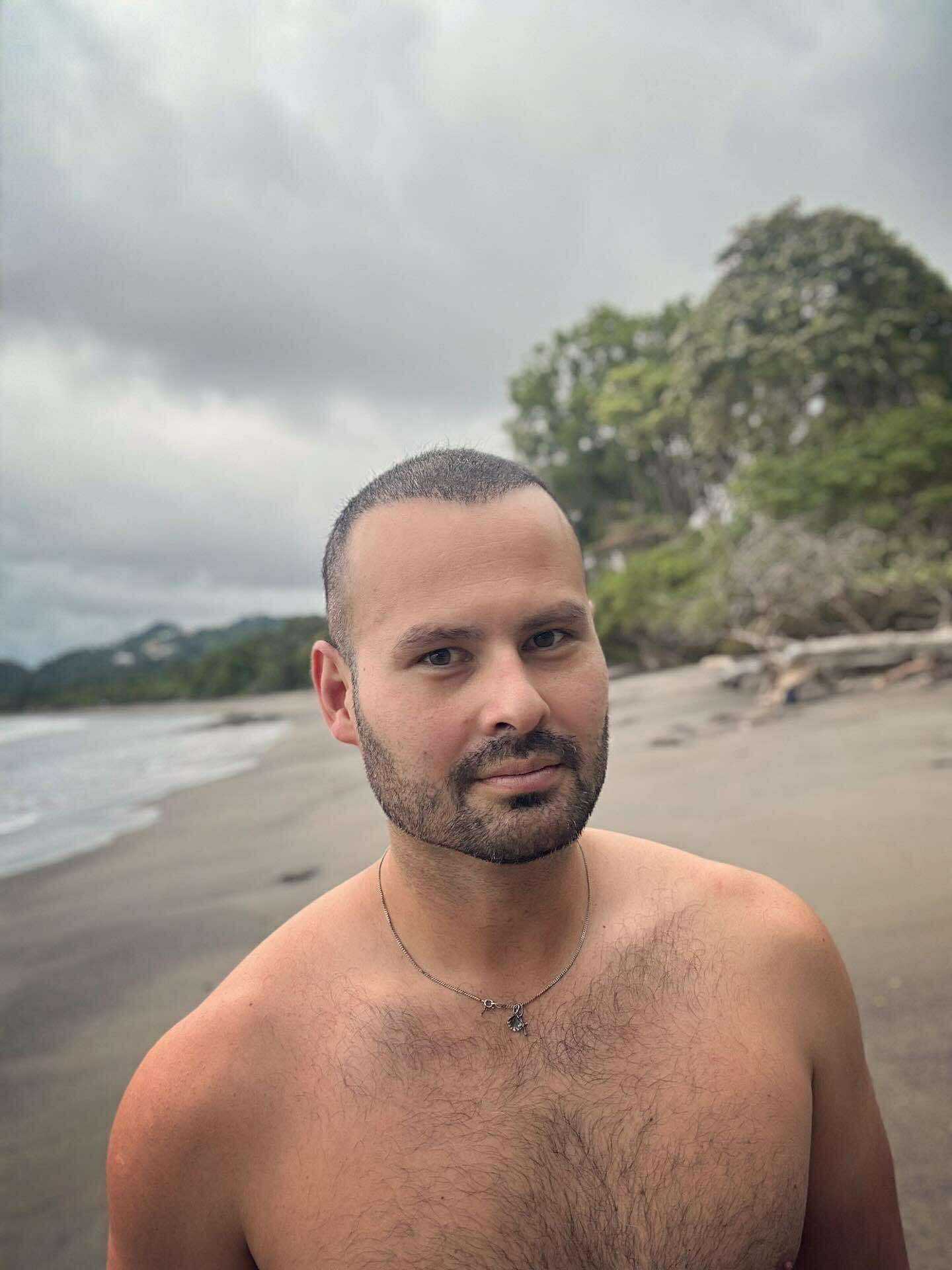
I catch a three-hours bus to the coast, remembering that timetables are not a thing in this part of the world and that patience must prevail in the heat. In La Herradura, the foamy waves decorate the black volcanic sand in ripples of salty chantilly on a Friday, and on a Saturday, in the Hacienda Doka, the magnified exuberance of the Central American hills hugs the coffee plantations in intoxicatingly sweet humidity.
It is another red-eye from San Jose to Paris, and on to Dublin. It is later a run to catch the last midnight bus to my town, and a walk in the late crisp night of the Irish countryside. I open the door and Neko jumps on me.
I smile at the thought of my two worlds, the ones that navigate together and, the ones that when colliding, I am grateful to have the blessing to visit in sync.
Past and present, I am home either way.
 THE FLYING CAMBA