
The morning sky is clear over Kimberley and bumpy around Johannesburg. It takes three long queues to make it to the boarding gate of one of the strangest flights I have taken, stuck in between a limbo of goodbyes and welcomes across both sides of the South Atlantic.
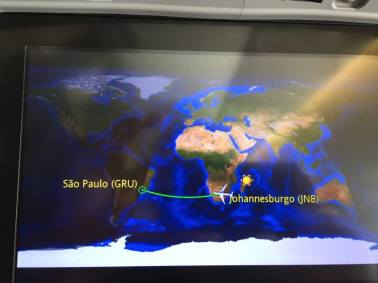
The LATAM flight lifts off from the hot and high runway at O.R. Tambo and lunch is served over the Skeleton Coast in Namibia. I can feel my mind leaving the African continent as fast as the aircraft dips into a void of blue ocean and white cotton candy clouds, for the next nine hours, battling a headache in between comedies, naps and airplane food.
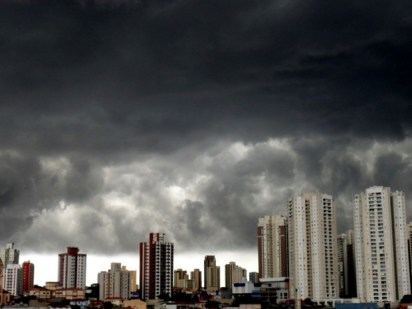
Despite over a decade living a life scattered overseas, the approach into the Brazilian Atlantic seaboard just North of Rio de Janeiro always sends chills across my body. The anticipation of the end to years of absence and the geographical closeness of my family playing with my reflexes like a child overloading with sugar in a candy store. Summer thunderstorms engulf both runways at Guarulhos International Airport, turning the bus ride into the largest city in South America into a test of patience and endurance, the way it has always been.
Sao Paulo always makes me wonder. Wonder about the four years spent in the city jolting across the metro stations of the Red Line, the constant rush of people sheltering from the warm summer rain around me. Wonder about my young years of innocent dating, constant PDAs, student life and money struggles. Most importantly, wonder about the happiness once had with less. It feels like the odd time I visit the city, I walk into a huge shopping centre of life, standing in front of numerous window vitrines, each one of them showing me one particular stage of life. I glance at them from the distance, sheltered by a large glass, only able to stare and pick what I deem best to and close chapters that once remained open.
Once I arrive into the traffic-riddled neighbourhood of Tatuape, I rush through musty pedestrian tunnels and escalators to the metro station, the smell of damp turf now penetrating through my nostrils and overloading my head with memories. Power shuts down at Belem and a general chuckle is heard across the idle carriage. A daily occurrence amidst the summer weather and a daily inside joke in the life of the ‘Paulistanos’, oozing pride through the many flaws of the metropolis they treasure as their home.
At Marechal Deodoro metro station, I walk up the street in a nervous deja vu, and my heart races at the quick beat of my flipflop squelching over the puddles of warm water as I reach Higienopolis, the place I once called home.
The Jewish still sport their hats and carry Torahs to the nearby synagogue, and the old ‘all-you-can-eat’ pizza joint has been replaced by an upmarket restaurant. The bakery where I once indulged on ‘cheese bread’ prepares to close for the day, and a smart-looking convenience shops sells goods where once a pound shop sold knock out goods in heavy discounts.
I spend hours catching up with a friend under the fairy lights of the luxurious Shopping Higienopolis, which today is covered in a lush arrangement of Christmas lights that transport me back to ten years ago. We sit on one of the hard melamine tables placed across the atrium, the cinema in the early evening flooding the floor with the smell of freshly made popcorn. I indulge in the sweetness of a cold acai berry blended with banana bowl, before fighting a trance of nostalgia from the smell of the nearby candle shop.
Exhausted and slightly ill, I return to the hotel and open the balcony door while the fresh summer wind lulls me good night in between memories of a summer in Brazil. In the morning, I wake up just minutes after sunrise, my bare feet climbing over the balcony guardrail for a view of the building I once lived in protruding in the distance, its pale yellow walls resting against a thick layer of fog at a time in which I imagine my once neighbours indulging in a Saturday morning sleep. Oh Sao Paulo, I always loved to hate you.
On my way to the airport, I grow restless. A two-year absence casting shadows of anxiety over my mind. Two years of changes on both sides of the Atlantic, two years of conquests and losses, of conversations through Whatsapp and explosions of memes. Ironically, the absence that I always long to overcome is also the one I now dread to face.
I try to distract myself with a coffee at the boarding gate and onboard wifi on the plane before take off. The aircraft departs Guarulhos and perform the traditional U-shaped climb over the Southern suburbs of Sao Paulo before lining its nose West towards the fertile coffee crops of the hinterland between the city and the hostile Pantanal, entering the Bolivian border just before midday. Upon landing, the windows immediately fog and the arrival formalities seem to flash in front of me. My steps grow brisk and an agent asks me if I have anything to declare. I can feel my voice trembling and my legs walking across the terminal in an awkward tempo.
I see them. I smile, they smile. I rush, they rush. I hug and squeeze, an electric shock yanking deep sighs out of my lungs and tears out of my eyes, for whether it’s two years or two weeks, the stares, the hugs and the handshakes will always have the same importance. For now we are all complete and family will always be family.
For the next two weeks, my life takes a slower pace surrounded by the familiar faces of past and present, inviting me to reflect on the future. Days under an average mean temperature of thirty-four degrees Celsius and a constant line of sweat across my forehead interrupted by a trip to the tropical heart of the country and a day filled with adventure activities across villages of houses built in mud walls, whitewashed with the tints of cheap paint and strong political support. The Chapare, as the region is called, is the stronghold of President Morales, the wide plastic rugs extending across the front porch of most houses along the route, the coca leaves drying against the tropical sunshine in a tapestry of doubtful thoughts about its future use.
At the very foot of the Andes, we are separated into groups of eight and lifejackets on, it is time for some downstream rapids fun.
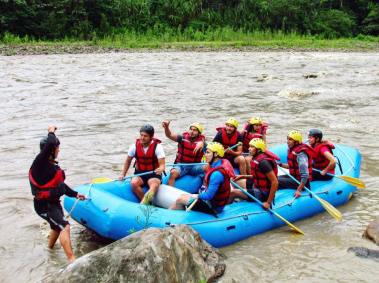
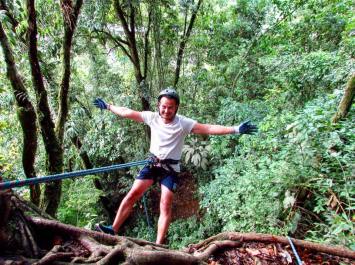
It is a ‘Type-3 Rapids’ ride down the Espiritu Santo River. The murky ripples hit us from the sides, and three-feet waves hit the rubber boat at the bow, guaranteeing a half-flip of pure adrenaline. Abseiling down a rock wall covered in musty grass roots tests the legs after lunch and a twenty-feet canopy line over a still lake tests the stomach. When returning to the city, the fields of coca leaves disappear in the dark humid night and the poor villages scattered around the national road vibrate at the sound of salsa played across large loudspeakers, the villagers enjoying a Sunday night gulping on traditionally fermented chicha and fried pork.
For the next days, I am tossed around the city like a doll. From dinners to lunches, to tea times of exaggeratedly large portions served in small tables, the South American hospitality once again reflected in the warmth of comfort food and the countless hours of chit chat. Day after day, I find the urban landscape changing perceptions of my last visit to this place and the filter of disdain that once surrounded my eyes falls off and vanishes along the avenues of heavy traffic that now follow a state of organised mess, complex to the foreign eye and completely familiar to the locals.
When the heat declares truce, the late afternoons are of cups of robust black coffee, a roasted flavour unique to these latitudes. I sacrifice solitude for company and healthy eating for treats. I let go and stop writing as the fresh mountain air descends across the hot plain before the night falls. I reflect on the fleeting nature of the moment and relish on the conquest recently achieved, closing chapters that need to be closed as I prepare myself for new ones.
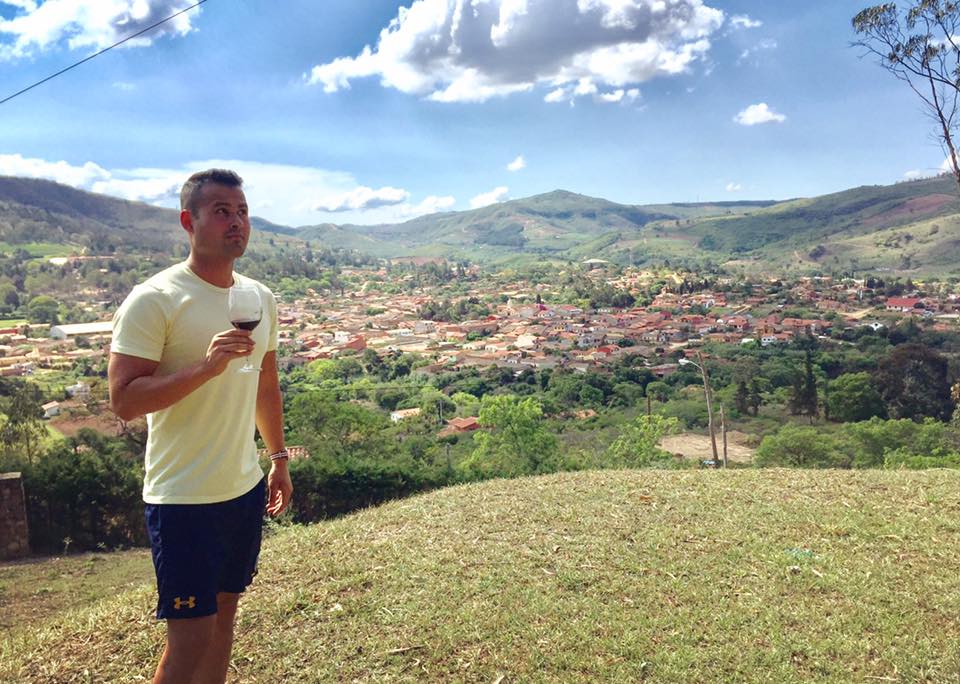
A must-go on each visit and glass of the best Bolivian tannat in hands, I gaze at the lights of Samaipata floating against the dark Andean valleys, the emptiness of the largest mountain range in the world freezing the time against the indecipherably beauty of a chat with my parents.


Roadblocks are announced over the radio and cut our trip to the mountains short. We descend to the city around midnight and cancel any overland trips for the rest of my stay in the country. I find cheap local flights online and before I know it, my mother, stepdad and I bypass the Socialism-fuelled convulsion by air, emerging from the pockets of fog at Alcantari Airport in the cold mountain morning the next day.
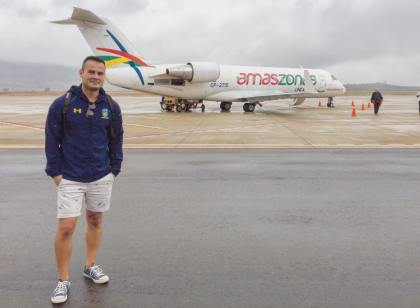
-‘You can’t fight genes’ my mother wisely says while we taxi down to the city. A thirty-six hour trip filled with activities from the moment we land, the same way I have done it for years.
A high-altitude sickness fight over lunch, a walk through time in the colonial streets of Sucre, a history lesson in the pristine fields of its main cemetery, and a light dinner in the Alliance Francaise. A morning at the largest dinosaur footprint collection in the world and a typical lunch at my stepdad’s favourite restaurant before an afternoon of coffee by the main square extending our arms to the thin air and clear skies. We made it.


My last days are of formal goodbyes. The meetings might grow heavier as the departure day creeps, yet I grow more thankful as this happens. Grateful with life for having made it in one piece, for the opportunity of fulfilling a long-awaited dream in the most perfect way possible and grateful with the people I celebrated with, from the moment I stepped down the aircraft in Dubrovnik, to the moment my parents park the car at the airport, minutes before waving me goodbye.
Absence is a trade off of the life I chose, yet it seems to be the fuel of my success. I promise shorter periods of absence and swear for more regular visits. I hug my family before my heart automatically pounds and sinks at the smell of my mother’s perfume exuding from the most heartfelt hug in the world.
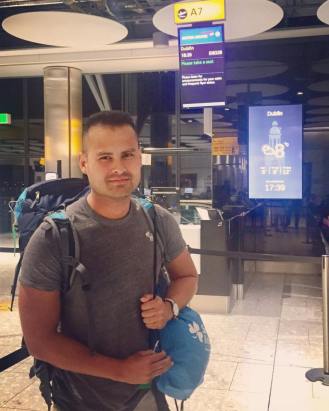
The plane leaves the hot plain and lands in Sao Paulo three hours later. I fight sadness at the company of a long time friend that has now moved to the city and, amongst the many hours of canned departure and arrival announcements, we munch on cheese bread and coffee before I check in for the last long flight of this trip.
I cross the Atlantic overnight in the worst Economy class seat I could have been assigned to and, despite the lack of fanfare or even sunshine, I land in London Heathrow the next afternoon with an awkwardly drawn smile on my face, three hours later landing in the cold windy plains of Collinstown.
– ‘Where are you coming from today?’ Asks the agent while scanning my passport.
– ‘Everywhere. Do you have a couple of hours?’
– Welcome home’. He returns my passport and smiles.
I take the bus across a city now inward-looking towards Monday morning and, at home, in the cold night of the winter, the waves of the Irish Sea crash against the rocks at the same pace as thoughts of this trip reverberate within my head. The journey of a lifetime completed, the giant loop of events now closed in the comfort of my living room in Sandycove.
 THE FLYING CAMBA
😥
LikeLike